Tokyo
Tokyo Bangkok
 Seoul
Seoul Singapore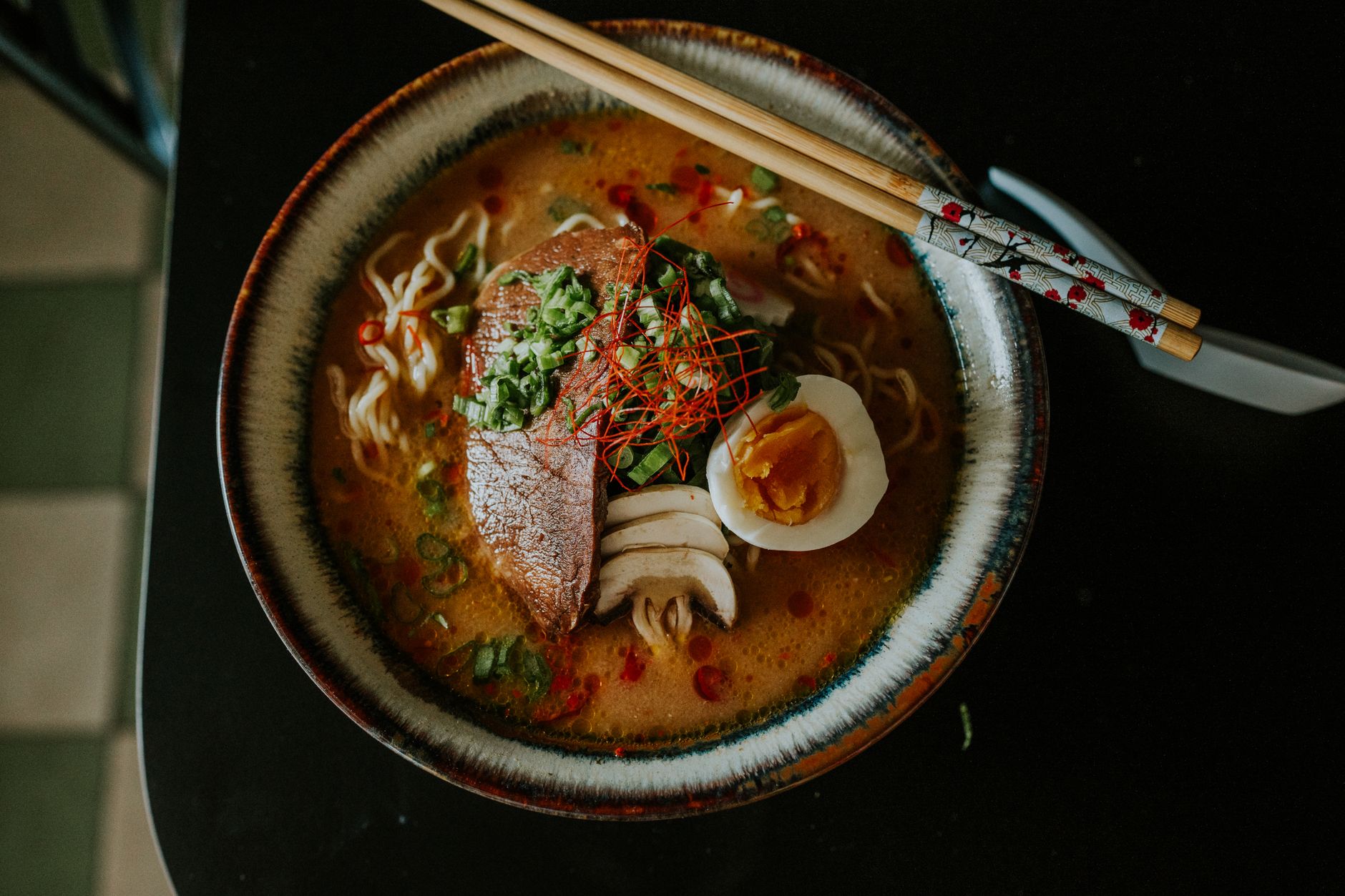
Spicy Tan Tan Ramen Recipe: Authentic Japanese Method
In Nagano, tan tan ramen isn’t fancy—it’s Tuesday night fuel. That spicy sesame broth, chewy noodles, and crumbled meat? Pure comfort. No flashy presentation here. Just a bowl that warms you up fast, the way regular people actually eat it.
Getting the Sesame Broth Right
The broth makes this ramen different. Start with Chinese sesame paste (goma)—tahini won’t cut it. Toast 150g white sesame seeds until they smell nutty (3-4 minutes), then grind them to a paste. Takes time. Don’t skip it. Mix with 2 tbsp doubanjiang for that signature kick.
Use 1.2L chicken or pork stock—decent quality, but no need to obsess. Heat it up, then whisk in your sesame paste slowly so it blends smooth. Add 2 tbsp soy sauce, 1 tbsp mirin, 1 tsp salt. It’ll taste too salty alone; that’s fine. Simmer 10 minutes. Nagano cooks nail this through practice, not overcomplicating things.
Meat That Actually Matters
This isn’t just garnish. Brown 300g ground pork in 2 tbsp sesame oil, breaking it up as it cooks—you want texture. Toss in 3 minced garlic cloves, 1 tbsp ginger, 1-2 crushed dried chilies. Let it sizzle for 2 minutes until your kitchen smells amazing.
Deglaze with 100ml broth, then add 1 tbsp soy sauce and 1 tsp sugar. Simmer 5 minutes. The meat should cling to the sauce, not drown in it. Keep it warm. Pro tip: cooking the meat separately from the broth? Big mistake. They need to mingle.
Putting It All Together
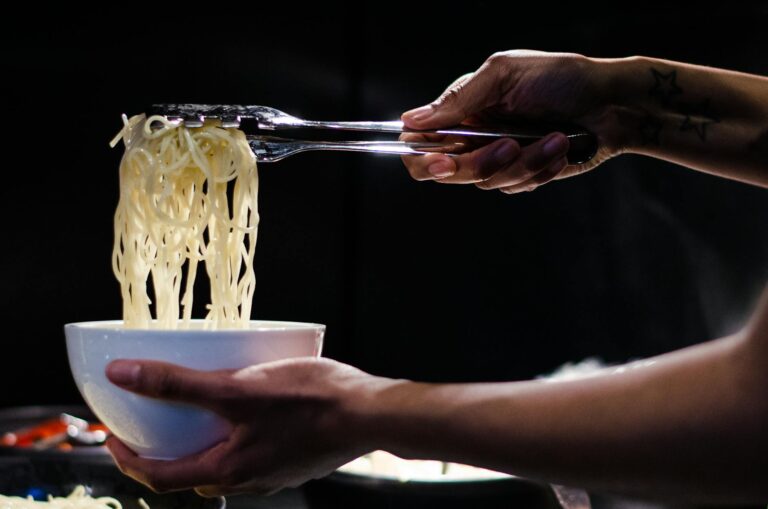
Fresh ramen noodles are ideal (look for “tan tan” or “miso” labeled ones), but good dried ones work too. Boil 3-4 minutes—don’t turn them to mush. Drain and split between bowls.
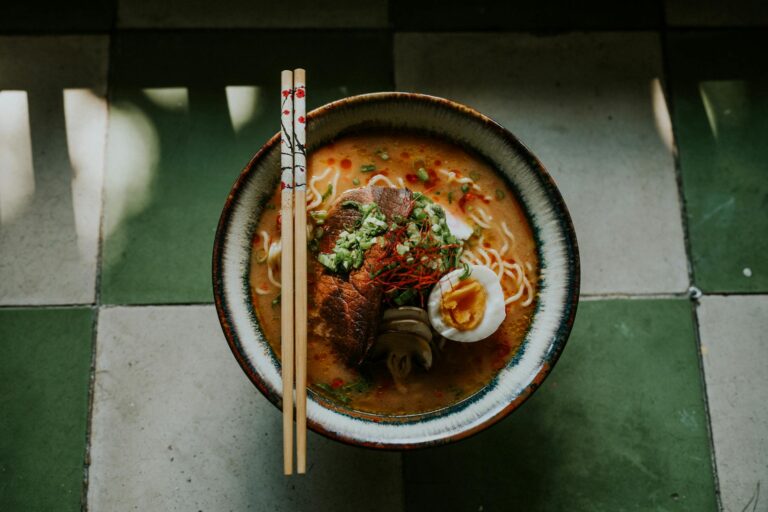
Pour hot broth over the noodles, then heap on the meat. Finish with chili oil, chopped scallions, sesame seeds, and pickled mustard greens if you’ve got them. Egg optional. Done in 5 minutes flat. Eat it immediately, before the noodles soften. That’s the real deal—no fuss, just flavor.