Tokyo
Tokyo Bangkok
 Seoul
Seoul Singapore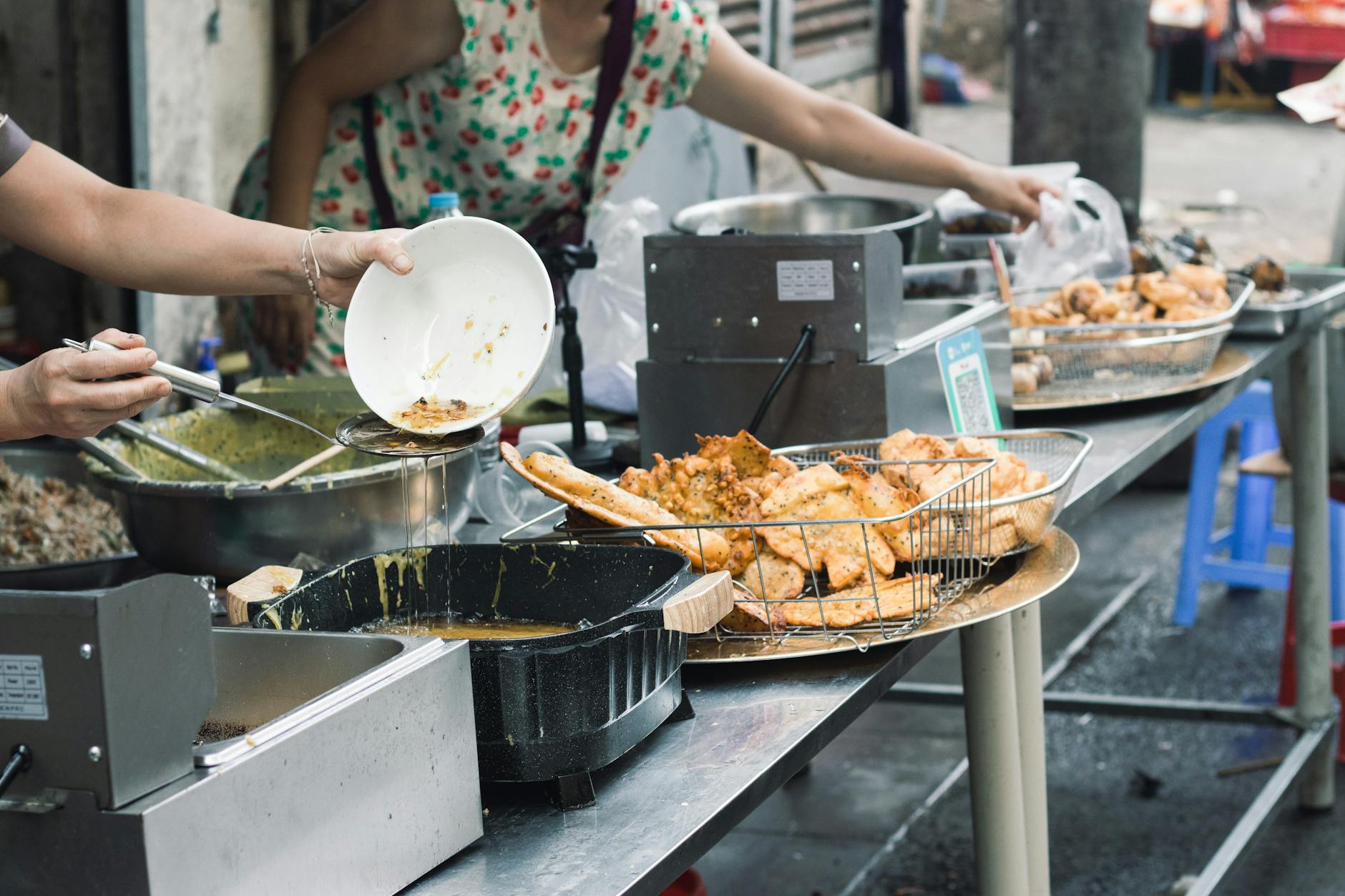
Singapore Street Food by Neighborhood: Where to Actually Eat
Singapore’s street food doesn’t need hype—it’s already legendary. Skip the Instagram spots. The real magic happens in hawker centers, where $3 chicken rice puts fancy restaurants to shame. This guide tells you where to go.
Tiong Bahru: No Gimmicks, Just Good Food
Tiong Bahru hawker center is where locals eat, not pose. Stalls here have decades of muscle memory—every dish is dialed in. The laksa? Coconut milk and spice in perfect harmony, with broth that tastes like it simmered all night. A bad version tastes like curry-flavored dishwater.
Head to Blk 25 Tiong Bahru Road. Look for the laksa stall with the woman in a red apron. No name, no fuss. Grab chicken rice next door. Total: under $4. The chicken is tender, not rubbery. The rice swims in chicken fat. Simple. Perfect.
Geylang: Unfiltered and Unbothered
Geylang doesn’t do pretty. It’s where night-shift workers and neighbors crush late-night meals. The food is bold, no-nonsense, and absolutely delicious.
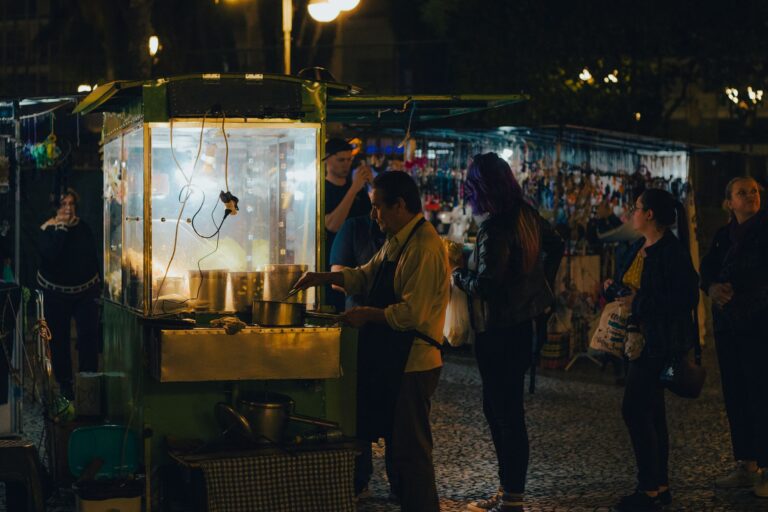
Hit Geylang Lorong 9 for satay. Find the cart with the grill that’s seen a thousand skewers. The meat sings with galangal and turmeric. Peanut sauce gets ground fresh daily. Eat it messy, standing up. Across the street, rojak comes piled with crispy bits drenched in tangy, spicy mystery sauce. That’s the charm.
Chinatown: Wonton Noodles Done Right
Chinatown has endless options, but only a few wonton noodle stalls nail it. The difference? Springy noodles and wontons packed with shrimp, not filler.
Tai Tien Noodles at Blk 50 Smith Street is the move. House-made wrappers. Noodles with just enough chew. Char siu on the side. Clear, porky broth that took hours to make. All for $4. The cook’s been at it since the ’90s.
The Reality Check: Hawkers Play by Their Own Rules
Hawker stalls operate on their own clocks. Some sell out by lunch. Others open at dusk. Random closures happen. Roll with it—that’s part of the deal.
These places are loud, chaotic, and zero percent Instagrammable. No frills. Just incredible food. Show up hungry, point at what looks good, and squeeze into a plastic chair. That’s how it’s done.
Try this: Tomorrow at noon, hit Tiong Bahru. Get laksa and chicken rice. Spend $4. Eat shoulder-to-shoulder with locals. That’s the real Singapore. The rest is just postcards.