Tokyo
Tokyo Bangkok
 Seoul
Seoul Singapore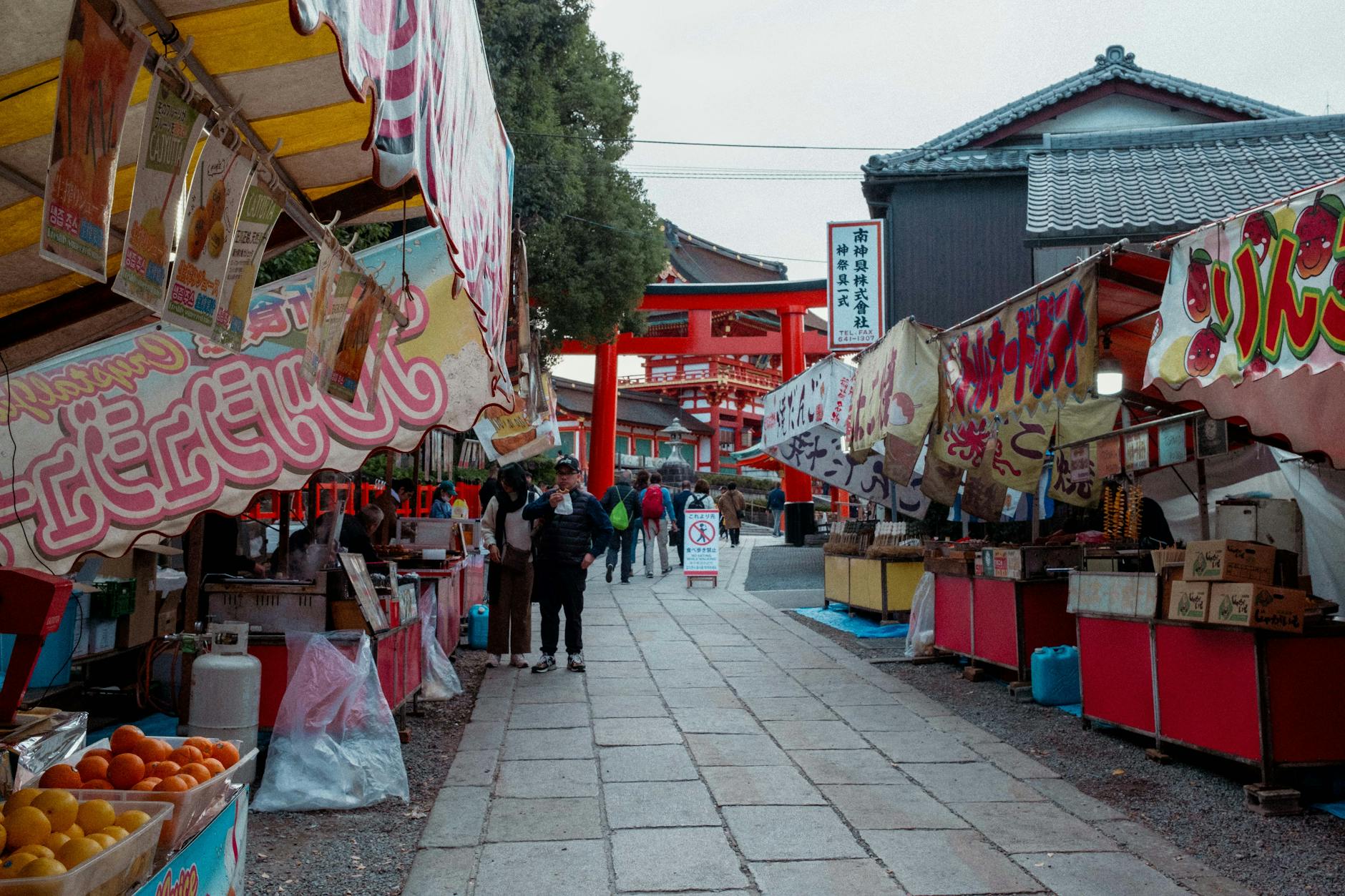
Osaka Food Guide: Dotonbori to Kuromon Market
A woman in a white apron works the takoyaki counter at 6 a.m., flipping brass molds with muscle memory. Steam rises. She doesn’t glance up. Behind her, Dotonbori’s neon still glows, but Osaka’s real breakfast service has begun. This city doesn’t do food as performance—it’s about eating well, constantly, without fanfare.
Osaka earned its “kuidaore” nickname because food culture here isn’t precious. It’s about quantity, accessibility, and the radical idea that good eating shouldn’t cost much. That hasn’t changed.
Okonomiyaki and Takoyaki Define Osaka’s Street Food Identity
Okonomiyaki exists elsewhere, but Osaka’s version plays by different rules. Here, everything gets mixed into the batter—no layering like Hiroshima. The result? Faster, messier, better. A proper one crackles at the edges while staying creamy inside, with enough sauce to require napkins. Bad ones taste like wet cardboard.
Takoyaki may be Osaka’s famous export, but locals treat them as snacks, not meals. Quality checks: Is the octopus chunk visible? Does the exterior have actual char? Most importantly—does molten filling burn your tongue? Lukewarm takoyaki should be illegal.
Dotonbori and Kuromon: Two Markets, Two Different Osaka Experiences
Dotonbori is all neon and noise. Giant crab signs. Vendors shouting. Tourists gawking. Yet locals still come because somehow, miraculously, the food stays good and prices stay reasonable. Hit Kiji first—order their pork-and-shrimp okonomiyaki, watch the chef work the griddle. Then Takoyaki Musashi for balls that stay hot longer thanks to smaller size.
Kuromon Market operates on another frequency. No neon here, just 190 stalls moving seafood, produce, bento boxes. Few tourists. Lower prices. Vendors recognize regulars. You can stand at a counter eating ¥800 sashimi or grab fruit for later. Arrive early—by mid-afternoon, the place empties. Try Mizuki’s okonomiyaki or any seafood bowl. Dotonbori shows Osaka to visitors; Kuromon feeds Osaka itself.
The Honest Truth: Osaka Eats Cheap Because It Refuses Not To
Food writers drone on about tradition. Reality’s simpler: Osaka eats well because workers demanded it. Street food emerged from necessity—quick, affordable fuel between shifts. That ethos stuck. Ramen: ¥700. Okonomiyaki: ¥800. Takoyaki: ¥500. Prices barely budge because vendors know their customers will walk away. Competition never stops. Quality can’t slip.
Result? No “bad” food neighborhoods here. Shinchi, Namba, Taisho—all deliver. The only question is what you want, not whether it’s worth eating.
Before leaving, find an okonomiyaki counter where salarymen eat breakfast at dawn. Not the famous spot. Not the Instagram one. The place where no one takes photos. That’s where you’ll understand Osaka’s real magic.