Tokyo
Tokyo Bangkok
 Seoul
Seoul Singapore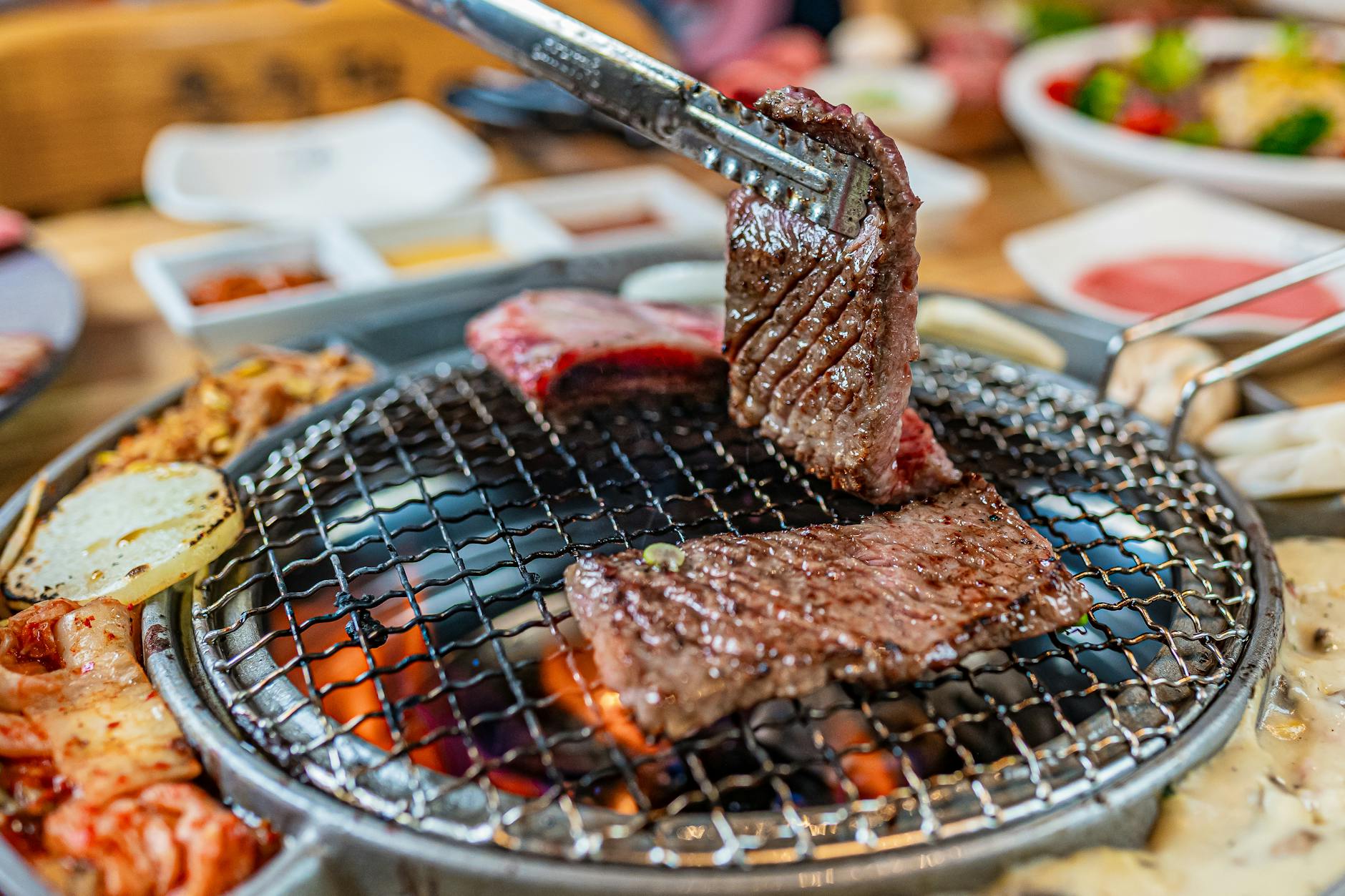
Korean BBQ vs Japanese Yakiniku: Which Grill Wins?
The first thing you notice at a Seoul pojangmacha is the smell—charcoal smoke tangled with sizzling beef, sesame oil, and enough garlic to taste before the first bite. Across the street, a Japanese yakiniku-ya hums quietly, the air cleaner but no less tempting, carrying whispers of soy and the crisp scent of meat hitting a hot grill. Two ways to grill meat, side by side, worlds apart once you pick up your chopsticks.
The Meat Matters: Cuts, Marinades, and Philosophy
Korean BBQ means meat that arrives pre-marinated. Walk into any Seoul spot in Gangnam or Hongdae and your table gets piled with bulgogi or galbi already glazed in that signature mix—soy sauce, sesame oil, pear juice, garlic, sugar working overtime to tenderize. The marinade isn’t just flavor; it’s the whole point. You’re eating meat transformed before it even touches the grill, meant to caramelize into something sticky-sweet.
Japanese yakiniku flips the script. In Tokyo’s Shibuya or Osaka’s Dotonbori, they serve pristine cuts—wagyu, short ribs, tongue, offal—completely bare. No marinade, no fuss. The idea is simple: let good meat be good meat. You grill it fast, maybe dip it in tare sauce or sprinkle salt, then eat it right away. This isn’t about sauce magic. It’s about trusting the beef.
The Grill Setup: Charcoal vs. Gas, Communal vs. Controlled
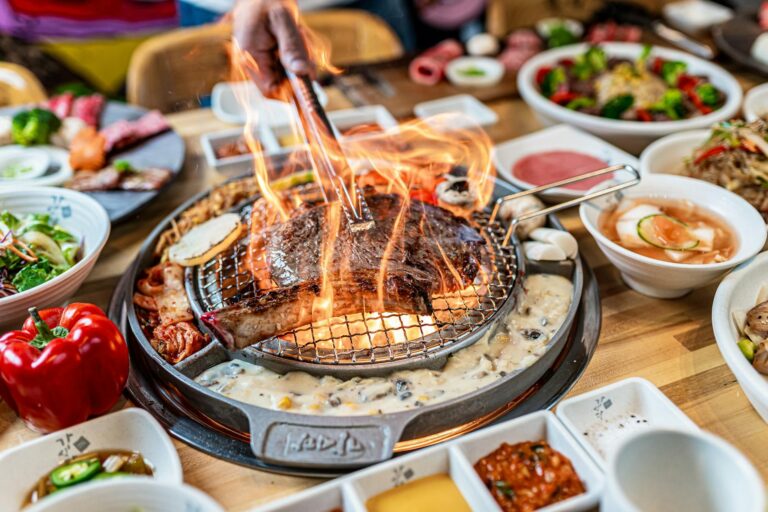
Korean BBQ runs on charcoal grills built into the table, often with a metal hood to trap smoke. The heat’s unpredictable—you’re juggling flames, shifting meat around, maybe burning a finger or two. It’s loud, messy, communal. Strangers share grill space, passing tongs like batons. The charcoal flavors everything, and the smoke sticks to your clothes. This is eating as a contact sport.
Japanese yakiniku prefers gas or electric grills, sometimes flat tops instead of grates. Precise heat control. No charcoal battles here—just steady technique. The grill surface is usually non-stick or well-seasoned, letting you nail perfect doneness every time. Want wagyu medium-rare? Forty-five seconds per side does it. The vibe is calm, focused, almost surgical compared to Korea’s joyful chaos.
The Ritual: Speed Eating vs. Deliberate Consumption
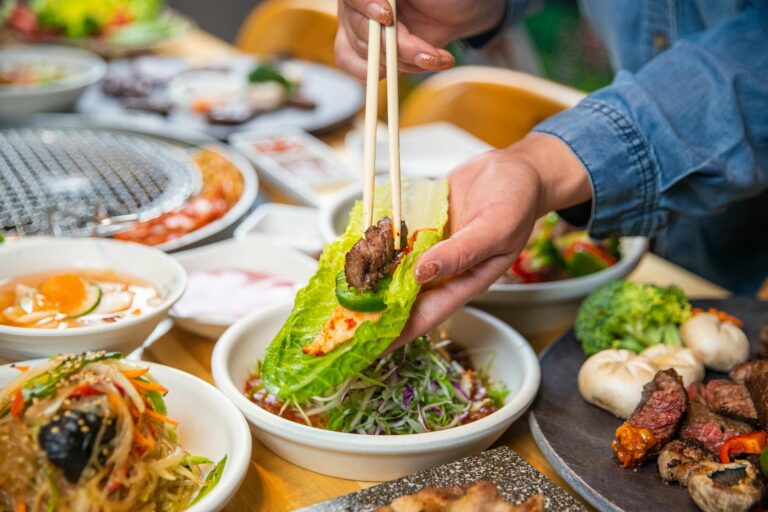
Seoul’s Korean BBQ moves fast. You grill multiple pieces at once, wrap them in lettuce with ssamjang paste, pickled veggies, and garlic, then shove them in your mouth. It’s about volume, variety, and that crunch from the lettuce wrap—something yakiniku rarely bothers with. Constant motion: grill, wrap, eat, repeat. Meals are loud, fast-paced, built for groups.
Yakiniku takes its time. Grill a couple pieces, eat them, pause. Sip beer. Talk about the meat. A server might suggest cuts based on how your meal’s unfolding. You’re tasting each bite individually, not building flavor bombs. It’s less feast, more curated experience—like beef omakase.
Here’s the deal: Korean BBQ is for when you’re hungry and want to feast with friends. Yakiniku is for when you’re willing to pay more for less, savoring each perfect bite. Neither’s better—just different roads to meat nirvana. Try both. Your stomach won’t regret it.