Tokyo
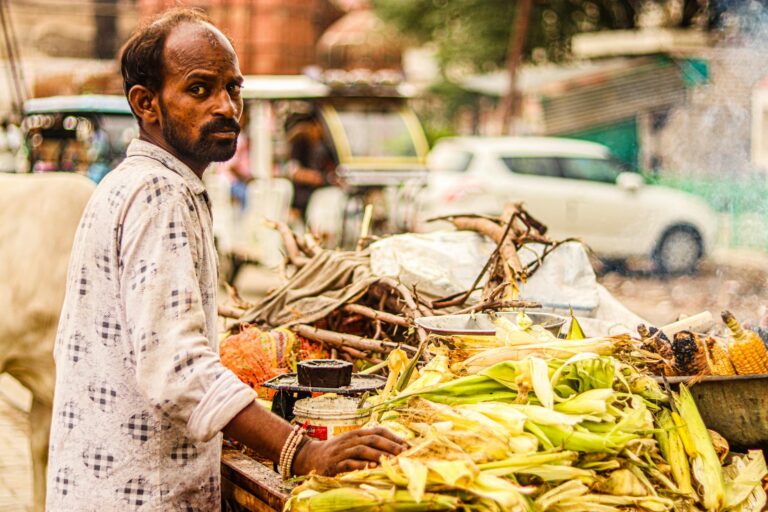
Tokyo Bangkok
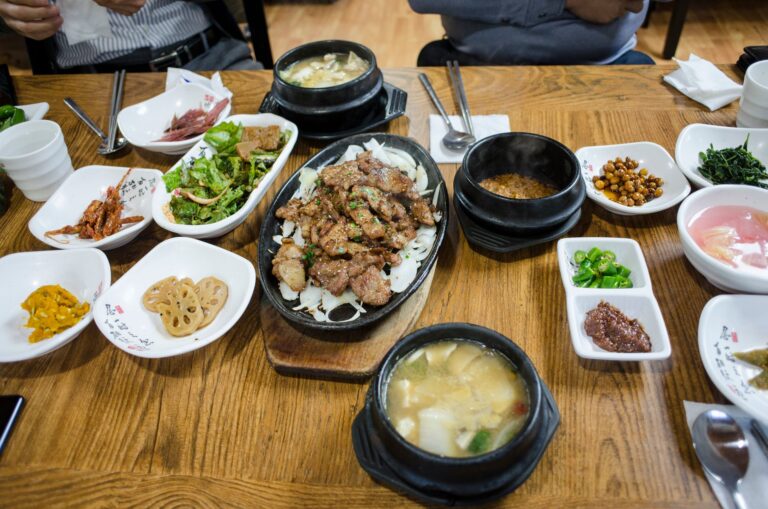
 Seoul
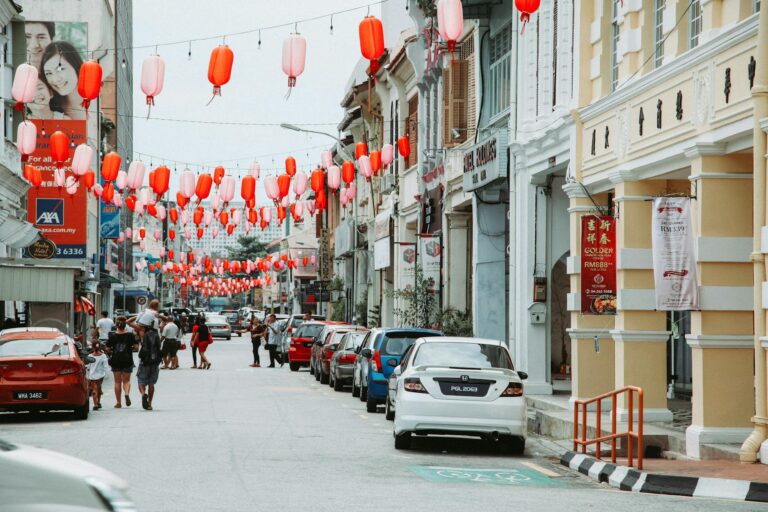
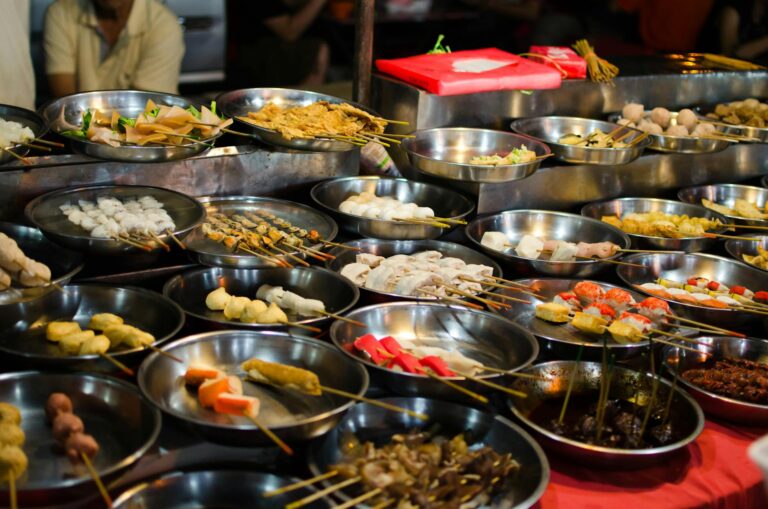
Seoul Singapore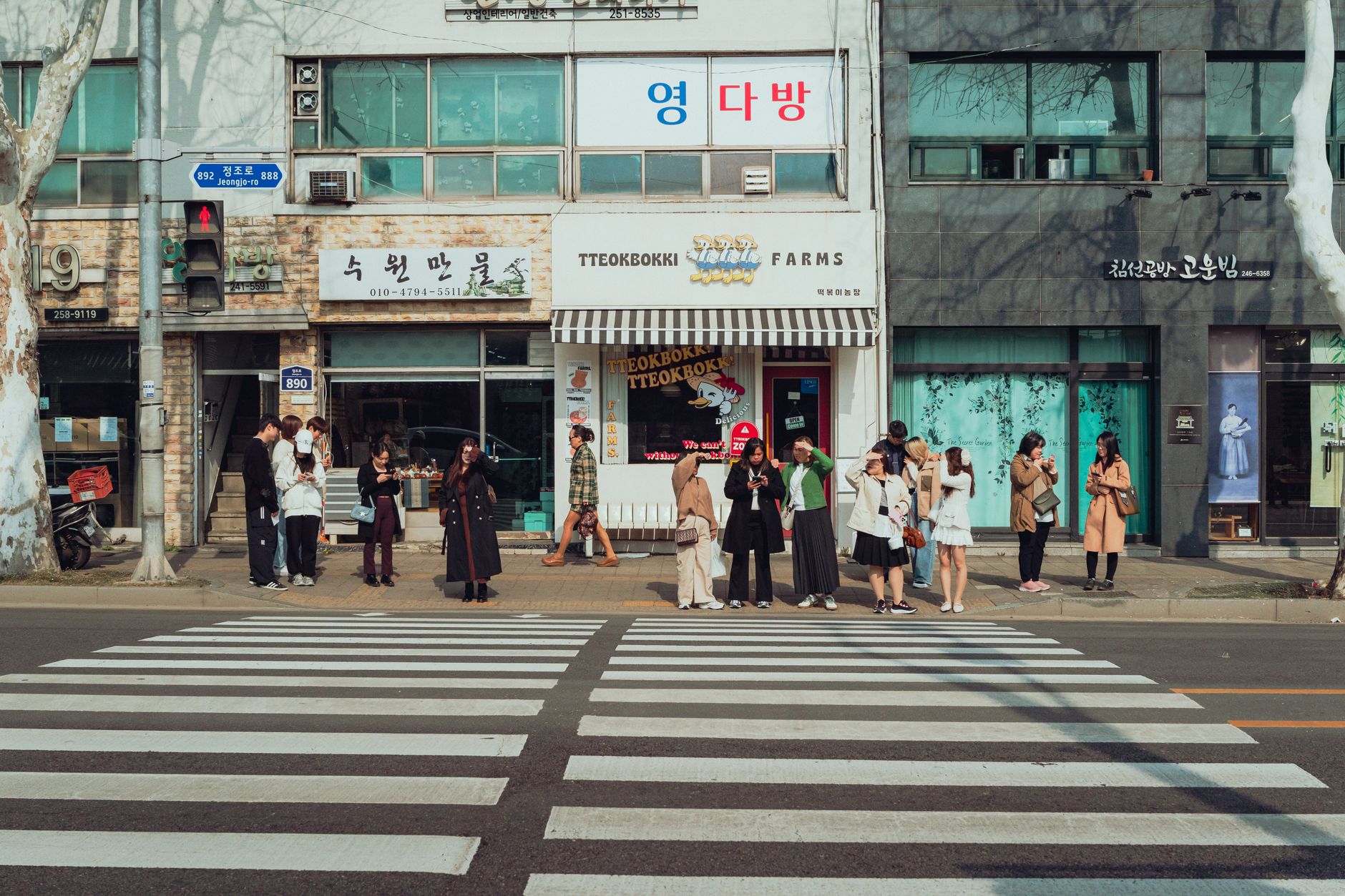
Tteokbokki: Origins, Variations, and Where to Eat It
Tteokbokki (떡볶이) is a South Korean dish of cylindrical rice cakes stir-fried in a thick, spicy gochujang-based sauce. The rice cakes—called tteok—are the structural foundation: they must be chewy but not mushy, yielding slightly under the tooth while maintaining their shape. The sauce, typically built on gochujang (fermented red chili paste), gochugaru (chili flakes), garlic, and anchovy stock, coats each piece. What distinguishes tteokbokki from similar rice cake preparations across East Asia is the assertive heat and umami depth—this is not a delicate dish. It’s eaten most commonly as a street food, served in paper cups at pojangmacha (street vendor tents), though it also appears in formal restaurant settings and home kitchens across South Korea.
Origins and History
Tteokbokki’s origins trace to the Joseon Dynasty court, where it was prepared as a royal dish called “tteok-bokkeum.” Early versions were made with sliced beef, vegetables, and soy-based seasonings—substantially different from the incendiary street food known today. The transformation occurred during the 1950s and 1960s, in the aftermath of the Korean War, when street vendors adapted the dish for mass consumption using cheaper ingredients and more aggressive seasoning. The addition of gochujang as the primary sauce base—rather than soy—coincided with increased chili pepper cultivation in Korea and shifting taste preferences toward bolder, hotter foods.
The 1960s and 1970s saw tteokbokki become embedded in Seoul’s pojangmacha culture, particularly in neighborhoods like Myeongdong and around Incheon’s markets, where vendors could serve hot, satisfying meals to students, workers, and night-shift laborers for minimal cost. By the 1980s, the dish had transcended its street-vendor origins and appeared in dedicated restaurants. The standardization of gochujang production in the 1990s made the recipe more consistent and reproducible, allowing tteokbokki to spread beyond Seoul to other major cities and eventually across the country as a ubiquitous casual food.
Regional Variations
While gochujang-based tteokbokki dominates South Korea, regional preferences create meaningful differences. Seoul versions tend toward the spiciest iterations, often incorporating additional gochugaru and maintaining a thinner, more pourable sauce that clings to the rice cakes. This style reflects the capital’s younger, trend-driven demographic and competitive vendor culture where heat level becomes a marker of authenticity.
Busan, the port city, incorporates more seafood elements—vendors commonly add squid, shrimp, and fish cakes (eomuk), transforming the dish into something closer to a stew. The sauce in Busan often runs slightly sweeter, balanced with fish sauce and occasionally a touch of sugar, reflecting regional preferences visible across Busan’s entire food culture. Incheon variations sit between Seoul and Busan: vendors here frequently add cheese (a relatively recent innovation that gained traction in the 2000s), creating a hybrid sweet-spicy-umami profile that appeals to younger eaters.
Gangwon province, the mountainous eastern region, produces versions with more substantial vegetable inclusions—mountain greens, mushrooms, and root vegetables—while Gwangju in the southwest adds fermented shrimp (saeujeot) more liberally than elsewhere, creating a pronounced funky depth. These aren’t mere embellishments; they reflect local ingredients, economic availability, and generational taste memories.
What Makes a Great Tteokbokki
The quality of tteok—the rice cake itself—determines approximately 60% of the final dish’s success. Good tteok should be made fresh or frozen fresh, not dried and rehydrated, and should be roughly 2-3 inches long with a diameter of about a quarter-inch. The texture must be creamy inside while maintaining a slight resistance on the exterior; overcooked tteok becomes gluey, undercooked versions remain hard and unpleasant.
The sauce requires balance that many casual vendors miss. Gochujang should be the primary heat source, but gochugaru provides sharper, fresher spice notes that gochujang alone cannot deliver. Quality versions use anchovy-based stock (either prepared fresh or from good quality anchovy concentrate), garlic, and sometimes a small amount of rice syrup for subtle sweetness—not to mask flavors but to round out the umami profile. The sauce should coat the rice cakes without pooling excessively at the bottom; this indicates either too much liquid or insufficient reduction.
A counterintuitive truth: the best tteokbokki often tastes almost aggressively salty on first bite, then reveals complexity as it cools slightly in the mouth. This isn’t poor seasoning—it’s intentional. The salt intensity helps rice cakes maintain their structural integrity in the sauce and creates the addictive quality that keeps people eating beyond satisfaction.
Supporting ingredients matter but shouldn’t overshadow the rice cakes. Fish cakes provide textural contrast; green onions add sharpness; sesame seeds add nuttiness. But if you taste the fish cake or green onion before the tteok and sauce, the vendor has miscalibrated.
Where to Try Tteokbokki: City by City Guide
Seoul: Myeongdong remains the epicenter for tourist-oriented tteokbokki, with dozens of pojangmacha lining the pedestrian streets. For less-crowded, more serious versions, head to the alleys around Gangnam Station’s side streets or Hongdae’s indie food scene. The neighborhood of Jongno has older, family-run vendors operating since the 1970s; these locations prioritize consistency over innovation. Ondals (온달’s) in Hongdae has gained attention for elevated takes featuring premium ingredients and careful heat calibration.
Busan: The Jagalchi Fish Market area offers tteokbokki vendors who source seafood directly, resulting in particularly fresh versions. The neighborhood of Seomyeon has competitive vendor density; prices are slightly lower than Seoul, and portions tend toward generous. Local recommendation: vendors near the Busan Station underpass offer late-night versions popular with night-shift workers.
Incheon: The Incheon Chinatown area surprisingly hosts some of the most experimental tteokbokki in South Korea—vendors here incorporate cheese, carbonara-style elements, and hybrid preparations for the diverse local population. For traditional versions, the neighborhoods surrounding Incheon Port remain vendor-dense and prices remain lower than Seoul.
Price Guide
Street vendor tteokbokki typically costs 3,000-5,000 KRW (approximately $2.50-$4 USD) for a small cup, with medium portions at 5,000-7,000 KRW. Premium restaurant versions in Seoul’s Gangnam district run 12,000-18,000 KRW. Busan and Incheon remain 15-20% cheaper than Seoul across all vendor types. The price differential reflects real differences in portion size and ingredient quality, not regional wealth variation—Busan vendors genuinely use more seafood while maintaining lower prices due to proximity to ports.
Conclusion
Tteokbokki represents a rare culinary artifact: a dish that successfully traveled from royal courts to street carts, then back into refined restaurants, without losing the aggressive, uncompromising character that made it compelling in its street-vendor incarnation.