Tokyo
Tokyo Bangkok
 Seoul
Seoul Singapore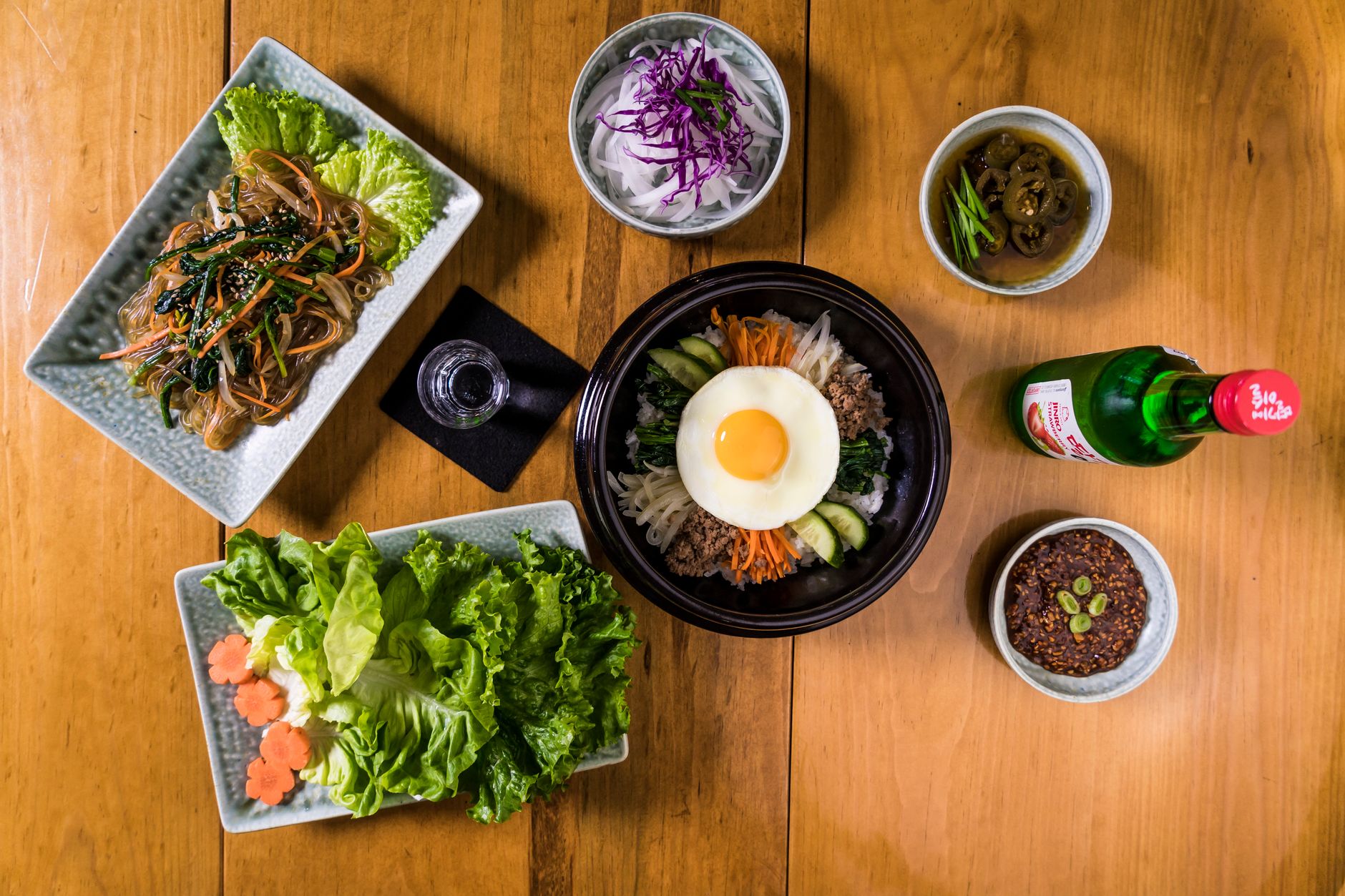
Bulgogi: History, Regional Styles & How Koreans Actually Eat It
Got three days in Seoul? Every food blog pushes the same six restaurants. They all mention bulgogi, but nobody explains why the $8 local version beats the $12 tourist trap plate—or why Busan’s tastes nothing like Seoul’s. Here’s what actually matters.
Bulgogi Is More Than Just Marinated Beef
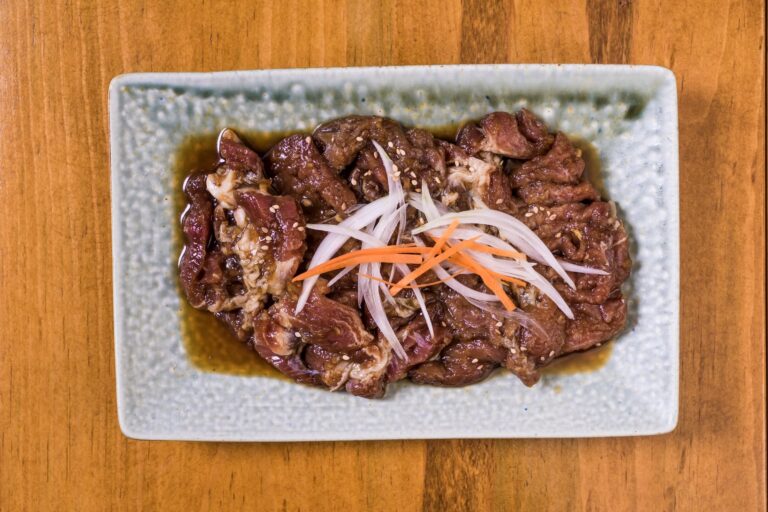
“Fire meat” sounds simple: thin-sliced beef soaked in soy, sugar, sesame oil, garlic, and pear, then grilled. Try five versions side by side and you’ll realize how much variation exists.
Good bulgogi starts with ribeye or sirloin cut against the grain—about 1/8-inch thick. Too thick? Chewy. Too thin? Dry. The marinade needs balance. Overdo the sugar and it’s sickly sweet; skimp and you miss that caramelized crust. The pear isn’t for flavor—its enzymes break down fibers, making the meat tender.
Cheap versions use chuck or brisket (wrong texture), over-marinate (mushy meat), or skip pear (tough). The good stuff has charred edges, stays juicy inside, and balances sweet with savory.
Location Changes Everything
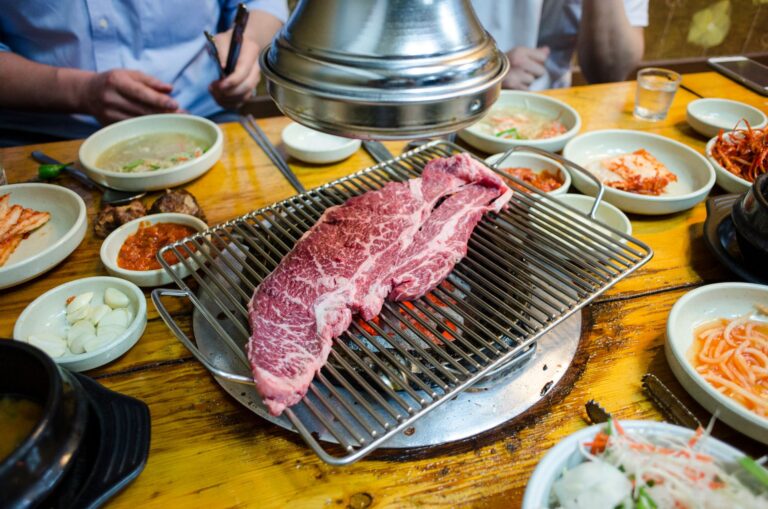
Seoul’s baseline is thin beef grilled tableside and wrapped in lettuce. But leave the capital and things shift.
Busan bulgogi packs more garlic, less pear—sharper, less sweet. You’ll also find bulgogi-jjim, where the meat braises until it falls apart. Daegu’s version leans heavy on sesame oil and sometimes chili flakes for heat.
In Seoul, hit Nonhyeon-dong (강남구 논현동) for places that specialize in beef. They charge $15-22 but use better cuts. Avoid Myeongdong’s tourist chains. Instead, grab lunch near Gangnam Station or Jongno-gu around 11:30am—$8-12 sets with rice, soup, and banchan feed locals daily.
Why Lettuce Wraps Aren’t Just Garnish
Most visitors eat bulgogi plain with rice. Big mistake. The lettuce wrap changes everything.
Layer bulgogi on perilla or lettuce, add ssamjang, maybe raw garlic or doenjang. Fold. Eat in one bite. The crunch, the sauce’s punch, the meat’s sweetness—that’s the real deal. Skipping the wrap is like eating burger patties without the bun.
Always order bulgogi-jeongshik sets. You get rice, soup (usually doenjang-jjigae or miyeok-guk), and banchan. À la carte costs more and misses the point—this is meant to be a full meal.
Here’s the truth: bulgogi isn’t fancy in Korea. It’s Tuesday night dinner. It’s what office workers grab at noon. Chasing “the best” misses the point. The real version costs $10 at a lunch counter where nobody Instagrams their food.
Skip the Research. Do This Instead.
Forget restaurant lists. On day one, find a jjim-silk spot in Gangnam or Jongno around noon. Order bulgogi-jeongshik. Eat it wrapped. Spend $10. Now you know what matters—everything else is just details.