Tokyo
Tokyo Bangkok
 Seoul
Seoul Singapore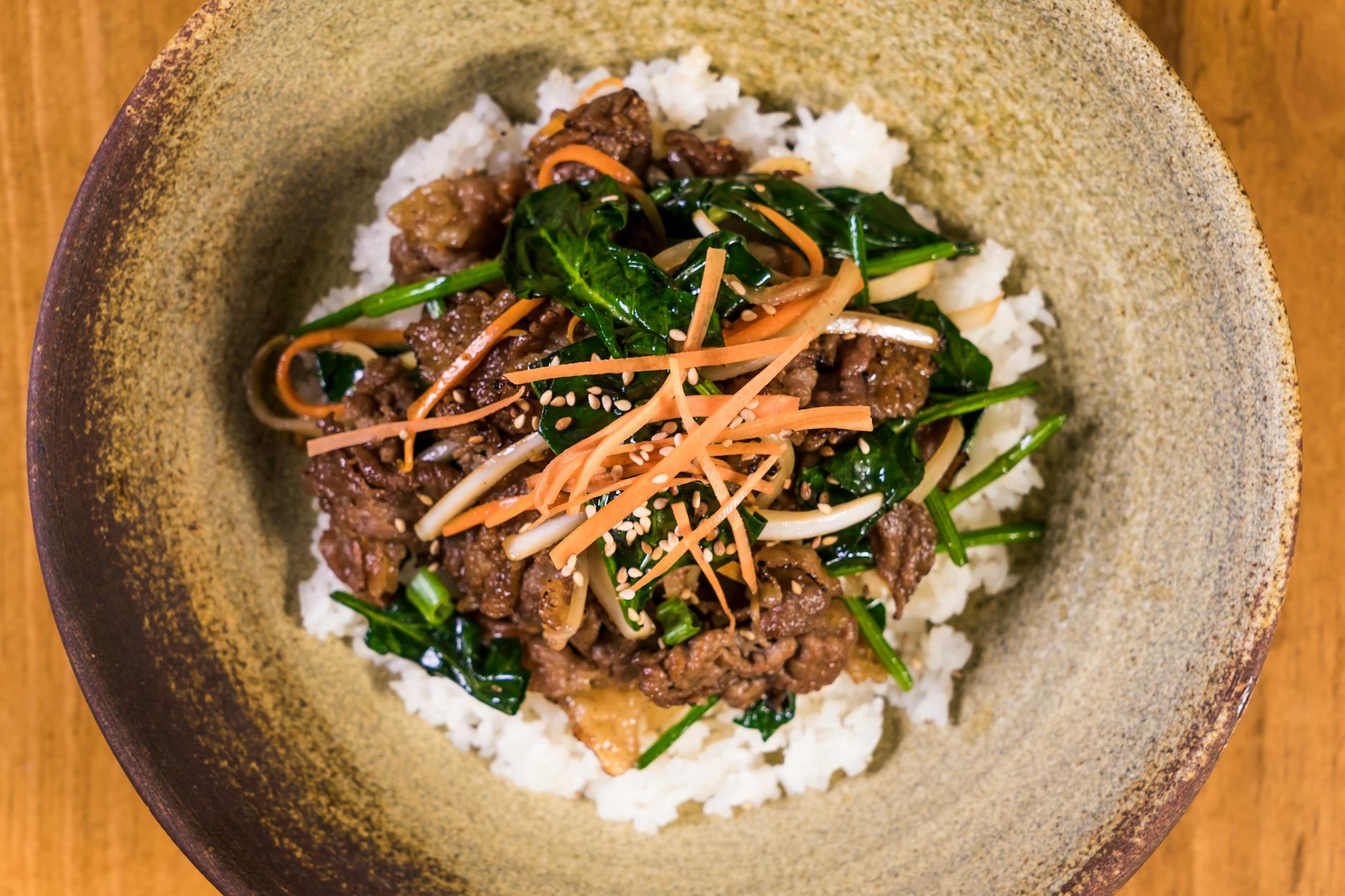
Bulgogi: Korean Food Guide to History & Regional Styles
Watching a Korean neighbor prep bulgogi changes everything—no measuring cups, just soy sauce and pear juice splashed into a bowl before the meat takes a quick 20-minute bath. That’s the secret: it’s not about precision, but trusting simple ingredients to work their magic. The real charm? Knowing how Koreans actually eat it, not some watered-down version.
Where Bulgogi Actually Came From
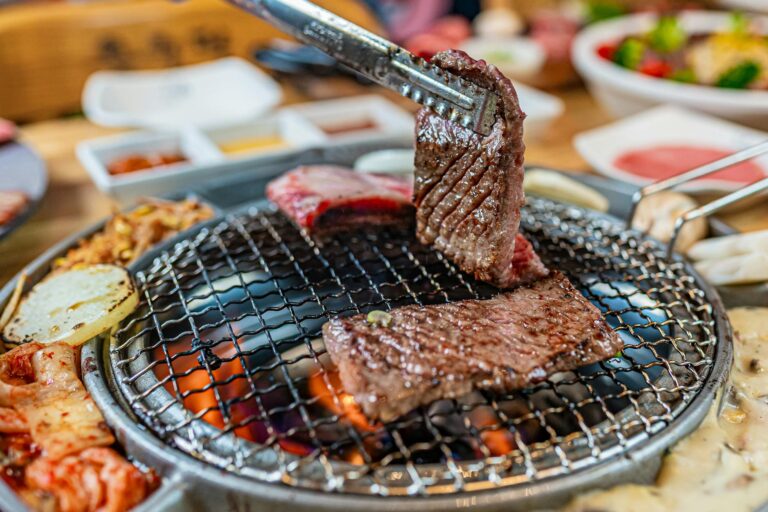
Bulgogi’s roots trace back to Korea’s Joseon Dynasty, though historians debate the exact century. What’s certain? Marinating meat in soy sauce and sugar wasn’t just for flavor—it made cheaper cuts edible and stretched precious protein further. By the 1960s, it became a staple in restaurants where diners grilled it themselves at the table. The name says it all: “fire meat” (bul = fire, gogi = meat). No fancy plating needed—just sizzling meat, good company, and maybe a soju bottle nearby.
Here’s the twist: bulgogi was never gourmet. It’s street food turned national comfort dish. The marinade’s sweetness? Often from pear or kiwi juice, whose enzymes tenderize the meat without turning it to mush. That’s why even budget cuts taste luxe.
Regional Styles You Should Know About
Seoul’s version plays it sweet and fancy—think ribeye bathed in pear juice. Nearby Gyeonggi Province amps up the garlic and sesame. Down in Busan, they ditch the sugar almost entirely, leaning into soy sauce’s salty depth. Some spots even swap beef for pork, which changes the game entirely.
Jeonju does things differently. They use brisket, so the meat has more chew, and serve it with spicy gochujang for mixing into rice. Up in Gangwon’s mountains, venison or wild boar might sub in when available, adding a gamy kick. The lesson? Bulgogi bends to local tastes and ingredients—it’s a method, not a monolith.
How Koreans Actually Eat Bulgogi
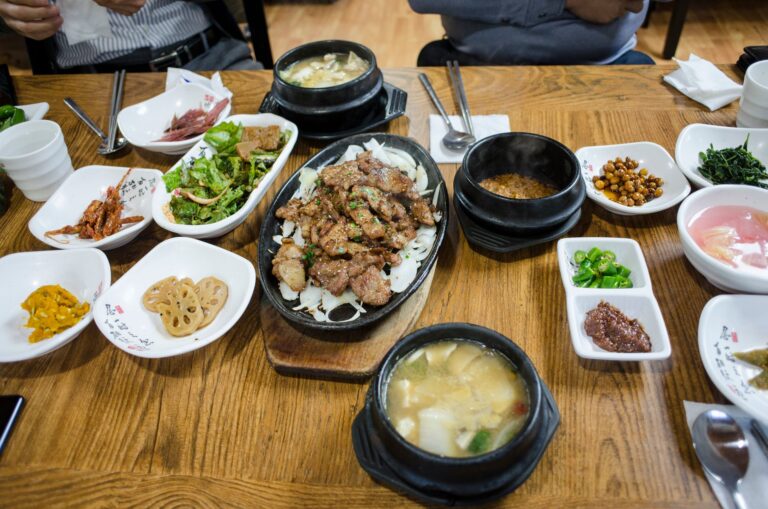
Forget steakhouse-style plating. Koreans build bulgogi into bites: lettuce wraps (red leaf, not iceberg) stuffed with rice, garlic, gochujang, and maybe a sesame leaf. This “ssam” style turns each mouthful into a flavor bomb. Or they’ll dump it over rice, drizzled with marinade and topped with sesame seeds—quick, messy, perfect.
Side dishes? Non-negotiable. Kimchi, spinach, pickled radish—something crunchy, spicy, or sour to cut the richness. At home, marinate for 20-30 minutes max, then sear it fast. Serve with lettuce and rice, and let everyone DIY their wraps. No fuss, just heat and eat.