Tokyo
Tokyo Bangkok
 Seoul
Seoul Singapore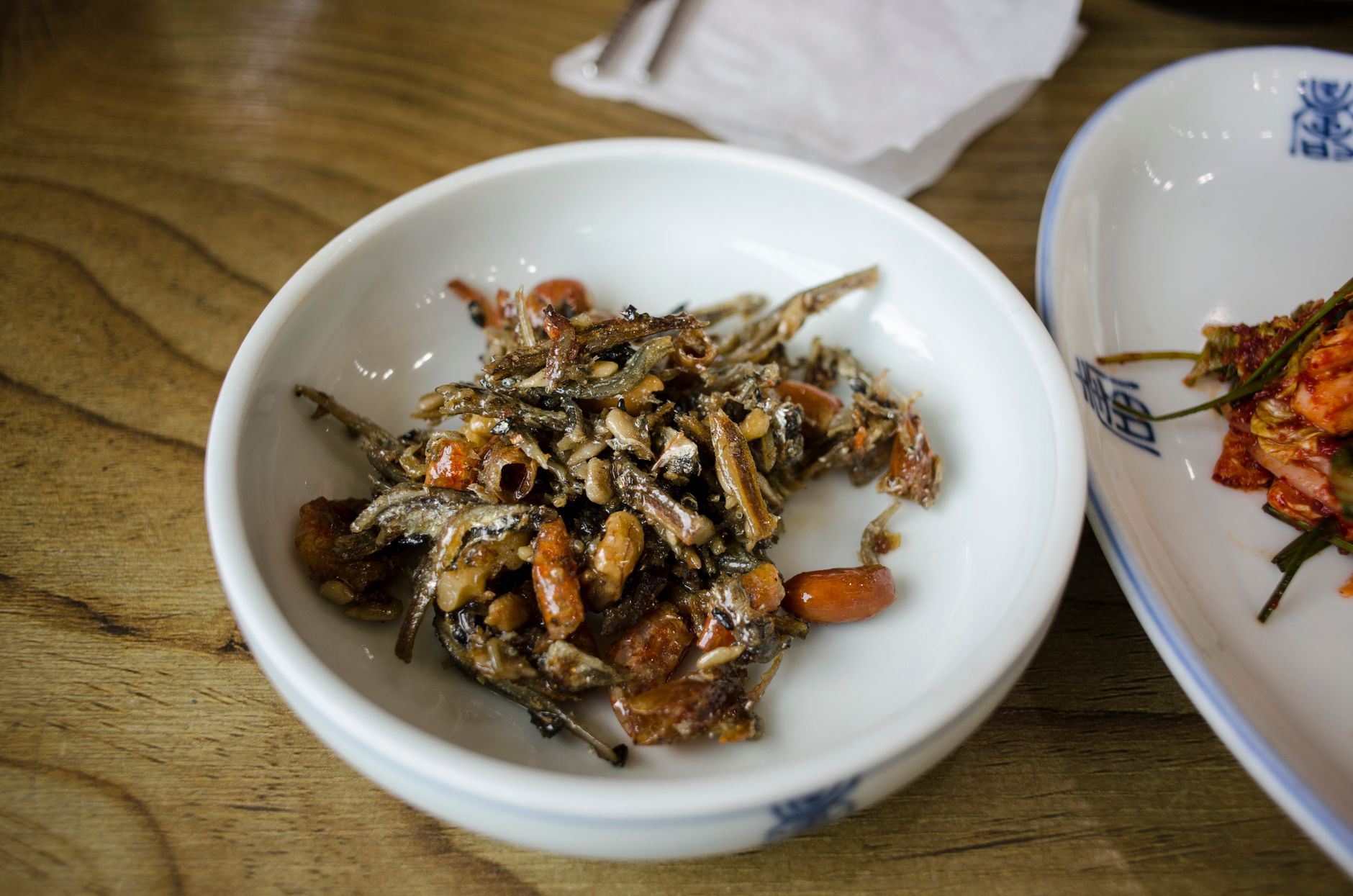
Korean Anju: The Snacks That Make Drinking Social
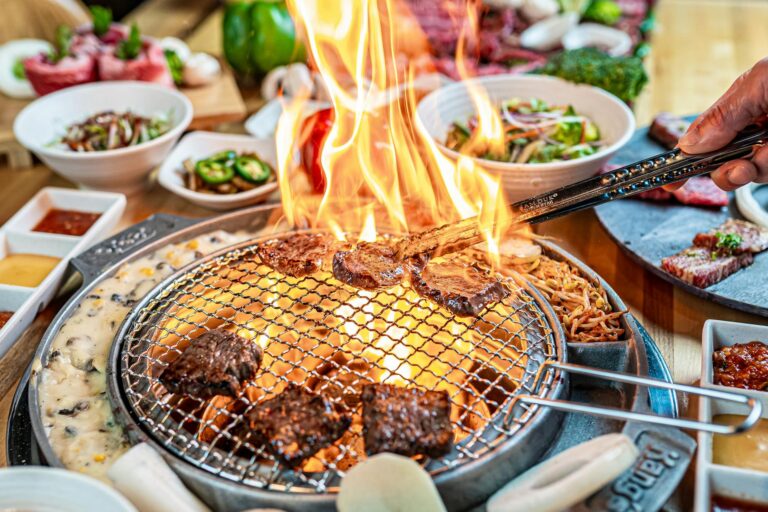
A Korean woman in Seoul ripped apart a steaming pancake with her hands as her friends laughed and poured soju. That’s when it clicked—anju isn’t fancy. It’s whatever keeps the conversation flowing and makes the next drink taste better.
Why Koreans Pair Specific Snacks With Specific Drinks
Korean drinking food isn’t random. Take makgeolli—that milky rice wine—which pairs perfectly with greasy fried snacks because the fat balances its sweetness. Soju goes with almost anything, but some combos just work better. At a Busan pojangmacha (those plastic tent bars), the owner explained how fried foods slow alcohol absorption. Smart. Those umami-packed broths and fermented sides? They’re not accidents. Korean drinking culture stretches out the night, and the food helps.
The Essential Anju You Can Make at Home
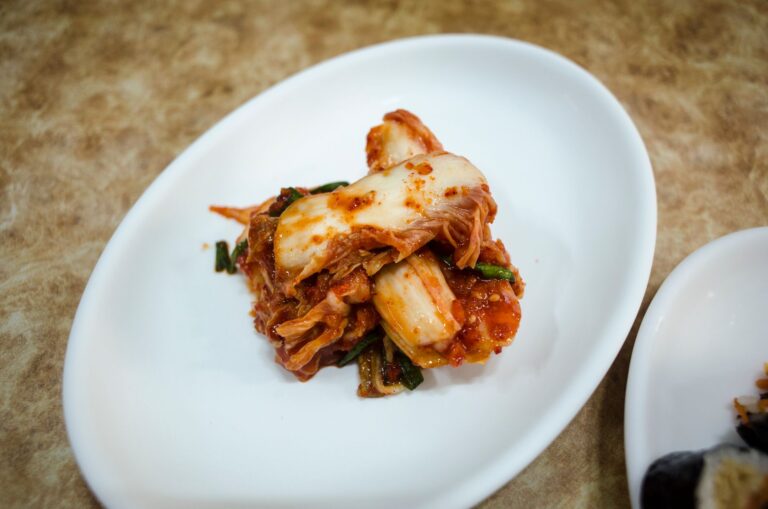
Bindaetteok (mung bean pancakes) might be the easiest anju. Soak beans, blend, fry until crispy. Dip in soy-vinegar sauce. Texture’s key—crunch outside, soft inside. Tteokbokki? Just boil chewy rice cakes in spicy sauce with veggies. Dead simple. Pajeon’s even faster: flour, egg, water, and a mountain of scallions fried crisp. Leftover kimchi? Chop it into the batter for kimchi jeon. These all follow the same rule—basic batter, quick cook, serve hot. Tear with your hands. Share immediately.
Building Your Own Anju Spread
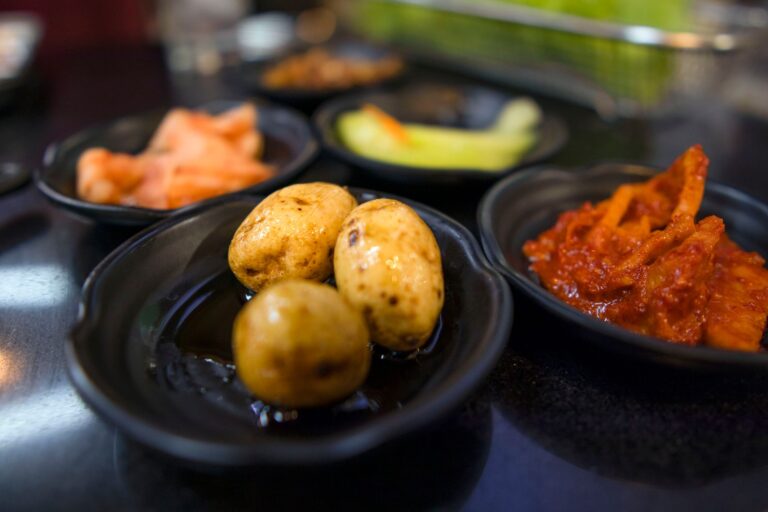
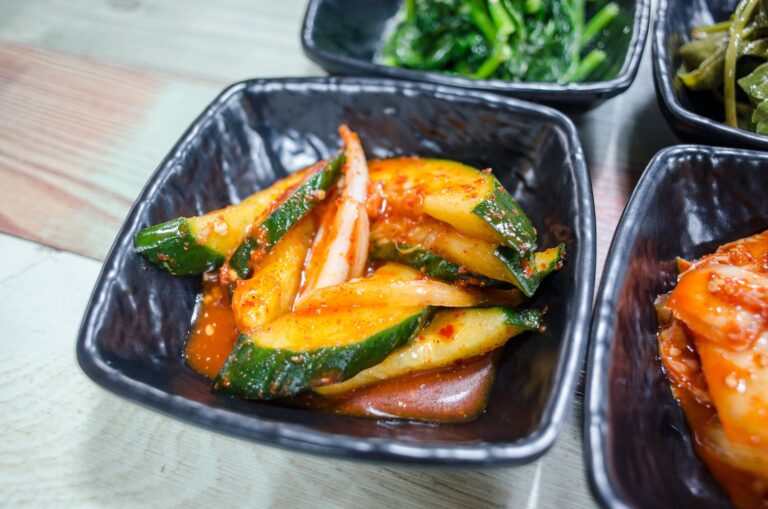
The best drinking sessions mix several small dishes. Start with something fried like pajeon. Add kimchi or salty anchovies. Throw in some broth—maybe fish cake soup. Fresh veggies help too: radish slices, cucumber spears. In Daegu, I saw how this variety keeps things interesting. You’re not just drinking—you’re nibbling, talking, laughing. At home in Seoul, I kept it simple: store-bought rice cakes, gochujang, scallions, kimchi. Twenty minutes to anju. Koreans don’t fuss over perfection—they grab what’s there and get back to the conversation.
Want to get Korean drinking culture? Open some soju, call friends, make pajeon or order tteokbokki. The food’s not the star—the people are. But the food keeps everyone at the table. That’s anju.