Tokyo
Tokyo Bangkok
 Seoul
Seoul Singapore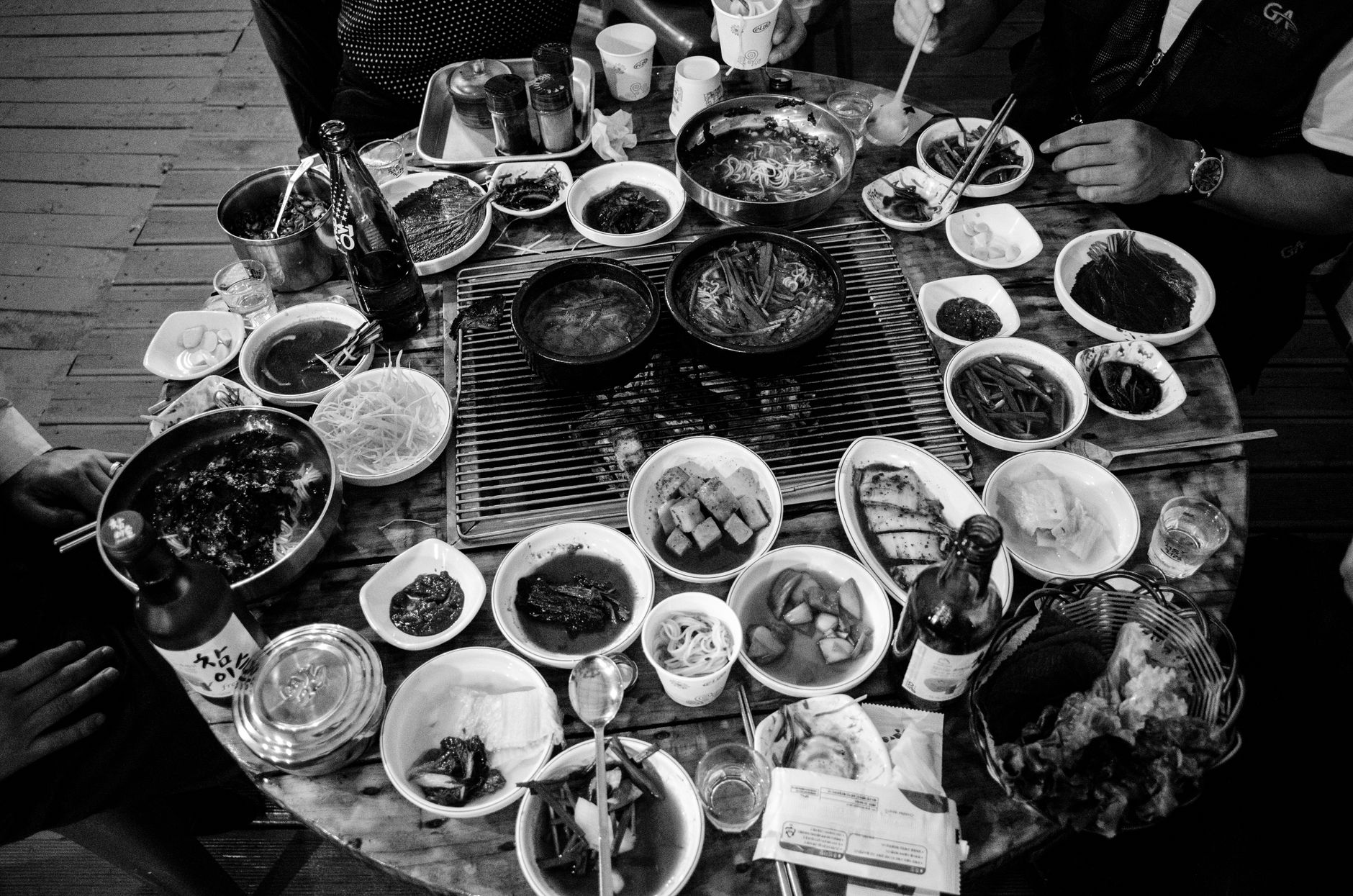
Why Korean Meals Always Come With 10 Small Dishes
Walk into a Korean home at dinnertime, and you’ll spot the same scene: a steaming bowl of rice, maybe a soup, and a table crowded with small dishes. Not for a party. Just a regular weeknight. For Koreans, skipping banchan—those little side plates—makes a meal feel incomplete. It’s not about extravagance. It’s about making rice interesting, meal after meal.
Banchan Solves the Problem of Eating Rice Every Single Day
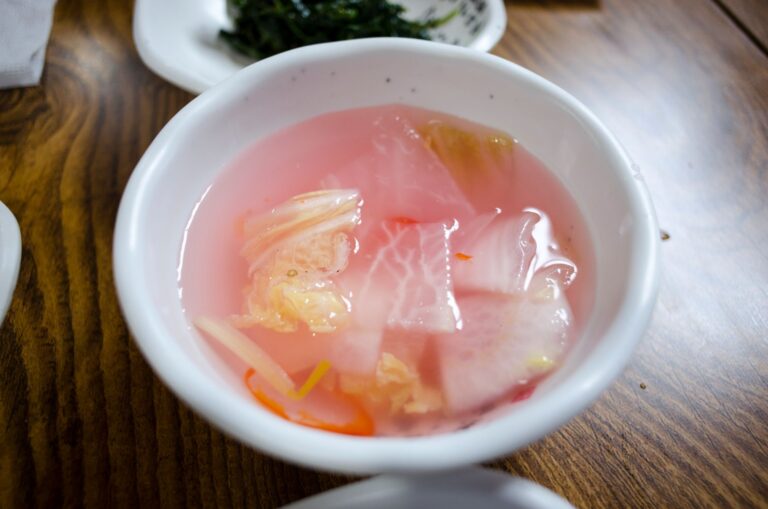
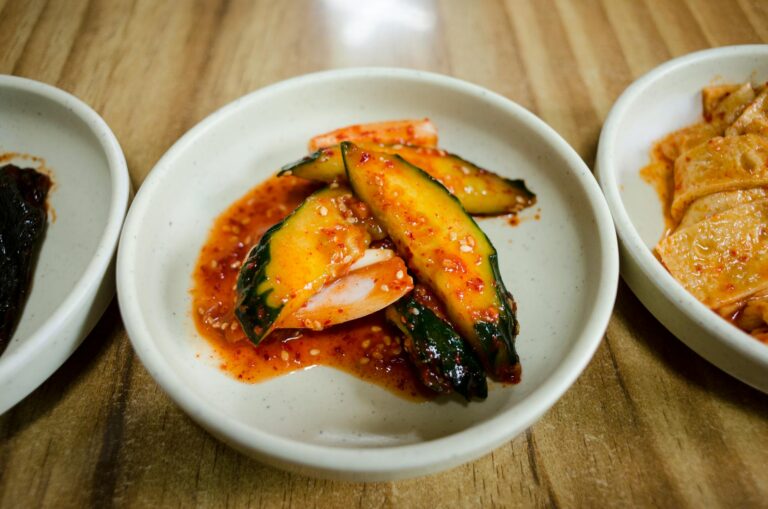
Rice anchors every Korean meal. Three times a day, every day. Without banchan, you’d face a sad plate of plain rice with soup and maybe one protein. Enter the side dishes. Kimchi (always), spinach tossed in sesame oil, tangy radish pickles, savory steamed egg, maybe some tiny dried fish. Whatever’s fresh. The goal? Keep each bite of rice exciting. Grandmas didn’t fuss over fancy menus. They used what was cheap and in season—spring’s young greens, winter’s preserved veggies. No two bites taste the same.
The Economics of Stretching One Ingredient Into Multiple Dishes
Banchan is Korean efficiency at its best. One cabbage becomes kimchi for later and a fresh salad for tonight. Spinach leaves get seasoned; the stems turn into pickles. Zero waste, maximum variety—all from cheap staples like soy sauce and chili flakes. Feeding five people might cost less than one restaurant meal. You’re also eating way more vegetables without realizing it. Five tiny veggie dishes beat one boring side any day.
Banchan Isn’t Service—It’s How the Meal Is Supposed to Work
Those free banchan at Korean restaurants? That’s not generosity. It’s the meal. At home, the small dishes aren’t extras—they’re the main event. Mix and match them with rice. A bite of spicy kimchi, then some mushrooms, then rice. The soup’s just there to tie it together. Same rice, same stew, totally different meal depending on the banchan lineup. Tuesday: kimchi and zucchini. Thursday: squid and bean sprouts. Magic.
Want to cook Korean? Don’t overthink it. Grab three to five banchan ideas using what’s in your fridge. Blanch greens. Quick-pickle something. Definitely have kimchi. Done. No perfection needed—just good food that makes sense.