Tokyo
Tokyo Bangkok
 Seoul
Seoul Singapore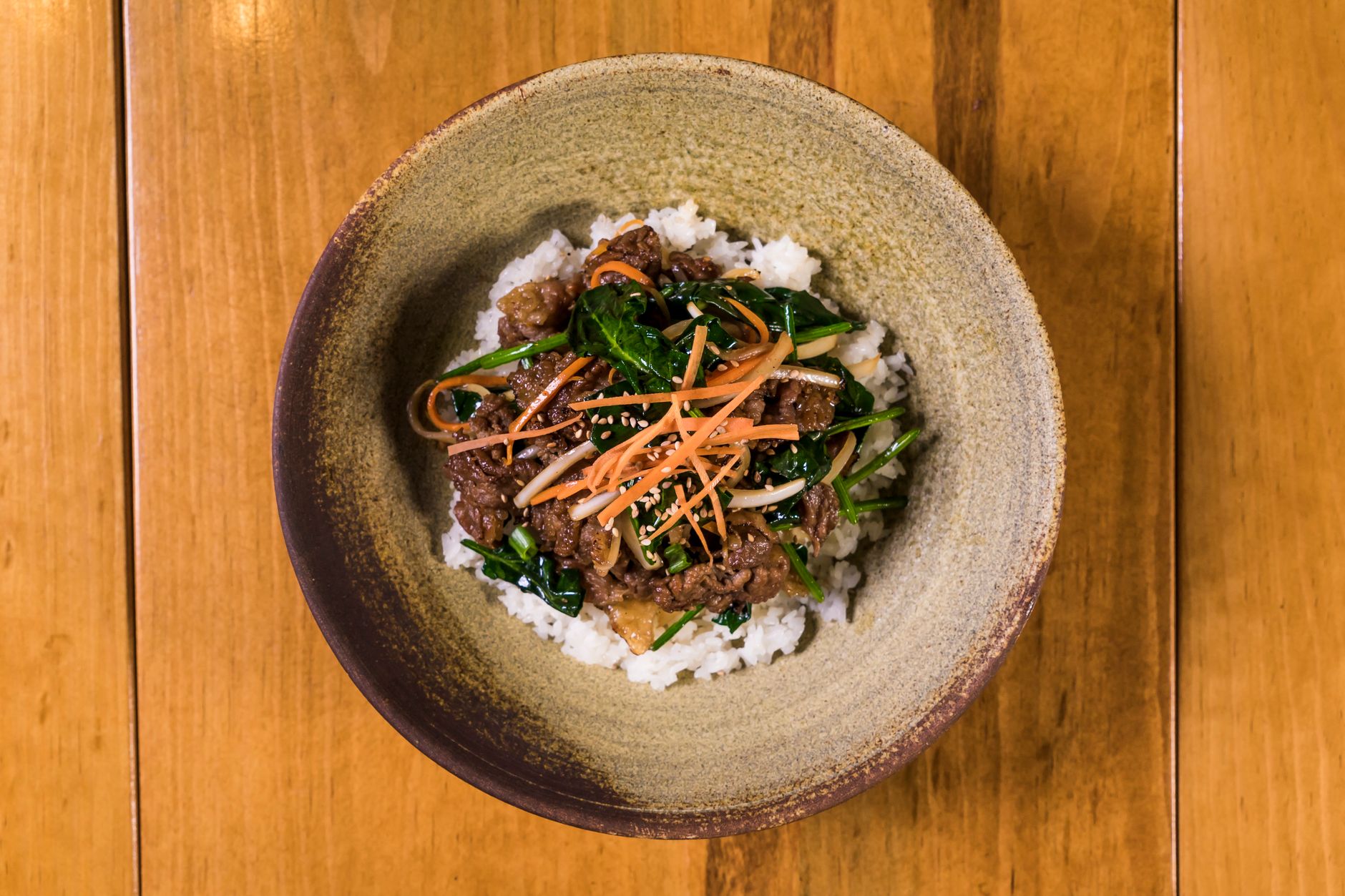
Korean Fusion Food Trends: Bulgogi Tacos to Kimchi Ramen
Korean Fusion Food Trends 2022: How Korean Flavors Are Taking Over the World
Korean food isn’t just for specialty restaurants anymore. This year, fusion dishes exploded everywhere—and it’s not some passing fad. Chefs and eaters alike are obsessed with those deep, savory flavors. Picture bulgogi tacos at a posh London spot or kimchi ramen at a Melbourne pop-up. People will pay top dollar for this stuff. The global Korean food market could hit $17.4 billion by 2027, with fusion leading the way.
The Rise of Korean Fusion: Why Now?
This takeover didn’t happen suddenly. K-pop and K-dramas paved the way, but food fusion needed more: good ingredients and real respect for the cuisine. Unlike past Asian food trends that watered things down, today’s chefs work with Korean traditions instead of against them.
Here’s why it works. Korean flavors nail the balance—spicy gochujang, funky doenjang, fresh chili heat. These aren’t just novelties; they’re tools any chef can use. A taco in Brooklyn gets Korean seasoning. Ramen in Sydney gets a kimchi twist. The results feel new but stay true to their roots.
The Game-Changing Dishes Dominating 2022 Menus
Bulgogi Tacos and Korean-Mexican Fusion
Bulgogi tacos blew up this year. That sweet-spicy marinated beef? Now piled into tortillas with kimchi and gochujang mayo. It makes sense—both cuisines love big flavors and fermented kicks. Upscale spots charge $18-24 for these, and people pay without blinking.
Kimchi Ramen and Noodle Innovation
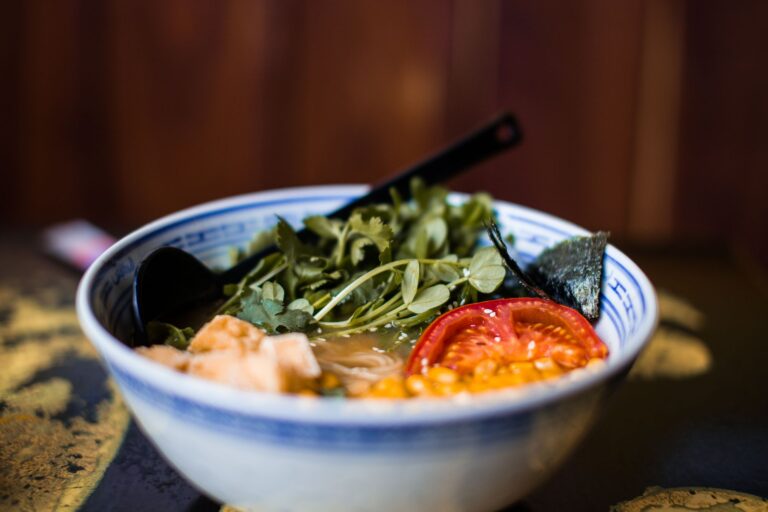
Kimchi ramen shook up the noodle game. Forget plain pork broth—now it’s got that funky kimchi jjigae base with anchovy stock. This isn’t fusion for fusion’s sake. It’s Korean chefs putting their stamp on noodle culture.
Fried Chicken Innovation
Korean fried chicken set the new standard. Crispy. Saucy. Chefs are running with it—sandwiches with pickled daikon, pizzas loaded with mozzarella, even poutine topped with those glazed wings.
Building Your Korean Fusion Repertoire at Home
No fancy kitchen needed. Grab gochujang, gochugaru, soy sauce, sesame oil, and ginger. Here’s the play: take any protein or veg, hit it with those Korean flavors, then pair it with whatever cuisine you like.
Try gochujang salmon (Korean meets Nordic). Kimchi fried rice with bacon (comfort food upgraded). Roasted cauliflower with Korean spices and tahini (East meets Middle East). Just remember—let those fermented, spicy elements shine.
The Future of Korean Food in 2022 and Beyond
This isn’t like other food trends. Chefs aren’t treating Korean flavors as some gimmick. They’re digging into the techniques for real. As more Korean talent goes global and eaters get smarter about these flavors, things will only get more interesting.
What’s next? Korean-Nordic collaborations. French techniques meeting Korean ingredients. Vegetarian fine dining with kimchi and doenjang leading the charge. The options keep growing.
The Takeaway
Korean fusion isn’t going anywhere. Whether you’re hunting tacos in London, slurping ramen in Melbourne, or messing around in your own kitchen, these flavors are rewriting the rules. The real question? What wild, delicious combinations chefs will dream up next.