Tokyo
Tokyo Bangkok
 Seoul
Seoul Singapore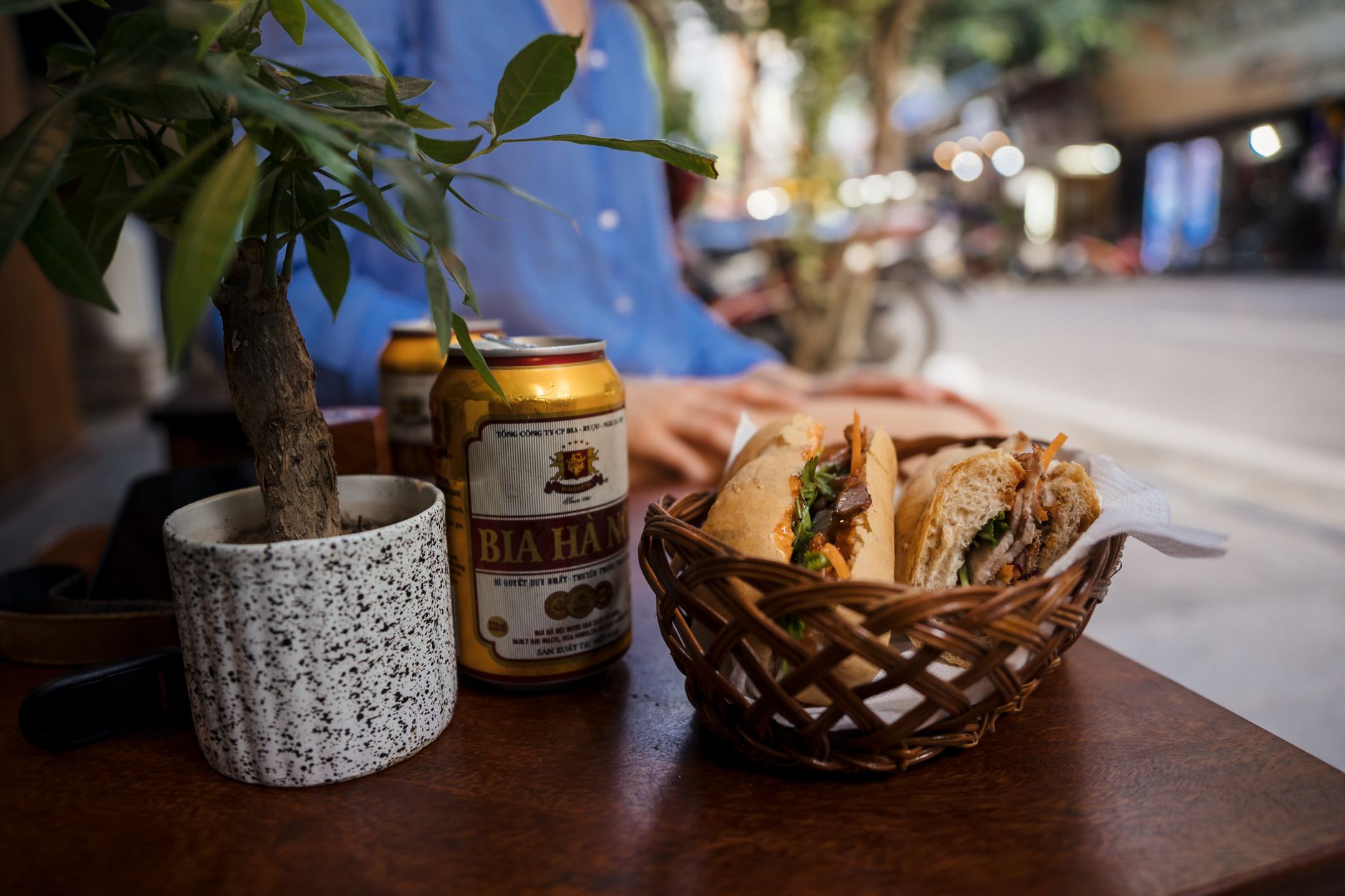
Making Banh Mi Bread: The Vietnamese Baguette Method
Let’s settle this – the Vietnamese baguette beats the French original hands down. Anyone who’s crunched into a good banh mi gets it instantly. That crisp shell giving way to airy insides, still sturdy enough for pâté and pickles? No accident. It’s smart baking, and you can absolutely do it at home. The secret isn’t some mystical ingredient – just better flour choices, hydration levels, and steam tricks the French forgot.
Why Vietnamese Bakers Nailed It (And The French Missed Out)
When the French brought baguettes to Vietnam in the 1900s, local bakers tweaked the recipe for their climate. What emerged was something France never managed – bread that stays crispy all day instead of turning into a doorstop by lunch. Partly luck (Vietnam’s humidity forced changes), mostly genius. Vietnamese bakers cut hydration slightly, shortened rise times, and cranked oven temps higher than Parisian bakeries dared. Watch them work in Ho Chi Minh City’s District 1 – ovens roar at 475°F, not the tame 450°F back in France. That extra heat means thinner, crisper crusts while the quick fermentation keeps the crumb tight enough to hold fillings without going soggy.
The Recipe: Flour and Water Ratios That Actually Work
Use bread flour with 12-13% protein – don’t even think about all-purpose. At 65% hydration, the dough feels firmer than French versions (those run 75-80% water). Mix 500g flour with 325ml water, 10g salt, and 2g instant yeast. The stiffer dough builds surface tension for that signature crackle when you bite in. Let it rise just 4-5 hours at room temp – none of those 18-hour French marathons. Less gas means no giant holes that wreck your sandwich. Shape two loaves, proof 90 minutes, then slash at 45 degrees with a razor. Just barely break the surface – you’re guiding the expansion, not decorating.
Heat and Steam: Where the Magic Happens
Crank your oven to 475°F with a Dutch oven or baking stone inside. This temperature difference matters. Drop the dough onto the hot surface and immediately toss a cup of boiling water into a skillet below. Slam the door. That initial steam blast creates the glass-like crust that shatters so beautifully. Bake 22-25 minutes total: 15 minutes steamy, then 7-10 dry to finish. Steam’s job ends once the crust sets – keep going and you’ll get chew instead of crunch. Cool on a rack at least 30 minutes before cutting. Rush this and you’ll steam the crust soft from the inside.
The banh mi baguette isn’t hard, but it punishes corner-cutters. Nail the heat, watch the clock, and respect the steam. Do it right once and you’ll never look at those sad Western “banh mi” rolls the same way again. This bread doesn’t play second fiddle – it’s the main event.