Tokyo
Tokyo Bangkok
 Seoul
Seoul Singapore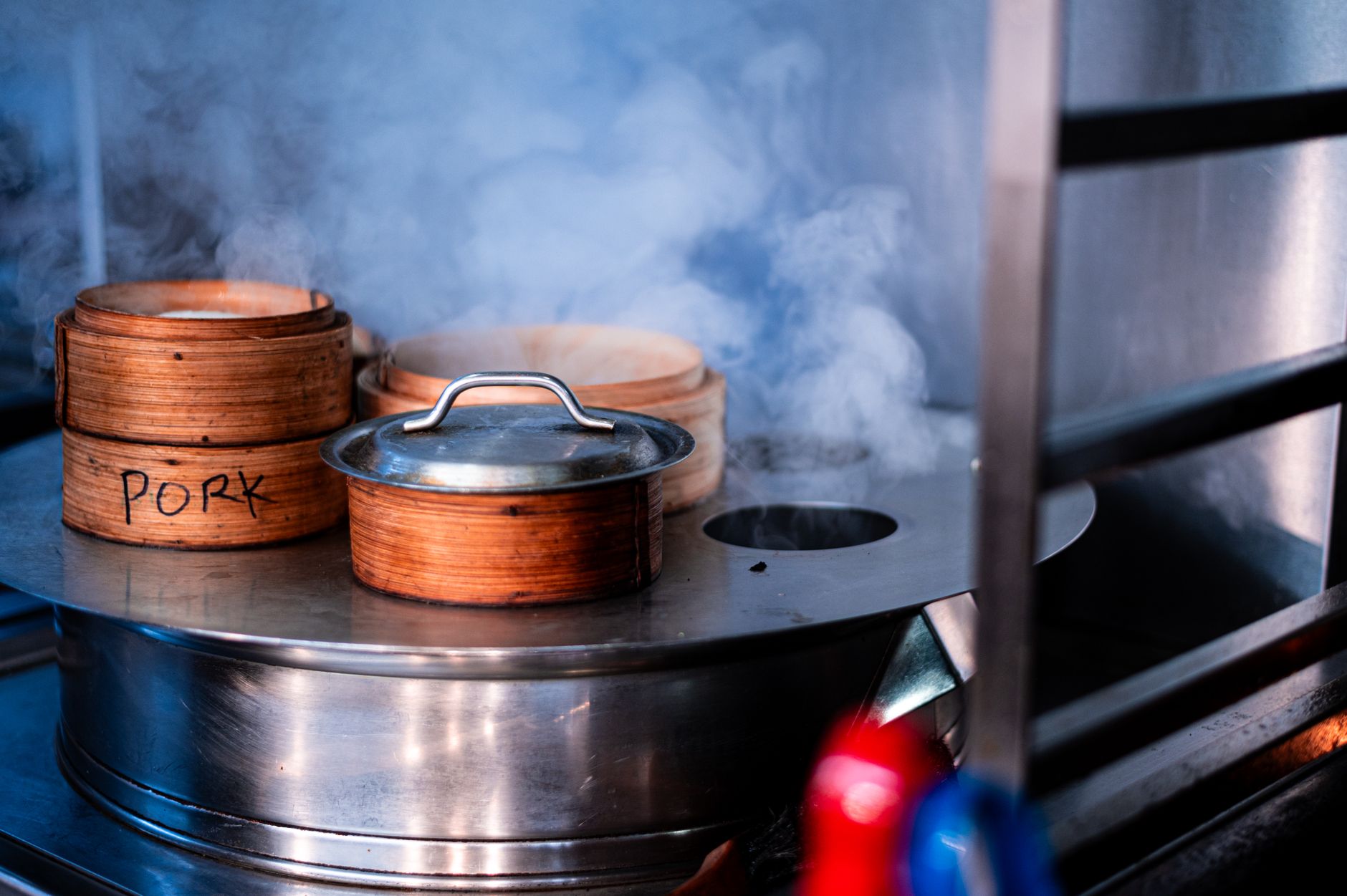
Dim Sum Guide: Yum Cha Etiquette & 15 Must-Try Dishes

The Art of Yum Cha: A Crash Course in Dim Sum Culture
Weekends mean one thing for Cantonese food lovers: crowded tables piled high with bamboo steamers. Yum cha—literally “drinking tea”—began centuries ago in Guangdong but now fuels brunch crowds from Hong Kong to Sydney. It’s not just about the food. The real magic happens in the noisy rhythm of clinking teacups, squeaky cart wheels, and that unspoken dance of sharing plates with strangers.
Ever freeze up when the dim sum cart rolls by? No shame. This guide breaks down the unwritten rules and highlights 15 dishes worth trying first.
Dim Sum Etiquette: Don’t Panic, Just Follow These Tips
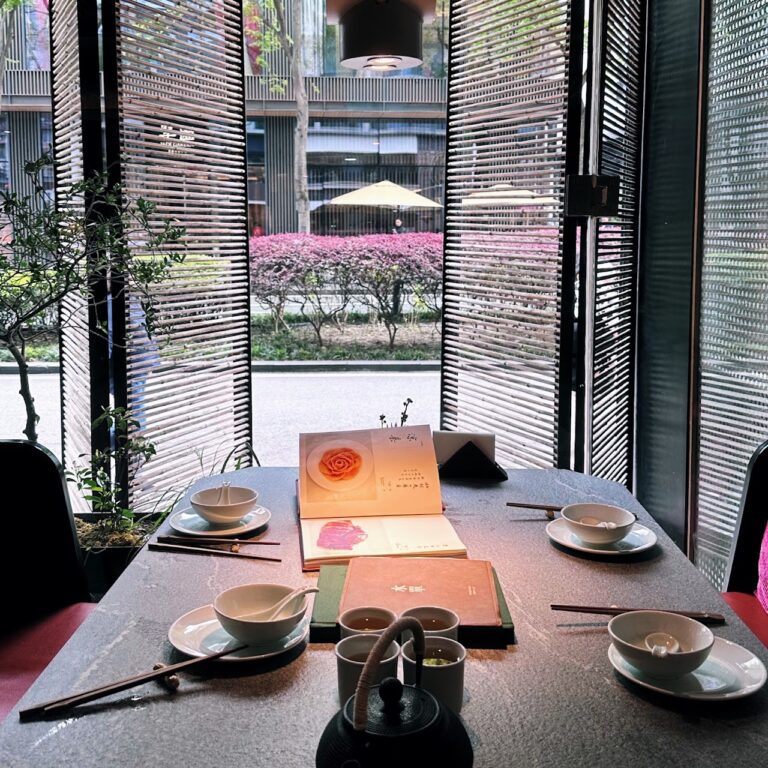
These customs aren’t just rules—they’re how generations have shared meals. Start with tea: pour for others first. When someone tops up your cup, tap two fingers on the table. It’s a holdover from emperors pretending to bow.
Never pour your own tea. Leave the lid slightly open when the pot’s empty—servers spot this instantly. Order family-style and share everything. Those small/medium/large marks on your bill? They track dish complexity, not portion size. Ask servers what’s fresh. And whatever you do, don’t stick chopsticks upright in rice. It’s bad joss.
15 Dim Sum Dishes to Start With
1. Har Gow (Shrimp Dumplings): The ultimate test of a dim sum kitchen. Perfect ones have translucent, pleated wrappers that don’t stick to your teeth.
2. Siu Mai (Pork & Shrimp Dumplings): Those open-top yellow dumplings with a shrimp hat. Juicy, porky, impossible to stop eating.
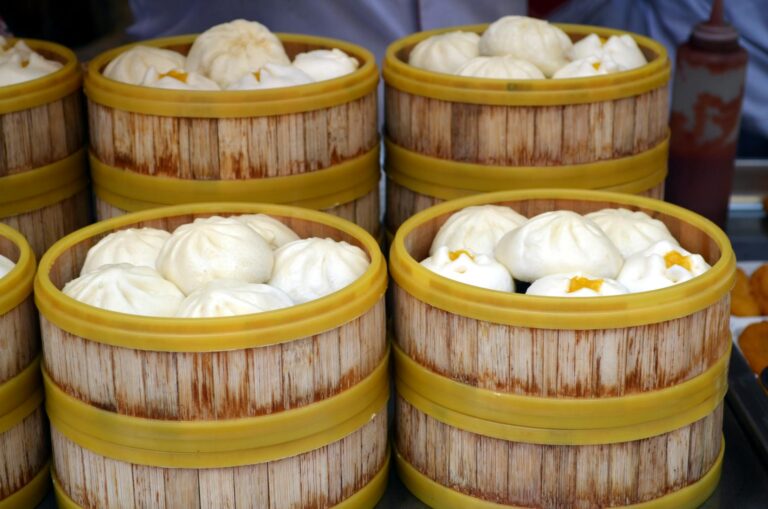
3. Char Siu Bao: Fluffy buns hiding sweet BBQ pork. Try both steamed and baked—they’re totally different animals.
4. Cheong Fun (Rice Noodle Rolls): Slippery rice sheets wrapped around shrimp or beef. The best ones barely hold together.
5. Lo Mai Gai (Sticky Rice in Lotus Leaf): Unwrap this fragrant bundle to find rice packed with sausage and mushrooms.
6. Taro Croquette: Crunchy outside, creamy inside. Don’t mistake that purple filling for potato—taro tastes earthier.
7. Chicken Feet (Fung Zao): Sounds wild, tastes incredible. Braised until the collagen turns silky.
8. Turnip Cake: Not actually turnip—daikon radish gets fried with bits of sausage until crispy.
9. Pork Belly Bun: Modern classic. Melty pork belly meets pillowy steamed bun.
10. Shrimp Paste Dumpling: Intense umami bombs shaped like little pyramids.
11. Scallop Siu Mai: Fancy version of #2, crowned with dried scallop.
12. Egg Custard Tart: Buttery crust, wobbly filling. Portugal’s gift to dim sum.
13. Black Sesame Roll: Chewy rice noodles hiding nutty black sesame paste.
14. Beef Ball Skewer: Bouncy meatballs with a hint of bamboo crunch.
15. Chive and Shrimp Dumpling: Like har gow’s greener, more aromatic cousin.
Surviving Your First Dim Sum Adventure
Go before noon—that’s when kitchens are pumping out the freshest batches. Peek inside steamers before saying yes. Order in waves so you don’t get buried under plates. Drink lots of tea between bites.
Remember: every dumpling fold and filling ratio comes from centuries of trial and error. This is living food history, best enjoyed loud and messy with friends.
Now grab some chopsticks and dive in. The carts are coming.