Tokyo
Tokyo Bangkok
 Seoul
Seoul Singapore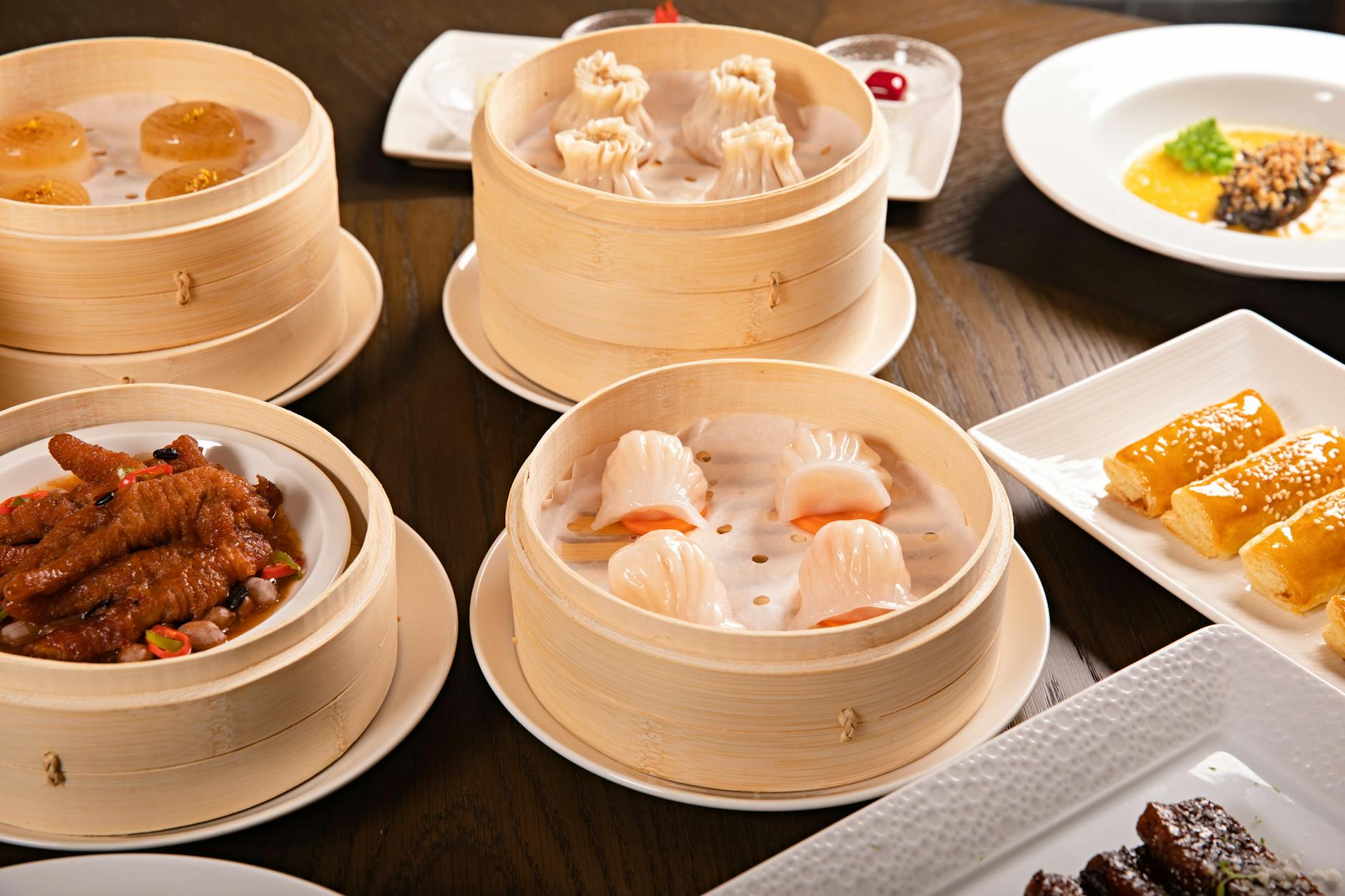
15 Essential Dim Sum Dishes for First-Timers

The noise hits first—a thousand voices tangled with clattering carts, hissing steamers, clinking plates. City Hall dim sum in Hong Kong at 10 a.m. is already packed, every table full. An older woman pushes a cart past, shouting “har gow, siu mai!” like she’s calling bingo numbers. This is real dim sum. No fancy brunch vibes, just the loud, delicious chaos of a proper Cantonese breakfast.
The Steamed Dumplings You Actually Need to Know
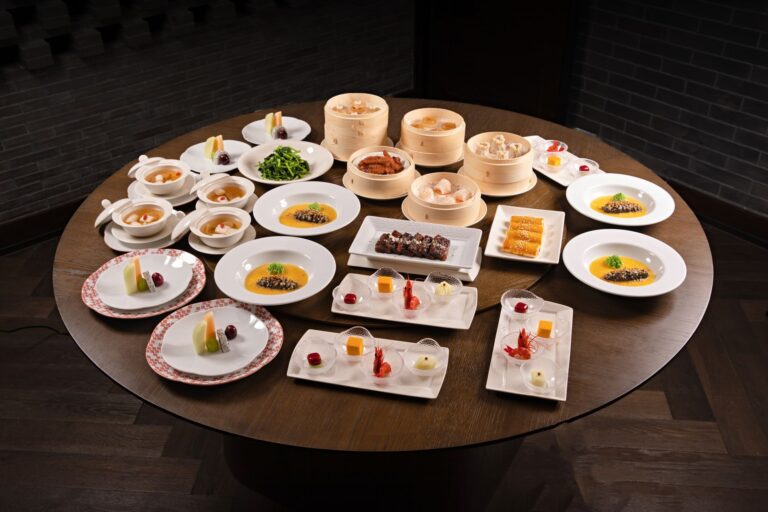
Start with har gow (shrimp dumplings). These are beginner-friendly. Translucent wheat-starch wrappers folded around whole shrimp and bamboo shoot. The wrapper should be thin enough to see through—if it’s thick and doughy, walk out. Order these first—they’re foolproof and set the standard.
Siu mai (pork and shrimp dumplings) come next. Open-topped, with pleated wrappers like tiny purses. Inside: minced pork, shrimp, mushrooms, sometimes egg yolk. Usually topped with a shrimp or fish roe. Ate these daily in Guangzhou and never got sick of them.
Fung zhao (chicken feet in black bean sauce) isn’t for everyone. But try it. The cartilage turns tender after braising, and that funky black bean sauce makes it worth the effort. You’ll either love it or hate it. Took me forty dumplings to get it.
The Buns and Rolls That Matter
Char siu bao (barbecue pork buns) are the gateway. Fluffy white buns split open to reveal sticky, caramelized pork. Comfort food at its best. Get them steamed—they stay soft, while baked versions get heavy. Once ate four from a Macau stall before 7 a.m.
Spring rolls (chun juan) are the crunch you need. Golden, crispy, stuffed with pork and mushrooms. Comes with sweet-and-sour sauce or hot mustard. These aren’t dainty—eat with your hands, lick the oil off your fingers.
Cheung fun (rice noodle rolls) are silky smooth. Stuffed with shrimp, pork, or char siu, rolled tight, sliced, and drizzled with soy sauce. The noodle barely holds together—like eating a cloud with substance.
The Smaller Bites That Finish You
Egg tart (dan tat) is the perfect end. Buttery pastry shell with custard filling, baked until the top caramelizes. Sweet, rich, and the only logical finish after twelve dishes. Macau’s Portuguese influence shines here—these are cousins to pastel de nata.
Sticky rice in lotus leaf (lo mai gai) and turnip cake (lo bak go) complete the meal. The rice packs chicken, sausage, and mushrooms. The turnip cake gets pan-fried crispy, served with soy sauce and chili oil.
Pro tip: Go early. Order three dishes at a time. Don’t try everything in one sitting. Come back. The first visit is reconnaissance. The second, you start figuring it out. By the third, you’ll know which carts to chase.