Tokyo
Tokyo Bangkok
 Seoul
Seoul Singapore
Lotek: Indonesia’s Everyday Street Food Explained
When hunger strikes in Jakarta, Bandung, or Surabaya, lotek carts appear like clockwork—never where tourists linger, always where locals rush by. This isn’t destination dining. It’s cheap fuel: a heap of boiled greens, fried tofu, and eggs drowned in peanut sauce for about the price of a latte. No frills. Just fast, filling, and packed with flavor. You don’t seek out lotek. You stumble into it when your stomach growls on the walk home.
The Peanut Sauce That Changes Everything
Lotek’s real magic isn’t in the veggies—it’s in how wildly the sauce shifts across Java. Bandung’s version bites back: fresh chilies crushed with peanuts, garlic, and palm sugar, thinned with tangy tamarind water. Some add fish sauce for depth. Yogya plays it sweeter, mellowing the heat with extra sugar and coconut milk. Surabaya splits the difference—medium spice but richer, thanks to shrimp paste and fish sauce. The peanuts tell a story too. Daily-made sauces use raw nuts roasted in-house. Pre-ground powder? Flat and forgettable. One bite reveals which vendor cares.
What Goes In (And Why It’s Never the Same Twice)
Expect cabbage, bean sprouts, green beans—boiled soft but not dead. Maybe cucumber. Maybe corn. Always tofu (crispy cubes or spongy chunks) and at least one egg. The lineup depends on the day’s market prices, the vendor’s mood, or what’s left from yesterday. In Bandung’s Pasar Baru, one stall might toss in kale. Another sticks to basics. The veggies barely matter. They’re just sauce sponges. Crunchy rice crackers come on the side—either mixed in or kept separate to avoid sogginess.
Street Food That Reflects How People Actually Eat
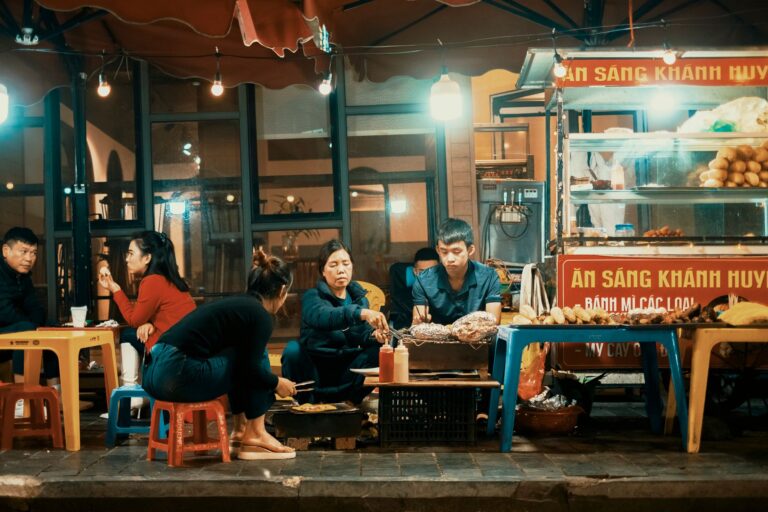
Lotek survives because it fits real life. Lunch for office workers. Snack for students. Dinner for tired families. At 15,000–25,000 rupiah ($1–$1.70), it’s everyone’s meal. The good carts? Run by women who’ve parked in the same spot for years. They know who likes extra chili, who skips the egg, and can slap together an order in 60 seconds. Avoid tourist zones—their lotek tastes like a photocopy of the real thing. This is neighborhood food, made for people who belong here.
Want to eat like a local in Indonesia? Ignore the guidebooks. Find a lunchtime lotek cart. Copy what regulars order. Go spicy if you dare. The sauce should cling to your tongue and burn a little afterward. That’s how you’ll get why this messy, unpretentious dish never goes out of style.