Tokyo
Tokyo Bangkok
 Seoul
Seoul Singapore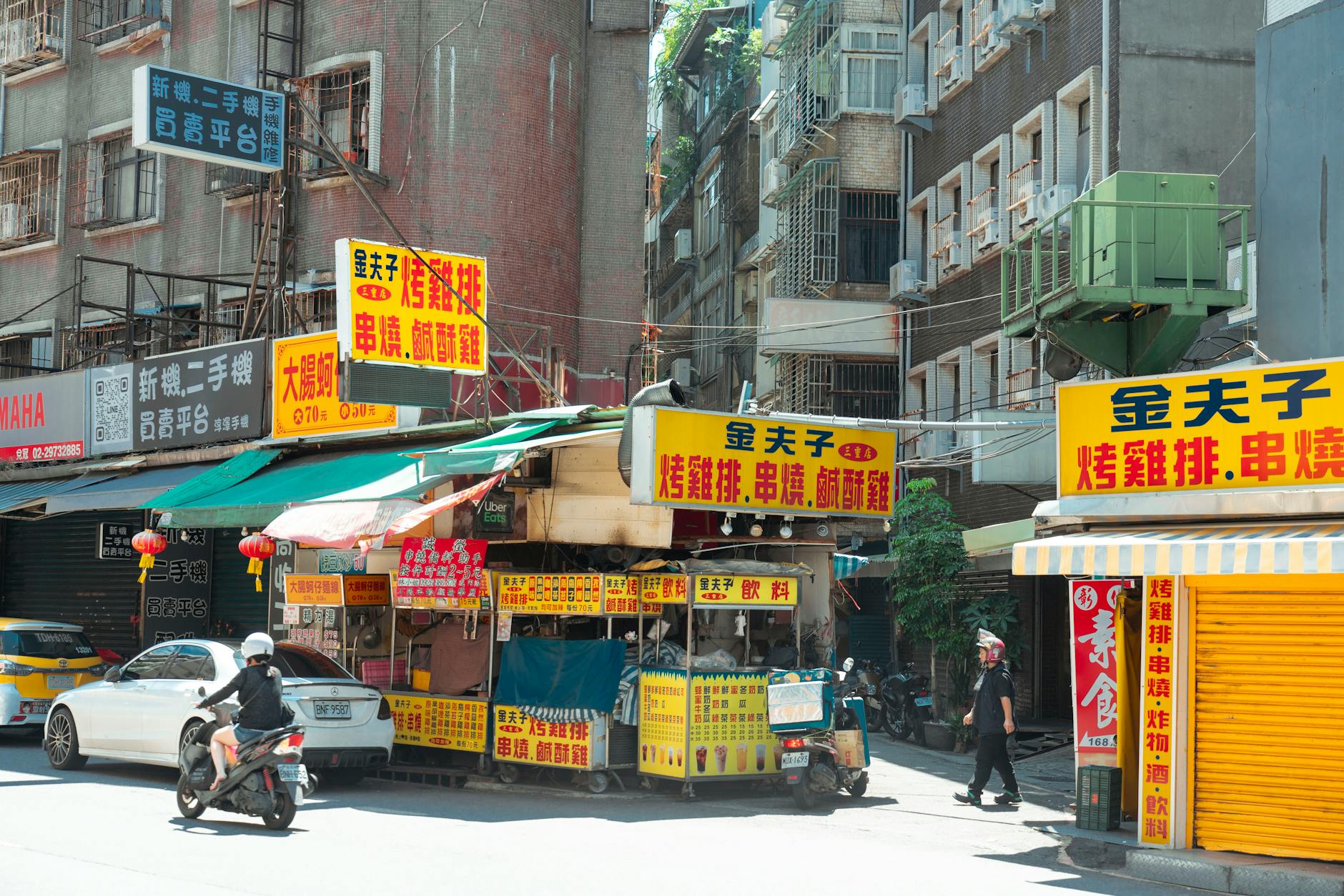
Taipei Night Markets: Skip the Tourist Traps, Eat Like a Local
Shilin Night Market is a tourist trap. Crowds shuffle through every night, eating overpriced squid and mediocre stinky tofu while influencers pose for photos. The real food? That’s at smaller markets where locals actually grab midnight snacks.
Why Taipei’s Night Markets Matter More Than You Think
These aren’t just tourist attractions—they’re where Taipei solves late-night hunger. Vendors survive on brutal efficiency: bad food means empty stalls. Quality control happens fast. Unlike Shilin, where mediocre spots linger for years feeding clueless visitors.
Raohe Street Night Market: Where Taipei Actually Eats
Go to Raohe instead. Loud, crowded, authentic. Find the pepper bun stall near the entrance—run by an older woman. Crispy, pork-filled, 50 NT ($1.60). Get two.
The oyster omelette stall draws crowds for good reason. Watch them work: eggs cracked, fresh oysters tossed in, perfect flips. Crispy edges, creamy center, topped with sweet-spicy sauce. $2.50 beats any fancy seafood dish.
Gua bao vendors compete here—pick the one with the line. The bun should be pillowy, the pork belly glistening. Dry? Wrong choice. Try again tomorrow.
The Honest Truth: Shilin Is Designed for You to Overspend
Shilin’s become a theme park version of itself. Prices run 40-60% higher than Raohe. Quality varies because tourists won’t know the difference. Everything’s designed for first-timers.
If you must go, avoid the main drag. Hunt down the side-street stall serving tian bu la—hearty stew with tofu and offal. $1.50 tastes like a 1 a.m. grandma hug.
Better option: Ningxia Night Market. Smaller, local, no nonsense. Vendors have been there for decades. Reputation matters more than reviews.
The Specific Move: Stinky Tofu Is Not Your Friend
Skip the stinky tofu hype. Not because it’s bad—when done right, it’s great. But the smell hits like a sewer truck. Locals either crave it or avoid it completely.
Stick to safer bets: grilled meats, soup dumplings, fresh seafood. These show real skill without the olfactory assault.
Do this: Avoid Shilin. Ride the MRT to Raohe after 9 p.m. Grab pepper buns, oyster omelettes, gua bao from busy stalls. Spend $15. Eat standing. This is real Taipei.