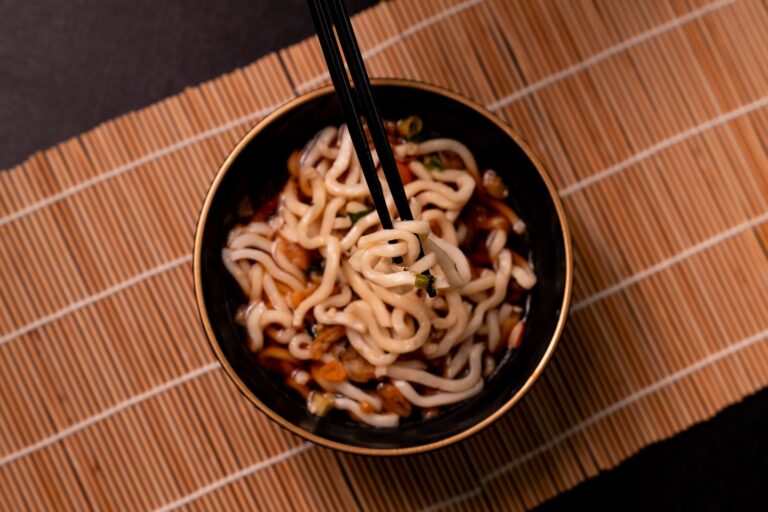
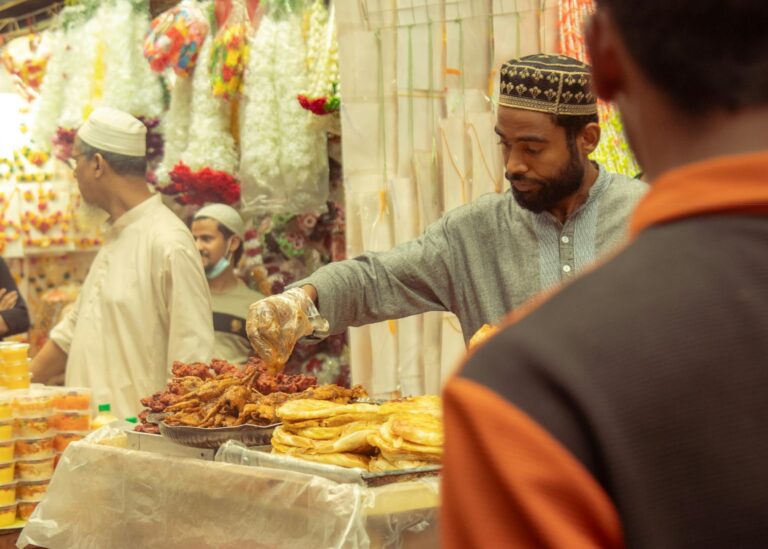
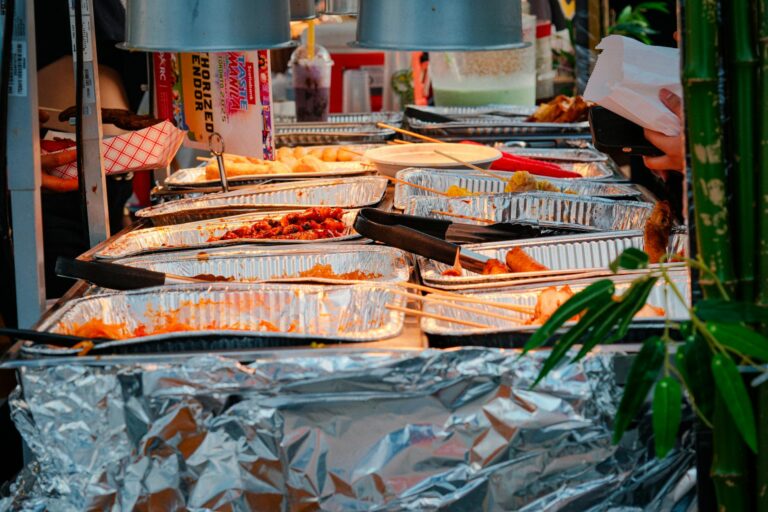
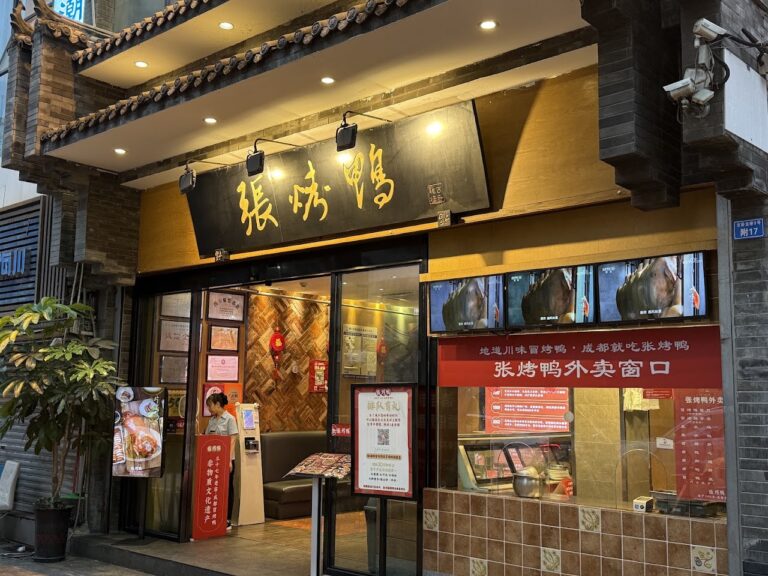
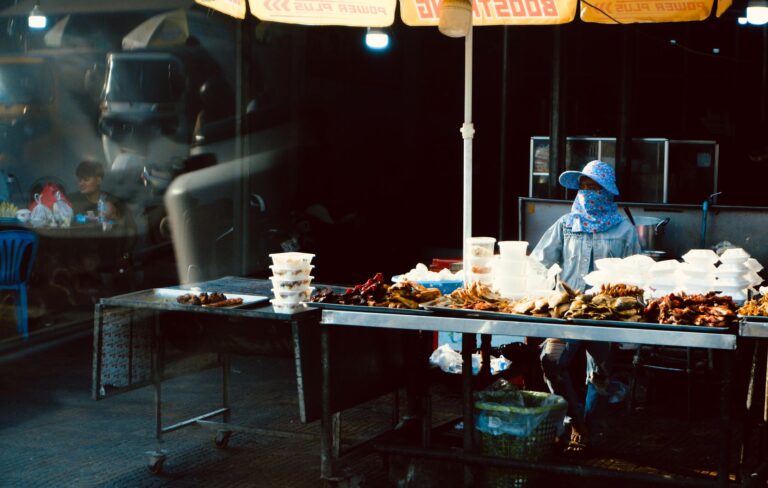
Tokyo
Tokyo Bangkok
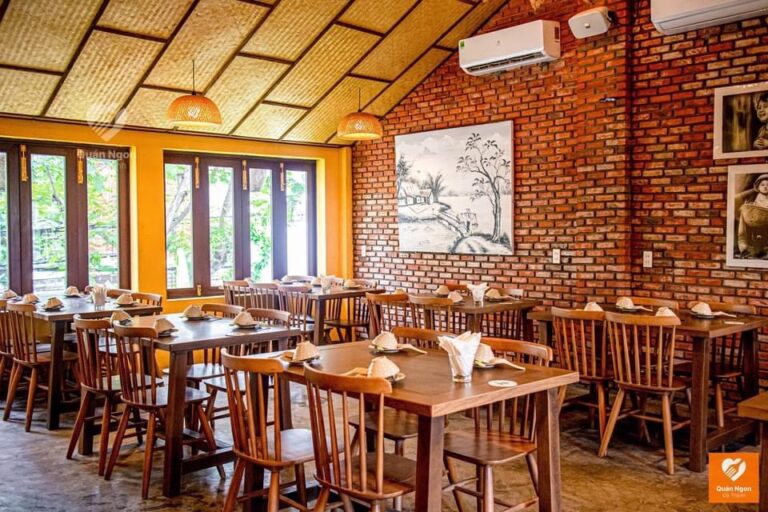
 Seoul
Seoul Singapore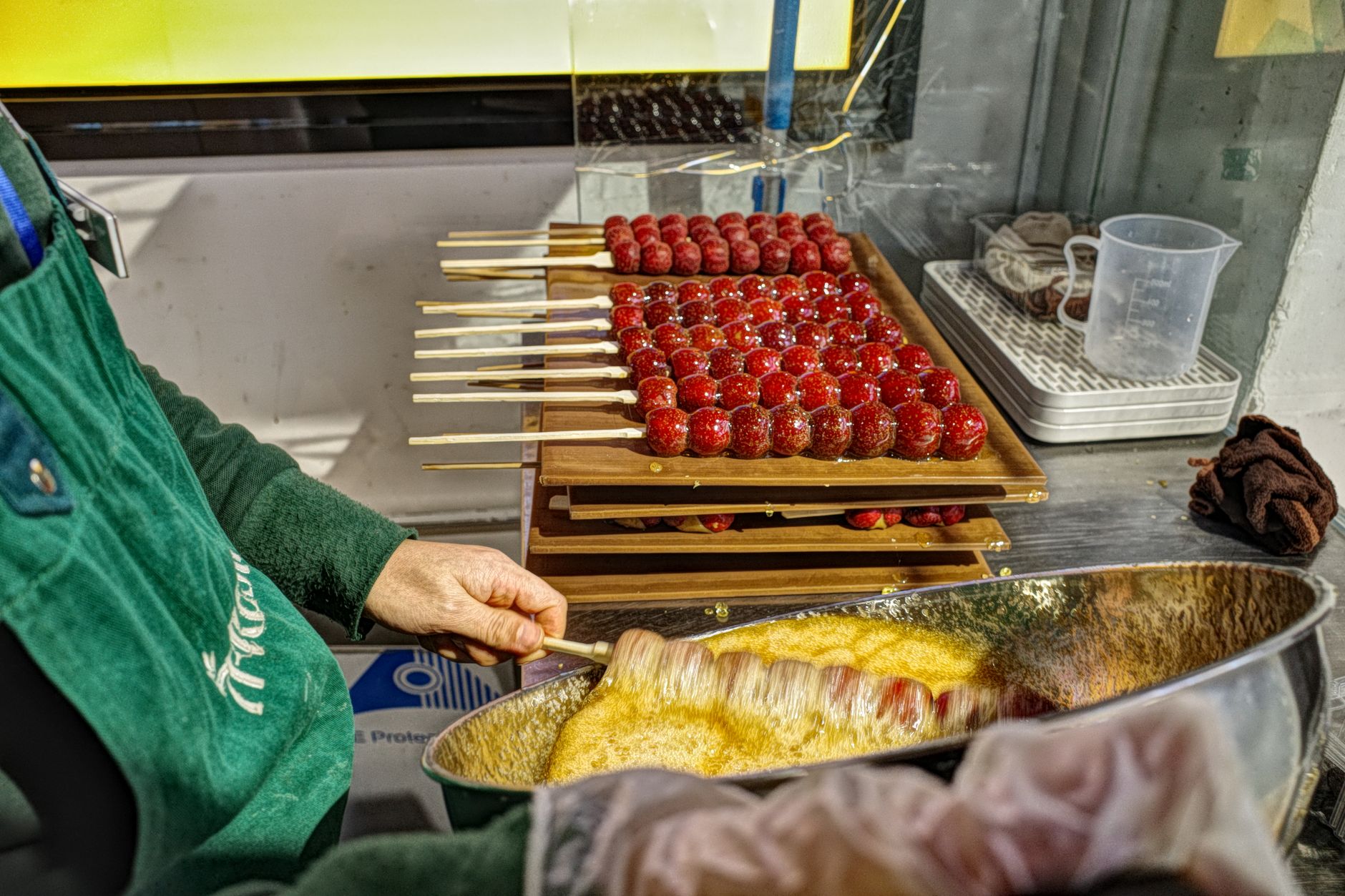
Best Asian Street Food on TikTok: 440M Views Reveal Real Trends
#asianstreetfood: 440 Million Views and Still Going Strong
With 440.2 million views on TikTok, #asianstreetfood gives us a real-time look at what people actually love about Asian food culture. Forget critics and polished reviews—this is raw, unfiltered appetite in action. The numbers don’t lie: street food isn’t just popular. It’s changing how travelers hunt down authentic eats.
Who’s Running the Show
Korean street food tops the charts. @야미푸드 YUMMY FOOD’s 122-second clip of sizzling snacks racked up 70.8 million views, 1.2 million likes, and 21,000 shares. Their ham egg toast follow-up? Another 25.3 million views. No fancy edits, just pure food action—and way more engagement than most TV food shows.
Taiwan holds its own. @푸딩 Fooding’s 63-second video of Xindian egg pancakes hit 20.5 million views. A Shilin District squid grill session pulled 13.9 million views and 228,000 likes—proof people aren’t just watching, they’re craving.
Thailand’s night markets crush it too. @biteswithlily’s 69-second Train Night Market tour got 10.7 million views and 1.1 million likes. Smart tags (#nightmarket #foodmarket #bangkok) plus quick cuts of dishes = instant FOMO (and 37,000 shares).
What Works
Three formats dominate:
- Pinpoint guides: Videos with exact locations (Google Maps links included) win big. @푸딩 Fooding’s address-heavy posts get shared like crazy—because “where?” is the first question everyone asks.
- Price tags matter: @nativetyfood’s $2.80 Taiwanese fried chicken hit 5.8 million views. @Roma โรม่า’s $2.17 dancing shrimp salad? 4.6 million. Cheap eats = guaranteed clicks.
- Process porn: Watching food get made beats static shots every time. YUMMY FOOD’s 122-second noodle prep and @nativetyfood’s 129-second grill sessions prove technique is half the appeal.
Trends You Might’ve Missed
Korean street food’s takeover is no accident. Egg toast and spicy chicken aren’t new, but they’re now global reference points. Same goes for Taiwanese egg pancakes—a 10-second staple turned TikTok legend.
Thai vendors get it. Dancing shrimp and live squid grills aren’t just meals, they’re shows. People want the sizzle as much as the flavor.
Longer videos can work too. @묵짜 MUKJJA’s 179-second jjajangmyeon deep dive scored 4.4 million views. Turns out, if the content’s good, viewers stick around.
TikTok as Your Food Compass
It’s not just entertainment—it’s a travel tool. Search #asianstreetfood plus any city (Bangkok, Taipei, Seoul) and you’ll find crowdsourced recs with built-in credibility. 20+ million views means real people vouching for it.
Google Maps links in descriptions are key. Creators know you’re here to eat, not just dream. That practicality sets TikTok apart from Instagram’s pretty-but-useless food pics.
Why TikTok Wins
Old-school food media needs PR teams and critics. TikTok? A vendor with a phone can outshine a magazine feature. The algorithm cares about real engagement, not ad budgets.
Those 440.2 million views? They’re from people saving videos, texting friends, and booking flights. For hungry travelers, TikTok’s the closest thing to a local whispering in your ear: “Eat here.”