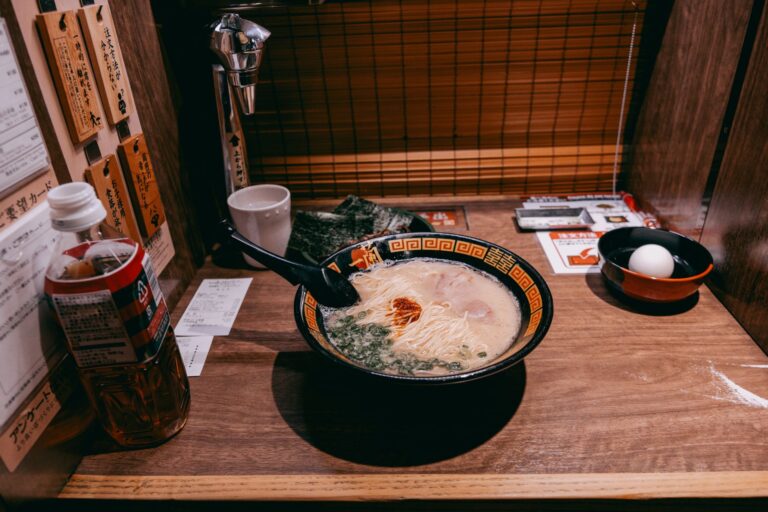
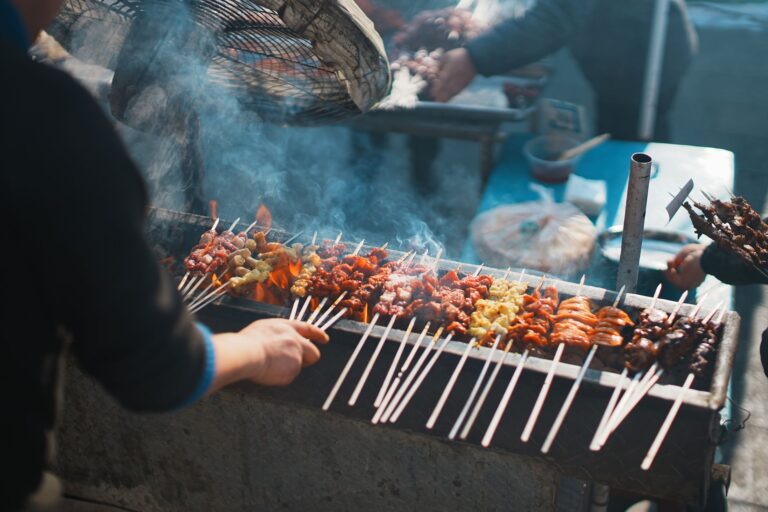
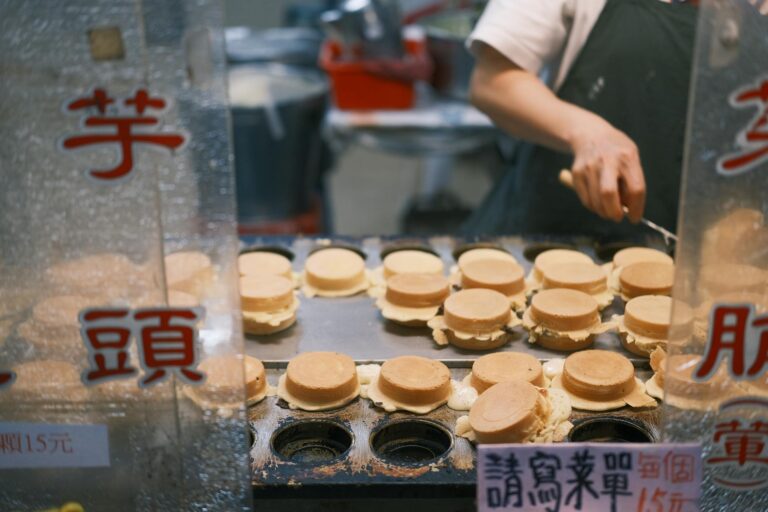
Tokyo
Tokyo Bangkok
 Seoul
Seoul Singapore
Fish Sauce: The Umami Secret Weapon of Southeast Asian Cooking
Fish sauce hits your nose like a tidal flat at low tide—funky, briny, unmistakable. But just a teaspoon can turn bland broth into something you’ll crave seconds of. This isn’t hype; it’s science in action, and it’ll change how you cook Southeast Asian dishes.
Fish Sauce Contains More Free Glutamates Than Aged Parmesan
At its core, fish sauce is just anchovies and salt left to ferment for 6-18 months in wooden barrels. As it ages, enzymes break down fish proteins into glutamates—the same savory compounds found in aged Parmesan, ripe tomatoes, and mushrooms. Tests show good Vietnamese fish sauce packs 1,200-1,600 mg of glutamates per 100ml. That’s more than Parmigiano-Reggiano’s 1,200 mg per 100g. The kicker? Fish sauce delivers this umami punch in liquid form, ready to boost any dish instantly.
Quality matters. Brands like Red Boat, Three Crabs, and Megachef use just two ingredients: fish and salt. Cheaper options often add fillers like hydrolyzed wheat protein or sugar, which mutes the complex flavors and leaves a weird aftertaste. Stick to bottles with short ingredient lists. Vietnamese and Thai fish sauces differ too—Vietnamese versions tend cleaner and more mineral, while Thai ones bring more funk. Both have their place.
That strong smell? It’s working as intended. The same sulfur compounds that give fish sauce its signature aroma also show up in aged beef, blue cheese, and truffles. Your brain reads them as deep, savory goodness. When heated or mixed into food, the funk fades, leaving pure umami behind.
Use It as a Seasoning Salt Replacement, Not a Condiment
Most people use fish sauce wrong—drizzling it on at the end like soy sauce. Big mistake. It needs time and heat to work its magic. In pho, it goes in the broth from the start. Thai curries get it mixed with the paste early on. Filipino adobo? It’s in the braising liquid from day one. This gives the glutamates time to spread their wings.
Start with a teaspoon per quart of liquid and adjust. Done right, you won’t taste “fish sauce”—you’ll just notice everything tastes more like itself. Chicken soup tastes chicken-ier. Stir-fried veggies gain depth without turning seafood-y. That’s the umami effect: it amplifies what’s already there.
Best uses: long-cooked dishes like stews, braises, and soups where you’d normally use salt. A dash works wonders in chili, bolognese, or beef stew because they’re already umami-heavy. Think of fish sauce as a flavor booster, not the main event.
The Honest Truth: It’s Not Essential, But It’s Irreplaceable
Sure, you can make pho without fish sauce. Your pad thai will still taste fine without it. But you’re making a different dish—like spaghetti without tomatoes or pizza without cheese. Fish sauce isn’t some trendy hack; it’s as fundamental to Southeast Asian cooking as soy sauce is to Japanese cuisine.
Western cooks often treat fish sauce like some exotic secret weapon. In Vietnam or Thailand? It’s as normal as ketchup. That perspective shift matters. Once you realize fish sauce is just fermented fish—no weirder than Worcestershire sauce—the smell stops being an issue. You’re not eating fish sauce; you’re eating food seasoned with it.
Here’s why it stuck around: coastal Southeast Asia had tons of fish and valued salt. Fermenting them together created a seasoning that kept for months without refrigeration. Today, it’s still the backbone of regional cooking because nothing else does quite what it does.
Grab a bottle of Red Boat or Three Crabs. Try a teaspoon in your next soup or stew. Taste the difference. You’ll get why Southeast Asian kitchens won’t work without it.