| |

Pho vs Ramen: Beef Broth and Pork Bone Compared

In Hanoi, you don’t wake up thinking about pho—you just eat it. Same with ramen in Tokyo. These aren’t special-occasion meals or things you plan around. They’re what you grab before work, what you eat when you’re tired, what feeds you when money’s tight. Understanding the difference between these two soups means understanding how two countries built their food cultures around completely different cooking philosophies.

The Broth Foundation: Why Beef and Pork Matter

Vietnamese pho relies on beef bones simmered for 12 to 24 hours—typically knuckle bones, leg bones with marrow, and sometimes beef brisket. The broth stays relatively clear, its color coming from caramelized onions and ginger charred directly over flame, not from the bones themselves. In Saigon, a pho vendor might start their broth at 4 AM to serve lunch crowds. The beef flavor is subtle, almost transparent—it’s there to support, not dominate.

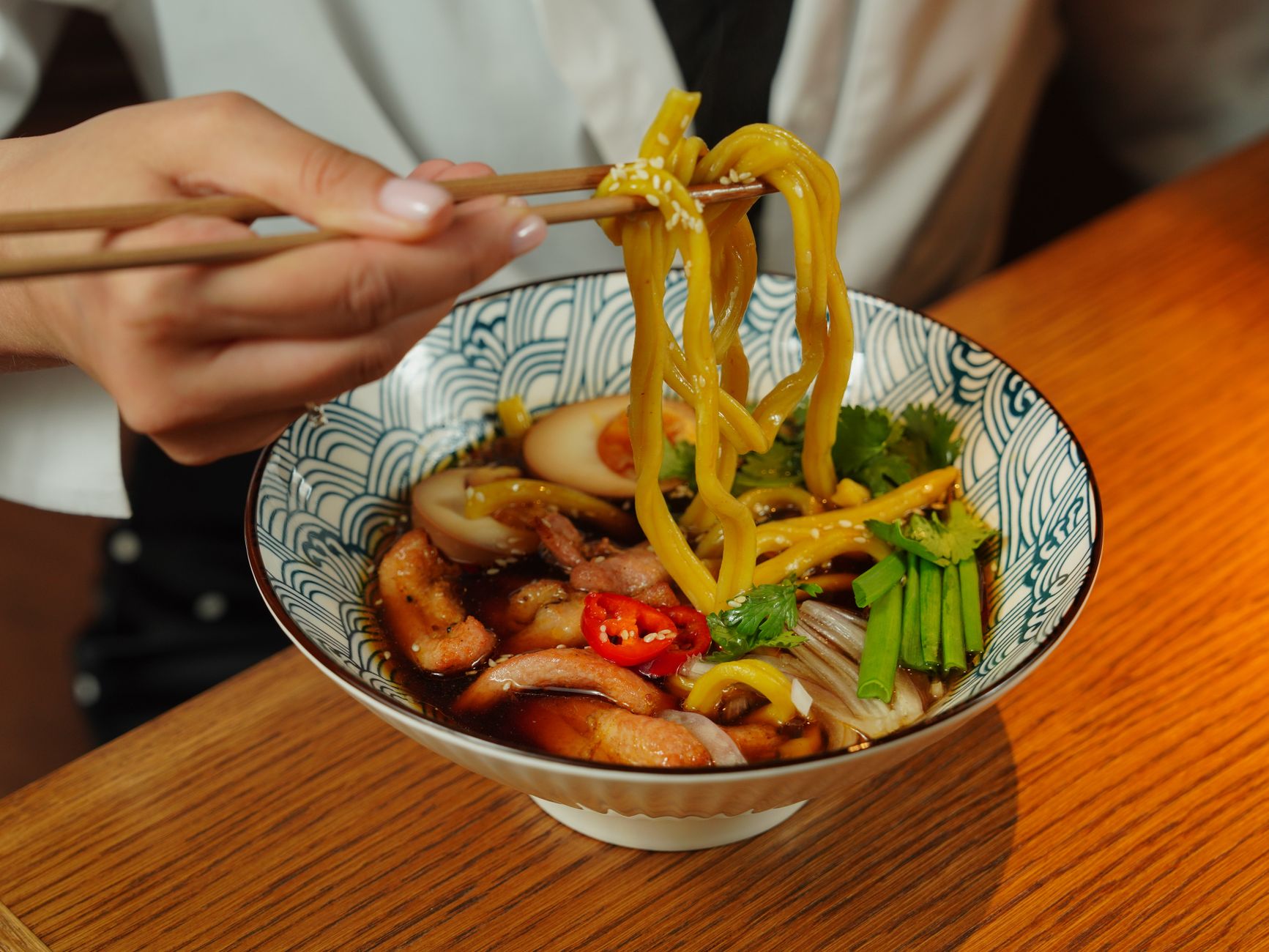
Japanese ramen uses pork bones almost exclusively, particularly pork neck bones and femurs, sometimes combined with chicken. The broth simmers for 18 to 48 hours at a rolling boil, creating a milky-white tonkotsu style that’s become iconic. This aggressive boiling breaks down collagen into gelatin, giving the broth body and richness. A ramen shop in Fukuoka treats their broth like a living thing—some have been maintaining the same pot for decades, adding bones daily to maintain consistency. The pork flavor is forward, fatty, unmissable.

Technique and Flavor Profile: Two Different Philosophies

Pho broth is about restraint. The aromatics—star anise, cinnamon, coriander seeds, cloves—are toasted before simmering, and they’re used sparingly. The goal is a clean, almost delicate broth where you can taste individual components. Locals in Ho Chi Minh City will taste a bowl and immediately know if the vendor used too much spice or if the broth was rushed. The beef provides umami depth without overwhelming the palate. You eat pho with fresh herbs—Thai basil, cilantro, sawtooth coriander—tearing them into the bowl as you eat, which becomes part of the experience.

Ramen broth is about intensity. The pork fat emulsifies into the broth through hours of aggressive boiling, creating a creamy texture that coats your mouth. Tare—a concentrated flavoring base made from soy, miso, or salt—gets added to each bowl, layering additional depth. In Osaka, you’ll find ramen shops that use tonkotsu broths so rich they’re almost opaque. The noodles themselves are typically curly and alkaline, designed to hold onto this heavy broth. Ramen is a complete meal in the bowl; you’re not adding fresh herbs to lighten it.

When and Why Locals Actually Eat These

In Vietnam, pho is breakfast food. You eat it standing at a plastic stool before work, slurping quickly because the broth cools fast. It’s affordable—a bowl costs the equivalent of a few dollars—and it’s fuel. The lightness matters here; you need something that sits well before a full day of work. Pho appears again at lunch for some, but dinner pho is less common in most regions.

Ramen in Japan serves different purposes depending on the time and context. Late-night ramen after drinking is standard. Lunch ramen is a proper meal. Some Japanese people eat ramen several times a week without thinking twice about it. The richness and calories make sense for these contexts—you need something substantial. The broth temperature, the noodle texture, the specific tare used—these variations matter intensely to regular customers who have their preferred shop and order.

If you’re choosing between these two, consider what you actually want: a light, herbaceous soup that refreshes, or a rich, intense bowl that satisfies completely. Both are designed for regular consumption, not occasional indulgence. Pick the one that matches your hunger.

Priya Nair
About the Author
Priya Nair

Priya Nair is WokFeed's South and Southeast Asian food specialist. Born in Mumbai and now based in London, she writes about Indian street food, Thai cuisine, and Vietnamese cooking. Priya believes the best food stories are found on plastic stools, not in Michelin-starred restaurants.

📊 Data Sources & Editorial Standards
📍 Google Maps✍️ Editorial Research

WokFeed's restaurant guides are compiled from real traveler data, on-the-ground research, and cross-verified across multiple platforms. Our editorial team fact-checks all recommendations before publication.

Similar Posts