Tokyo
Tokyo Bangkok
 Seoul
Seoul Singapore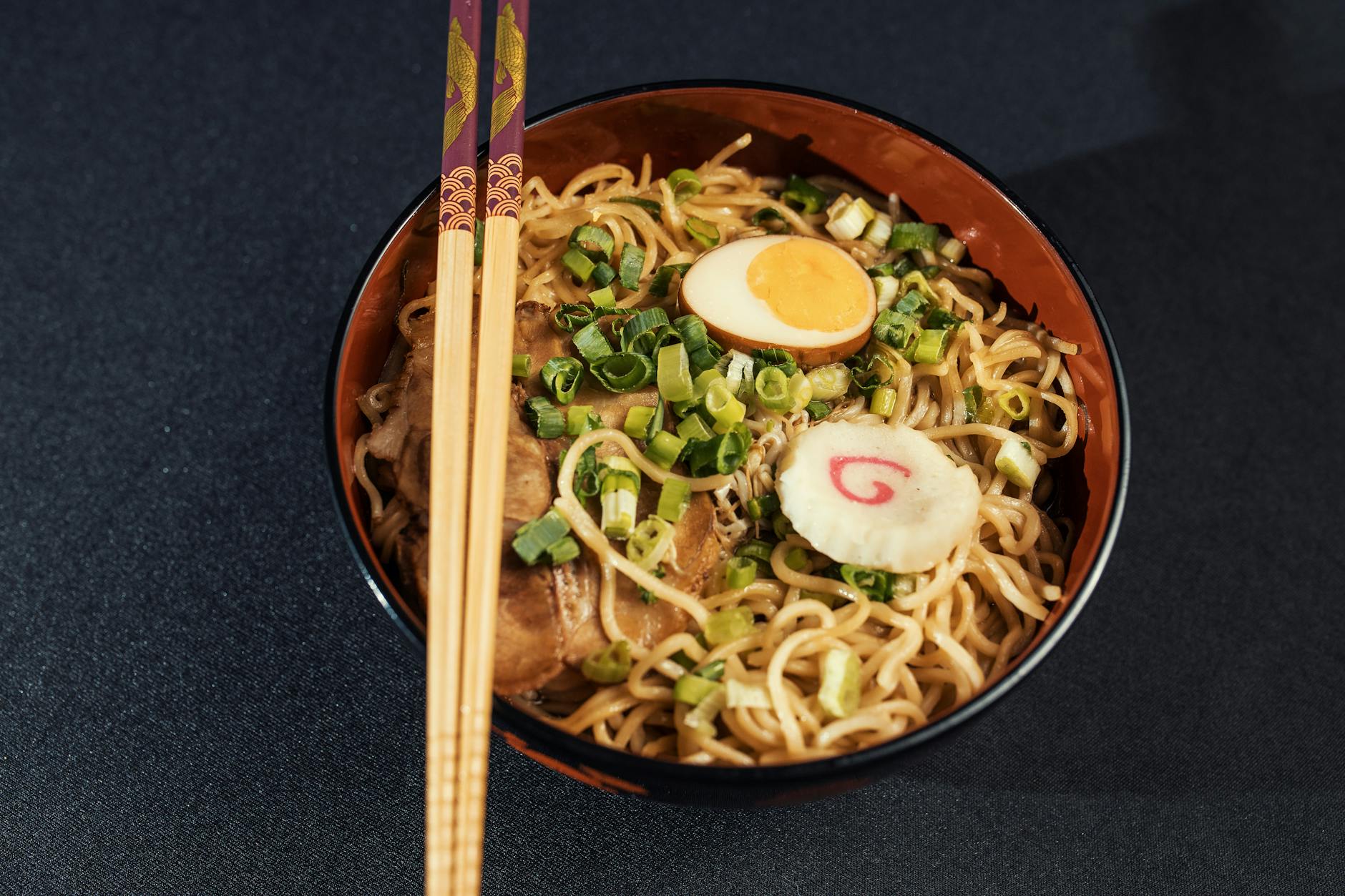
Tonkotsu Ramen Recipe: Authentic Japanese Technique
The first thing you notice is the smell—rich, meaty, slightly sweet—wafting from a tiny stall in Fukuoka’s Yatai district as night falls. Steam clouds your face while the cook pours milky broth over chewy noodles. That’s tonkotsu ramen. After tasting countless bowls across Japan, here’s how to make the real deal at home. Simple? Yes. Easy? Not exactly.
The Bone Broth That Takes 12 Hours
Tonkotsu doesn’t forgive shortcuts. Get pork bones—neck, leg, and knuckle work best. About 4 pounds from a good Asian butcher. The magic happens at a 4:3 bones-to-water ratio. Boil hard for 5 minutes, then dump that cloudy water. Start fresh. Keep it at a bare simmer for half a day. Too hot and your broth turns thin and weak. Toss in some ginger and onion after the first hour. No other seasonings yet. When done right, the broth turns opaque white, almost like cream. Strain it well. Three gallons of water shrinks down to 2 quarts of liquid gold.
The Tare and Toppings That Define Your Bowl
Fukuoka-style tare keeps it basic: soy sauce, salt, maybe sesame oil. Try 1 cup soy, 2 tablespoons salt, 1 tablespoon sesame oil. Some shops add sugar, but purists skip it. Use about 2 tablespoons per bowl. Now the good stuff—toppings. Chashu pork belly is essential. Buy a 2-pound slab, roll it tight, tie it up. Braise for 2.5 hours in soy-mirin-sake-ginger bath at 325°F. Slice thin. Don’t forget the 6-minute egg, scallions, pickled ginger, and that crucial nori sheet. Hakata spots sometimes add wood ear mushrooms or sesame seeds. That seaweed isn’t just for looks.
The Noodles and Final Assembly
Here’s where home cooks mess up. Dried spaghetti won’t cut it—get proper fresh ramen noodles, the wavy kind. Online or Japanese markets sell them. Boil for exactly 2 minutes in salty water, then drain fast. Heat your broth to boiling while you cook noodles. Mix 1.5 cups broth with tare in your bowl. Add noodles. Top with chashu, egg, veggies. Eat now. Perfect noodles turn mushy fast—you’ve got about a minute before they’re ruined. Watched a ramen master in Tenjin work once. Surgical precision. The broth should taste clean but porky, never greasy, with that signature white color from hours of bone cooking. First try won’t be perfect. Fourth might come close. That’s the fun part.