Thai Sticky Rice Mango: Street Vendor Technique at Home

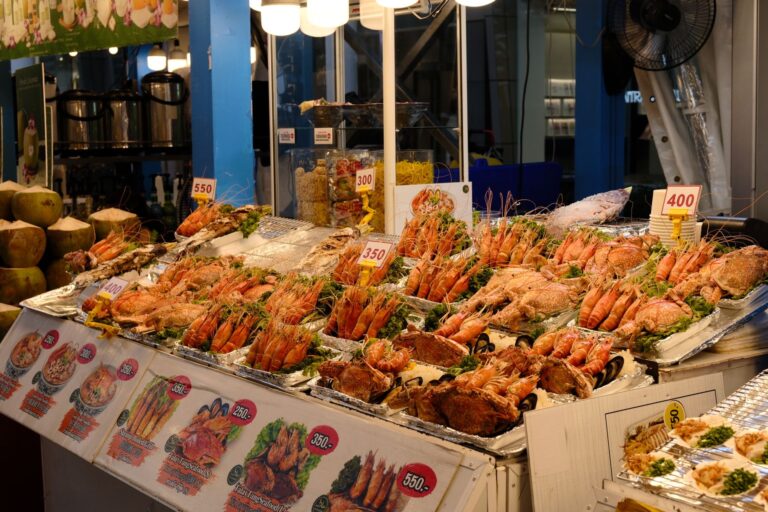
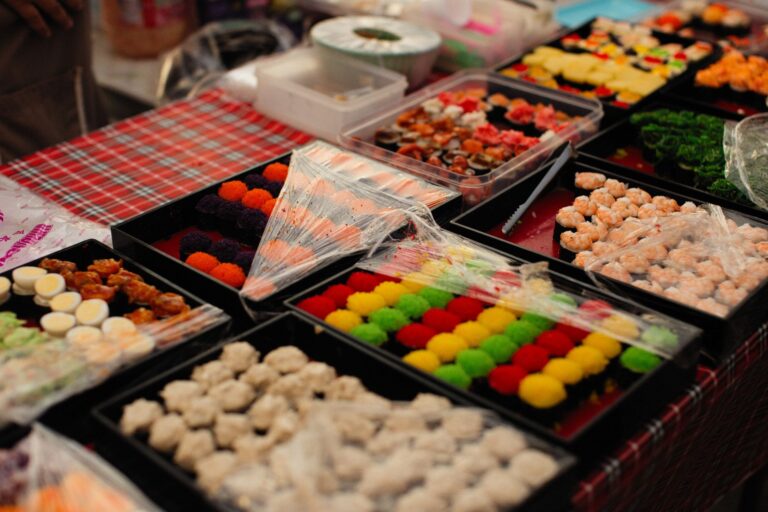
I learned to make sticky rice mango on a sweltering afternoon in Chiang Mai, standing beside a vendor’s cart near the night bazaar. She was whisking coconut cream into warm sticky rice with the kind of focus most people reserve for important decisions. That’s when I realized: this dessert isn’t about the mango alone. It’s about understanding how salt, sugar, and heat work together to make something genuinely crave-worthy.

Why Your Sticky Rice Needs Salt, Not Just Sugar

The biggest mistake I made at first was treating sticky rice like a sweet pudding. I’d dump in sugar and wonder why it tasted one-dimensional. The vendor in Chiang Mai set me straight immediately: sticky rice needs salt to sing.

Here’s the technique: cook your sticky rice (use glutinous rice, also called sweet rice) in a rice cooker or pot with a 1:1 water ratio. While it’s still steaming hot, transfer it to a bowl and stir through a mixture of 1 cup coconut milk, ½ cup sugar, and 1½ teaspoons salt. The salt isn’t there to make it savory—it’s there to amplify the sweetness and make the coconut flavor pop. This is the same principle Thai cooks use in curries and soups. When you taste it, you’ll notice the sweetness comes forward more clearly, almost like turning up the volume on a song.

Let the rice sit for 15 minutes, covered. This resting period lets the rice absorb the coconut mixture evenly. You’ll see the grains turn slightly translucent and smell that unmistakable coconut aroma.

Choosing Your Mango and Adding the Sour-Spicy Element

In Thailand, vendors use Nam Doc Mai or Ataulfo mangoes—varieties that are sweet without being cloying. If you’re shopping in Western supermarkets, look for mangoes that yield slightly to pressure and smell fragrant at the stem end. Avoid anything too soft; you want the flesh to have some structure so it doesn’t collapse against the rice.

Here’s where most home cooks miss an opportunity: the mango needs seasoning too. In Bangkok and Phuket, vendors dust their mango slices with a pinch of salt and sometimes a tiny amount of chili powder or fresh lime juice. This isn’t about making it spicy—it’s about creating contrast. The salt brings out the mango’s natural sweetness, while a whisper of lime or mild chili (Thai bird’s eye chili, finely ground) adds a subtle note that keeps your palate interested.

Slice your mango lengthwise around the pit, then score the flesh in a crosshatch pattern. Scoop the cubes into a small bowl and season with just a pinch of sea salt. If you’re using lime juice, add ¼ teaspoon to the mango—not enough to taste overtly citrusy, just enough to brighten things.

Assembly and the Coconut Cream Finish

Now comes the final touch that separates street-vendor sticky rice from ordinary versions. Warm your coconut cream (the thick part from a can of full-fat coconut milk) gently in a small pot with a tiny pinch of salt. You’re not cooking it; you’re just warming it to pourable consistency.

On a plate, arrange a generous spoonful of sticky rice to one side. Fan your mango slices alongside it. Drizzle the warm coconut cream over everything—not just on the rice, but also over the mango. This final drizzle is crucial. The warmth of the cream contrasts with the cool mango, and it brings all four flavor elements together: the sweetness of rice and mango, the salt that amplifies both, the subtle sour from lime, and if you’ve added it, that gentle heat from chili.

The first time you make this properly, you’ll understand why people line up for sticky rice mango in Thailand. It’s not complicated, but it does require paying attention to balance. Make this once, and you’ll never order the mediocre versions again.

Priya Nair
About the Author
Priya Nair

Priya Nair is WokFeed's South and Southeast Asian food specialist. Born in Mumbai and now based in London, she writes about Indian street food, Thai cuisine, and Vietnamese cooking. Priya believes the best food stories are found on plastic stools, not in Michelin-starred restaurants.

📊 Data Sources & Editorial Standards
📍 Google Maps✍️ Editorial Research

WokFeed's restaurant guides are compiled from real traveler data, on-the-ground research, and cross-verified across multiple platforms. Our editorial team fact-checks all recommendations before publication.

Similar Posts