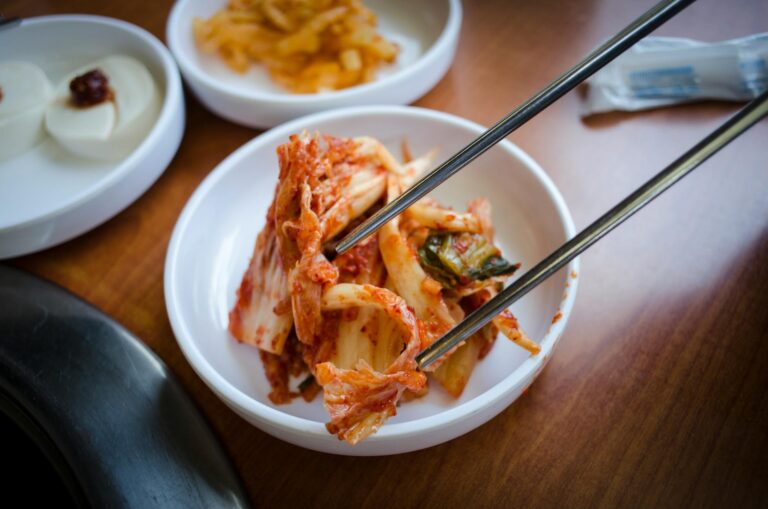
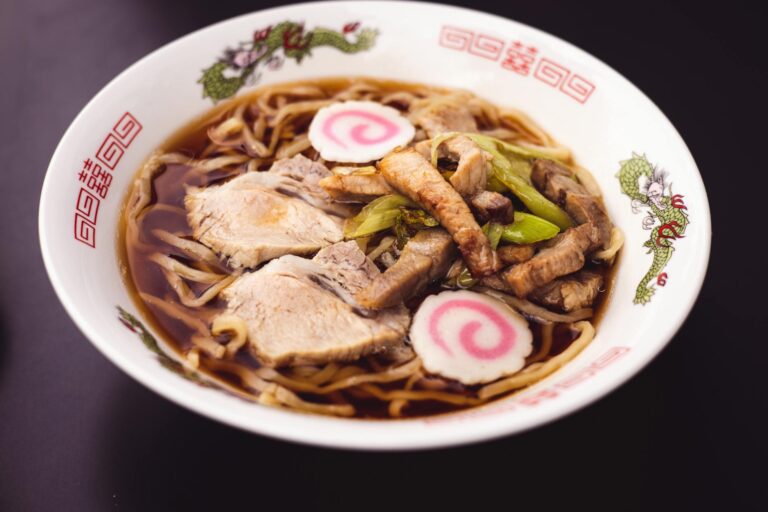
Tokyo
Tokyo Bangkok
 Seoul
Seoul Singapore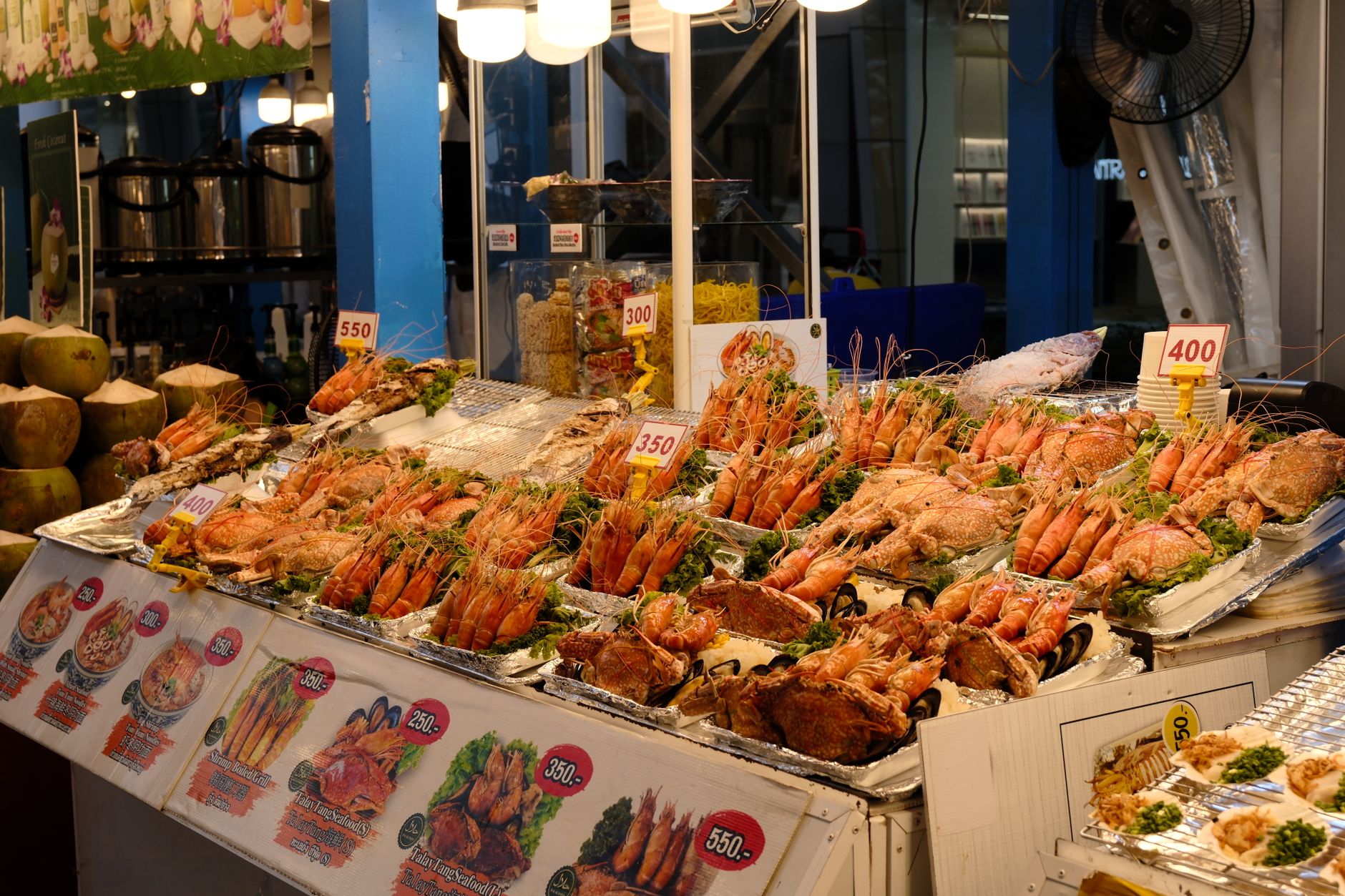
Rice Vinegar in Asian Cooking: The Complete Guide
In 1868, Japan’s Meiji government sent culinary delegations abroad with bottles of rice vinegar packed like diplomatic treaties. This wasn’t just tradition—rice vinegar preserved food, balanced flavors, and gave sushi its signature tang. Most people don’t know this mild vinegar wasn’t created for delicate dishes. It came from necessity, born in rice-farming regions where preserving surplus grain meant survival before refrigeration.
How Rice Vinegar Actually Gets Made
The process starts with fermentation, but rice vinegar plays by different rules than wine or apple cider vinegar. In Japan and China, koji mold breaks down rice starches into sugars. Yeast ferments this into alcohol, then acetic acid bacteria work their magic over weeks or months. The result? A gentler vinegar at 4-5% acidity—white vinegar punches harder at 5-8%. Japanese varieties from places like Aichi Prefecture (home to Mizkan, the world’s biggest producer) lean sweet. Chinese Zhenjiang vinegar, made from glutinous rice in Jiangsu, goes deeper with molasses-like notes. Wooden barrels add complexity that steel tanks can’t match.
Why Sushi Rice Demands This Specific Vinegar
Sushi rice lives or dies by rice vinegar’s chemistry. When chefs mix it with sugar and salt into warm rice, they’re not just seasoning—they’re creating the perfect environment to keep grains separate and moist. The mild acidity enhances without overpowering the fish. Try using white or balsamic vinegar instead and you’ll see the difference immediately—too harsh or too sweet. That’s why sushi spots from Tokyo to London stick with Japanese rice vinegar. For home cooks, brands like Marukan work well, though purists might prefer unsweetened Komezu for total control.
Beyond Sushi: Rice Vinegar in Everyday Asian Cooking
Rice vinegar does way more than sushi. It’s the secret in Vietnamese nuoc cham, the bright note in Chinese stir-fries, the balancing act in Korean banchan. Vietnamese cooks rely on it for that perfect sweet-sour-spicy dip for spring rolls. In China, it finishes mapo tofu with just enough brightness to cut through chili heat. Korean gochugaru pastes often include it to tame fermented funk. The magic? Rice vinegar lifts other flavors instead of stealing the show. Keep a bottle handy for dressings, quick pickles, or to wake up braised dishes. Once you try it in a simple cucumber salad, you’ll understand why Asian kitchens always have some around.
New to rice vinegar? Start with the Japanese kind—it’s the most forgiving. Ready to experiment? Try Zhenjiang or Chinese black rice vinegar for deeper flavors. Your taste buds will get why this ingredient has stuck around for centuries.