Tokyo
Tokyo Bangkok
 Seoul
Seoul Singapore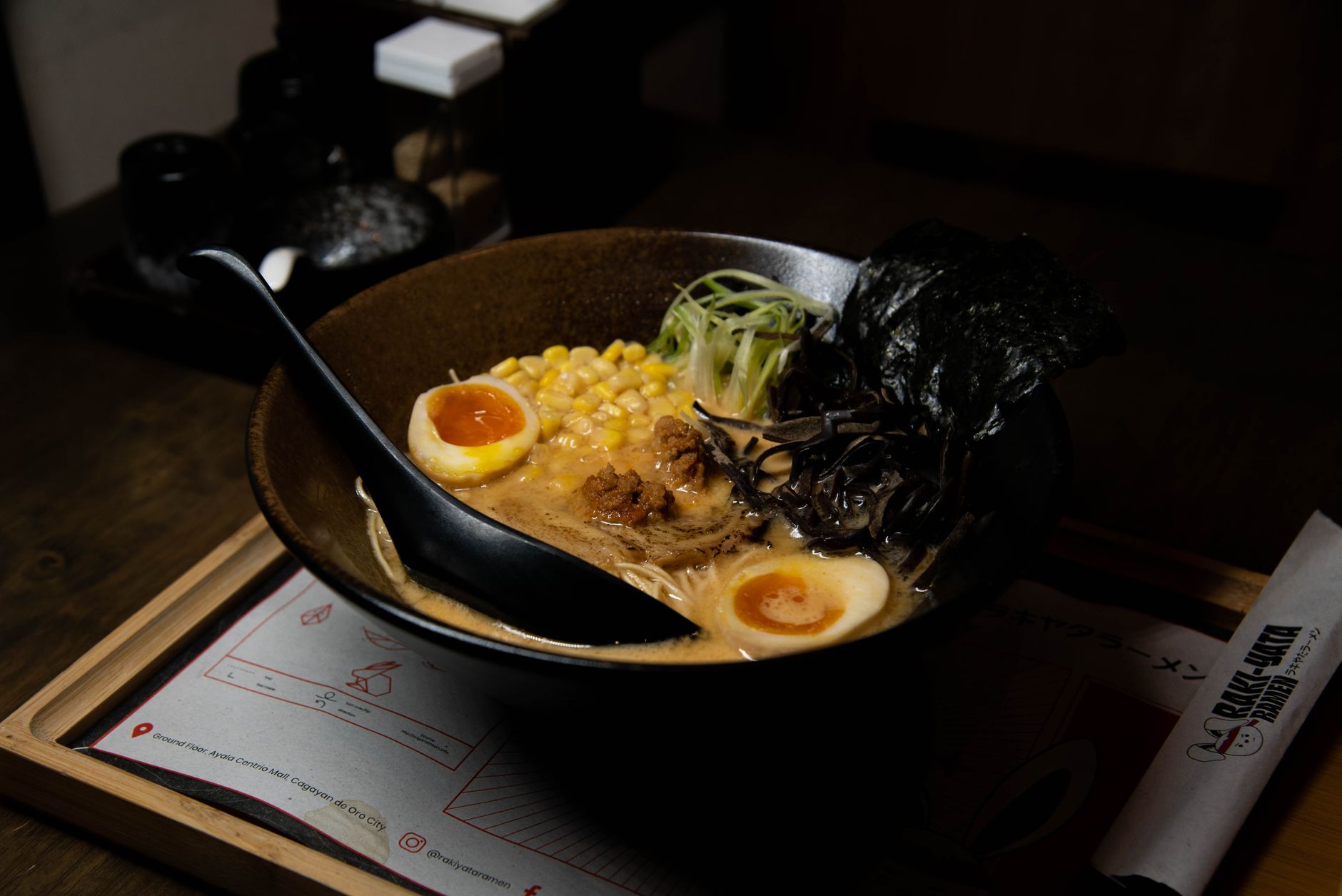
Perfect Shio Ramen Recipe: Master the Japanese Method
Most home cooks treat shio ramen like tonkotsu’s easier cousin. Big mistake. It’s not a shortcut—it’s a completely different beast. The standout shio broths in Tokyo’s Shibuya or Sydney’s Marrickville don’t try to mimic pork bone soup. They’re built to let salt work its magic, boosting umami without endless simmering. That’s the whole point.
The Broth Foundation: Why Kombu and Chicken Matter More Than You Think
Western kitchens often skip shio’s three-step broth process. First, kombu—go for Rausu from Hokkaido if possible, though London and Melbourne suppliers have solid backups. Soak 50 grams in 1.5 liters of cold water for 30 minutes. Heat slowly to 60°C, hold for 10 minutes, then yank the kombu before boiling. Gentle heat pulls out glutamates; boiling brings bitterness.
Now the chicken. Grab a 1.2kg pasture-raised bird. Blanch it in boiling water for two minutes to clean it up, then ice bath. Toss it into your kombu water with 150 grams of chicken bones, a smashed 5cm ginger knob, and six dried shiitakes. Two hours at a bare simmer. What you get? Light. Clean. Nothing like those murky beginner broths.
The Tare: Salt, Soy, and the Precision Most Recipes Ignore
Here’s shio’s make-or-break moment. The tare—that salty, savory base—calls for 30ml soy sauce (Kikkoman or San-J work), 15ml mirin, 10g sea salt, and 5g kombu powder. Warm just enough to dissolve the salt, then mix in 100ml of your strained broth. Let it cool.
Ratio is everything. A Fukuoka ramen shop taught me: weigh, don’t guess. Too much salt flattens the flavor; too little leaves it weak. Aim for 60ml tare per 400ml broth. It should taste present but not punch you in the face.
Toppings and Assembly: Where Technique Meets Restraint
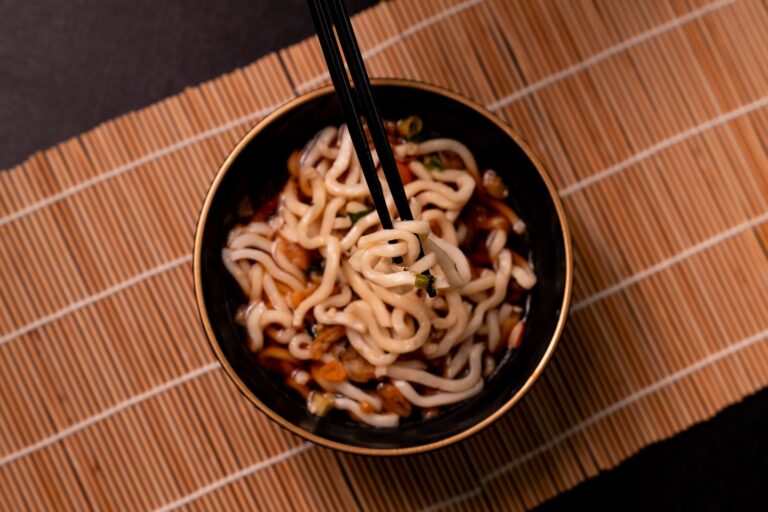
Good shio ramen knows when to stop. Soft alkaline noodles—90 seconds in boiling water, no more. Two slices of chashu (soy-mirin-sake braised, three hours). A halved soft egg, some blanched spinach, a few negi slivers. One nori sheet. Done.
Corn? Bamboo? Skip it. This isn’t a pantry dump. The broth’s the star. Noodles should peek through the liquid. And serve it hot—shio cools faster than rich broths, so warm your bowls first.
Make it twice before tweaking. First time, follow the rules. Second time, listen to your tongue. That’s how you go from copying to actually getting it.