Tokyo
Tokyo Bangkok
 Seoul
Seoul Singapore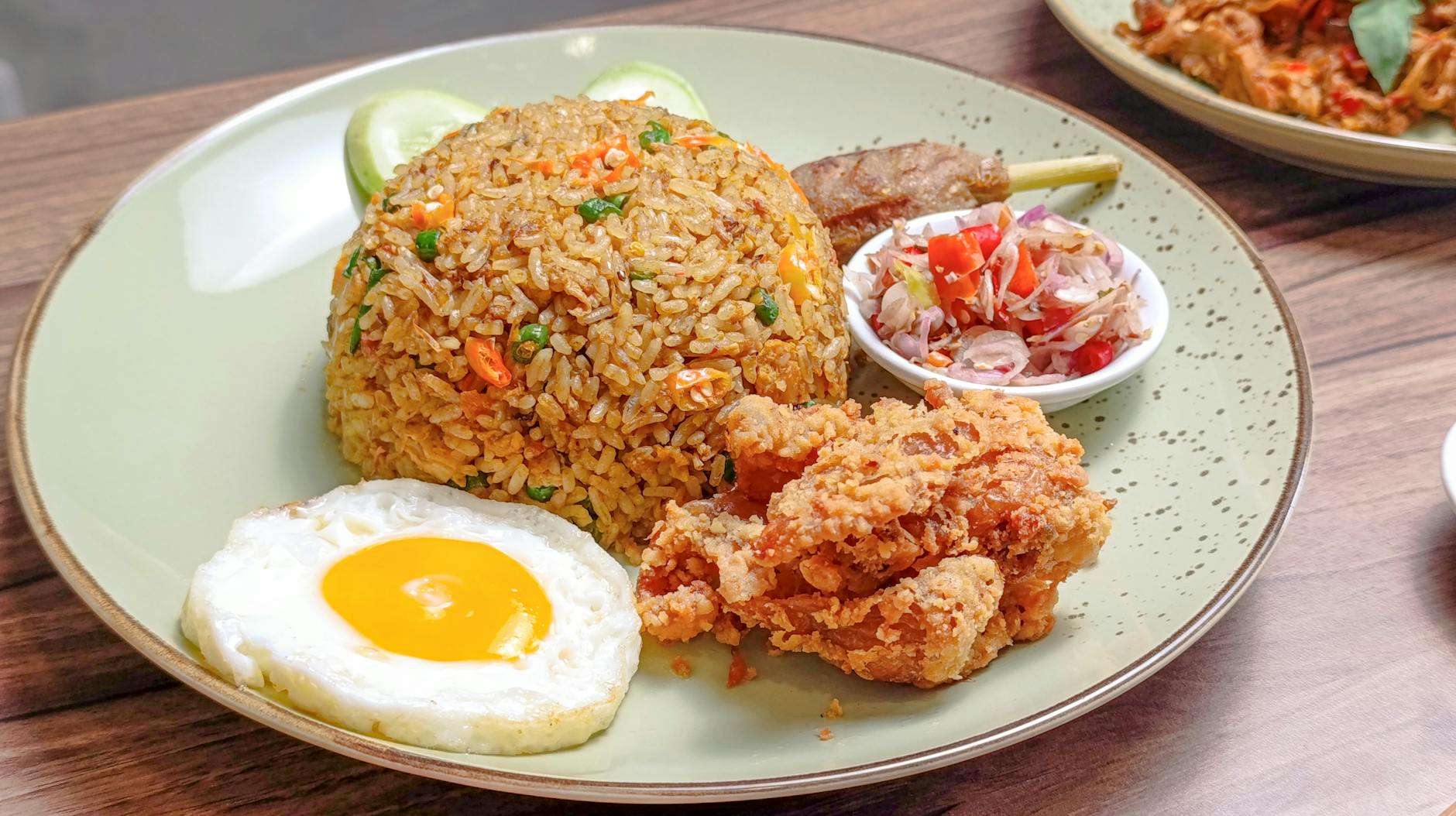
Make Nasi Goreng Paste at Home: The 3-Ingredient Base
You’ve made fried rice a hundred times at home and it tastes nothing like the nasi goreng you ate in Jakarta. The problem isn’t your technique—it’s that you’re missing the paste. Most Western recipes skip the foundational step that separates restaurant-quality nasi goreng from mediocre leftovers reheated in a pan.
Why Nasi Goreng Paste Is Not Optional
Nasi goreng paste is the flavor base that holds the entire dish together. It’s made from three non-negotiable ingredients: kecap manis (sweet soy sauce), shrimp paste (terasi), and shallots. When these three are ground into a paste and cooked in oil, they create the umami foundation that makes nasi goreng taste like nasi goreng rather than generic fried rice.
A good paste should be dark brown, almost black, with a concentrated aroma—pungent from the shrimp paste, sweet from the kecap manis, and sharp from the raw shallots. The texture matters too. You want something between a thick paste and a loose sauce, something that will coat each grain of rice evenly. Most home cooks either skip this step entirely or make it too wet, which dilutes the flavor and leaves you with greasy rice instead of properly seasoned grains.
The difference between a mediocre bowl and a good one comes down to this paste. Indonesian cooks don’t measure it precisely because they’ve made it hundreds of times, but the ratio that works is roughly 3 tablespoons kecap manis to 1 teaspoon shrimp paste to 4-5 medium shallots.
The Exact Method: What Goes in the Mortar First
Start with the shallots. Peel them, slice them thin, and pound them in a mortar and pestle first. Don’t skip to a food processor—the friction from pounding releases their oils and creates a different texture than blending. Work for about two minutes until you have a rough paste with visible shallot pieces still visible. This matters because shallots need to break down by hand pressure, not just be liquefied.
Add the shrimp paste next. Use about one teaspoon per four servings. The paste should be pinkish-brown and smell intensely of the ocean and fermentation. If it smells like nothing, it’s old or low quality—replace it. Pound this into the shallots for another minute. The combination will smell sharp and slightly unpleasant at this stage. That’s correct.
Pour in the kecap manis last. Use a good brand—ABC or Bango are available in most Western supermarkets now and are worth buying specifically for this. Stir it in rather than pound it. You want a thick, spoonable paste that’s almost black. If it’s too thin, let it sit for five minutes—the starches in the kecap manis will thicken it slightly.
Heat about two tablespoons of neutral oil in a wok or large pan over medium heat. Add the entire paste and cook it for three to four minutes, stirring constantly. This step is crucial. The paste needs to fry in the oil so the flavors meld and the raw shallot bite softens. You’ll know it’s ready when the oil separates slightly from the paste at the edges and the smell shifts from sharp to sweet and savory.
The Honest Truth About Shrimp Paste Quality
Most Western home cooks either can’t find decent shrimp paste or buy it and never use it because the smell is alarming. Here’s what actually happens: the smell is intentional and correct. Shrimp paste is fermented, and fermentation creates pungent compounds. If you’re uncomfortable with the smell, the paste will still work—the cooking process mellows it significantly. But if you’re using low-quality or old shrimp paste, the flavor will be flat and the paste won’t contribute the umami depth that makes nasi goreng distinct from Thai or Malaysian fried rice.
Buy shrimp paste from an Asian grocery store, not online if you can avoid it. Check the date. Store it in an airtight container in the refrigerator after opening. One jar lasts months because you only use a teaspoon at a time.
What to Do With Your Paste
Make the paste first, before you cook your rice. Have your cold cooked rice ready—day-old rice is ideal, broken up into individual grains. Once the paste is fried and fragrant, add your rice to the same pan and toss constantly for four to five minutes. The paste will coat the grains. Add your protein (shrimp, chicken, or just egg), vegetables, and a small splash of kecap manis at the end. The dish should be salty, sweet, and savory in equal measure.
Make nasi goreng paste from scratch the next time you cook fried rice instead of improvising with soy sauce and garlic. That single change will explain why restaurant versions taste better.