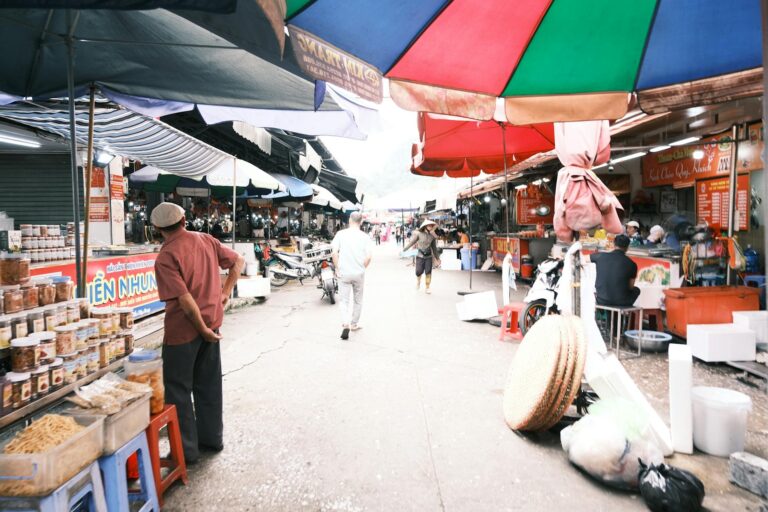
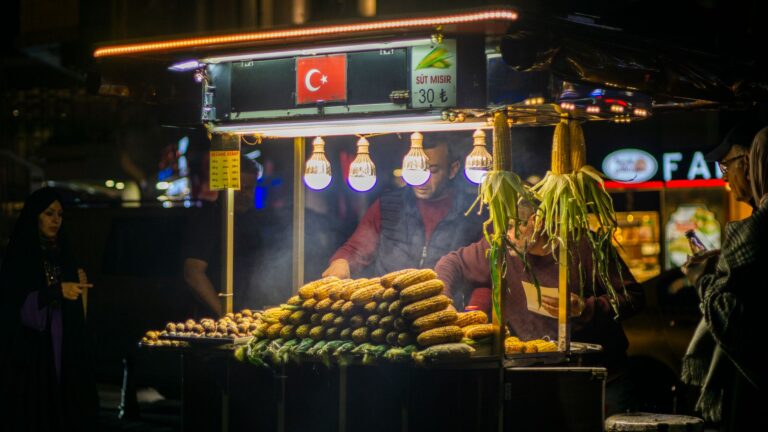
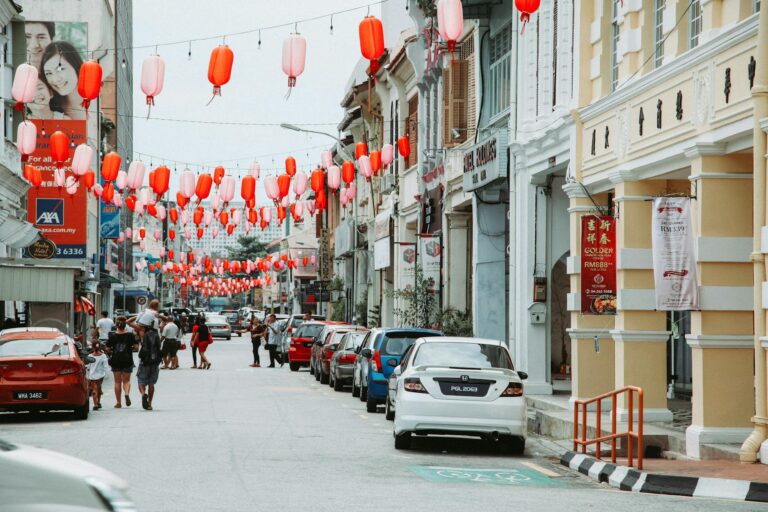
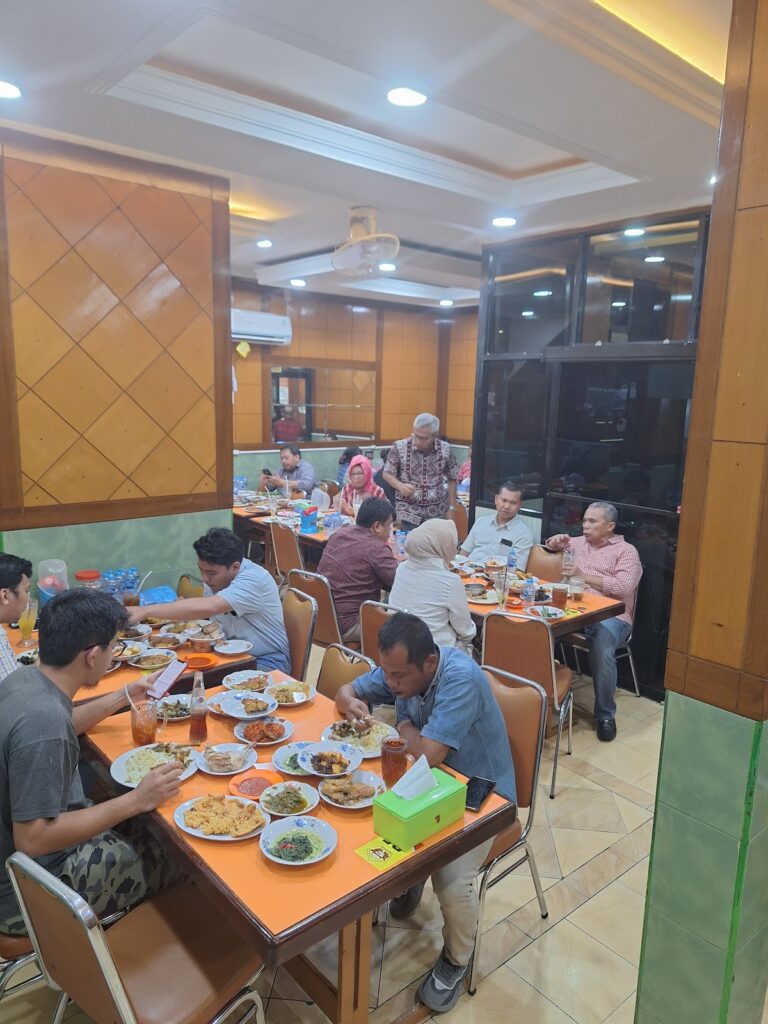
Tokyo
Tokyo Bangkok
 Seoul
Seoul Singapore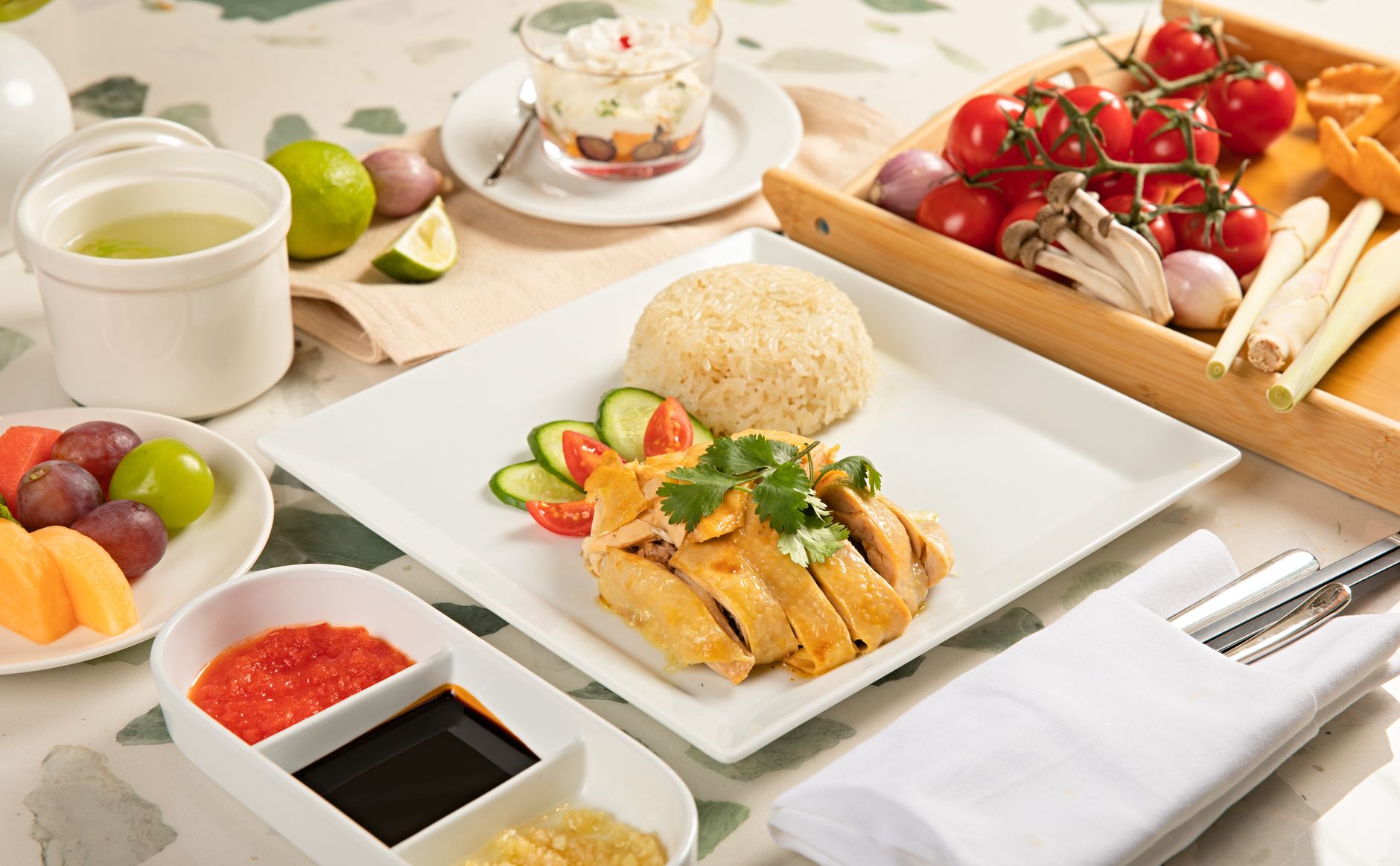
Hainanese Chicken Rice: Origins, Variations, and Where to Eat It
Hainanese chicken rice is a dish of profound simplicity that has become the unofficial national dish of Singapore and a cornerstone of Malaysian food culture. It consists of three elements: poached chicken (typically served at room temperature), rice cooked in chicken stock and fat, and three sauces—ginger, chili, and soy-based. There are no vegetables on the plate, no garnish beyond a thin slice of cucumber, no complexity beyond the careful execution of each component. Yet it remains one of Asia’s most beloved dishes, served in hawker centers, Michelin-starred restaurants, and home kitchens across Southeast Asia and the diaspora.
Origins and History
Despite its name, Hainanese chicken rice does not originate from Hainan province in southern China, though it is heavily influenced by Hainanese culinary traditions. The dish emerged in the early 20th century when Hainanese migrants arrived in Singapore and Malaysia as laborers and merchants. These immigrants adapted their poached chicken preparation—a classic Hainanese technique—to local tastes and available ingredients, notably incorporating jasmine rice and creating the distinctive ginger-chili sauce combination that defines the dish today.
The first documented Hainanese chicken rice stalls appeared in Singapore’s Chinatown in the 1920s-1930s, where the dish became a affordable, protein-rich meal for working-class populations. By the 1950s-1960s, as Singapore developed as a commercial hub, chicken rice transformed from street food into an everyday staple served across all social classes. The dish’s rise paralleled Singapore’s own development—humble origins, explosive growth, and eventual international recognition. Interestingly, the dish never gained the same prominence in Hainan itself; it is fundamentally a diaspora creation, shaped more by Southeast Asian availability and taste preferences than by the original province.
Regional Variations
While the core formula remains constant, regional and individual variations reveal significant differences in technique and philosophy.
Singapore: Singapore versions tend toward minimalism and precision. The chicken is typically younger (1-2 kg birds), resulting in more tender meat, and the rice is cooked with chicken fat rendered from the poaching liquid rather than additional oil. The sauces are balanced—none dominates. Singapore’s most famous practitioners, like Tian Tian Chicken Rice in Maxwell Food Centre, follow this restrained approach. Cucumber slices are standard; some stalls add a small portion of soup (the chicken poaching liquid) on the side.
Kuala Lumpur: Malaysian versions, particularly in Kuala Lumpur, tend toward richer, more assertive seasoning. The ginger sauce often contains more garlic and fermented bean paste (doubanjiang), and the chili sauce can be significantly hotter. Larger birds are common, sometimes resulting in slightly firmer meat. Some KL stalls serve chicken rice with an additional soup course or offer a choice between poached and roasted chicken, blurring into chicken-rice territory that’s technically distinct but served interchangeably.
Penang: Penang’s version reflects the state’s Chinese-Malaysian cultural synthesis. The rice is frequently cooked with more pork lard (if the stall isn’t halal) or ghee, creating a distinctly richer taste profile. The chicken sauce often incorporates more fermented ingredients. Some Penang stalls offer a significant variation: chicken cooked in a superior broth (superior stock, a Chinese cooking technique using dried seafood and aged ingredients), creating a more complex poaching liquid that changes the chicken’s flavor profile entirely.
What Makes a Great Hainanese Chicken Rice
The apparent simplicity of Hainanese chicken rice masks substantial technical challenges. Great versions depend on five factors:
Chicken Quality and Age: The bird must be fresh and relatively young (ideally 45-60 days old). Older birds develop tougher skin and require longer cooking, resulting in overcooked flesh. The chicken should be gently poached at 65-70°C (150-160°F) for 12-15 minutes until just cooked through; higher temperatures result in stringy, dry meat.
Poaching Liquid: Water alone produces insipid chicken. The best stalls poach in a stock made from chicken bones, ginger, and scallions, or maintain a perpetually cycling stock enriched by successive batches of chicken. This creates deeper flavor without requiring long cooking times.
Rice Preparation: The rice must be rinsed thoroughly to remove excess starch, then cooked in a 1:1.2 ratio of chicken stock to rice (slightly more liquid than typical steaming accounts for the stock’s lower salinity compared to water). The crucial step occurs after cooking: the rice must rest in the pot for 10-15 minutes, during which the bottom forms a crispy, fragrant crust called ‘tah dig’ in Persian or ‘socarrat’ in Spanish—though most English-speaking diners don’t know to expect it, it represents the difference between excellent and adequate.
Sauce Balance: The three sauces must complement rather than compete. Ginger sauce (fresh ginger, scallions, oil, salt) should be warm and pungent. Chili sauce (fresh chilies, lime juice, salt) should provide heat and brightness. Soy sauce should offer umami depth. A common mistake is making the ginger sauce too oily or the chili sauce too vinegary. The best versions use minimal vinegar or none at all, relying on lime juice for acidity.
Execution Consistency: Surprisingly, a critical separator of good stalls from poor ones is consistency across batches. Some stalls batch-cook chicken during rush periods, resulting in significant variation between the first and fifth batch. The best-regarded stalls cook chicken in smaller batches throughout service hours.
Where to Try Hainanese Chicken Rice: City by City Guide
Singapore: Maxwell Food Centre in Outram remains the most famous location—Tian Tian (Stall 01-10/11) has queued for decades, though quality has become somewhat inconsistent during peak periods. For more reliable execution, Chatterbox at Mandarin Oriental Singapore (a fine-dining interpretation at SGD $28) offers technically superior preparation, though it represents a different category entirely. For authentic hawker experience, Chicken Rice Shop in Joo Chiat and Ah Tai Hainanese Chicken Rice in Geylang provide consistent quality without the Maxwell crowds.
Kuala Lumpur: Imbi Market (Pasar Imbi) in Bukit Bintang remains the epicenter, with multiple stalls competing for quality. Hainanese Chicken Rice at stall #01-31 consistently ranks among locals’ top choices. For a different style, head to the wet markets in Chow Kit, where multiple versions reflect the area’s working-class ethos. Penang Road in Bukit Bintang area also contains several reputable stalls.
Penang: Lorong Selamat food court (near Georgetown’s Clan Pier) offers several chicken rice stalls with distinct Penang characteristics. Nasi Ayam Nordin (Lorong Selamat Stall 11) is frequently recommended by locals. For a more touristy but reliable option, the chicken rice served at Georgetown’s heritage zone food courts provides decent consistency, though sometimes prioritizes volume over technique.
Price Guide
Hainanese chicken rice remains extraordinarily affordable across the region, though prices have climbed steadily since 2015.
Singapore: Hawker versions range from SGD $3.50-$5.50 depending on portion size and location. Mandarin Oriental’s fine-dining version costs SGD $28 per serving.
Malaysia (Kuala Lumpur, Penang): Hawker stalls average RM $6-$10 (approximately USD $1.30-$2.20) for a standard portion with all three sauces. Premium or central-location versions reach RM $12-$15.
Notably, prices in Singapore have increased 40-50% over the past eight years, while Malaysian prices have increased roughly 30%, reflecting different inflationary pressures and economic conditions.
Hainanese chicken rice represents one of Asia’s most successful food exports not through conquest or colonial imposition, but through diaspora, consistency, and the universal appeal of skilled simplicity. It demonstrates that a dish requiring only five ingredients and 30 minutes of work can achieve canonical status through technical precision and cultural resonance.