Tokyo
Tokyo Bangkok
 Seoul
Seoul Singapore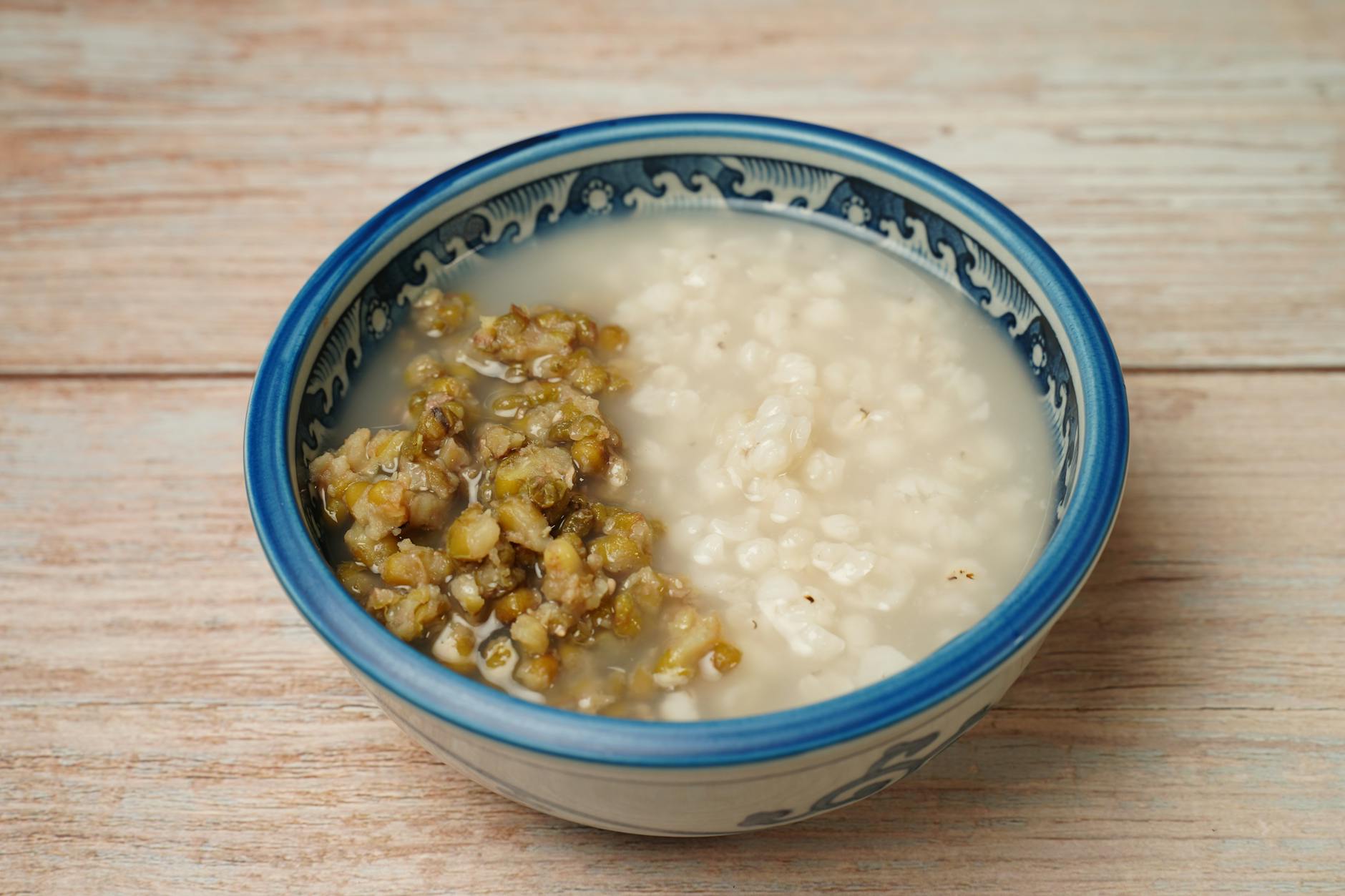
Congee Across Asia: Regional Variations & Comfort Food Secrets
Congee shows up on breakfast tables from Beijing to Bangkok for good reason. This simple rice porridge has quietly become Asia’s ultimate comfort food. What’s fascinating isn’t just how widespread it is, but how every culture insists their version is the best one.
Whether it’s Cantonese jook’s silky texture or Vietnam’s brothy cháo, congee proves you don’t need fancy ingredients to make something special. Just rice, water, and centuries of tradition. Here’s how eight Asian countries turned porridge into something worth fighting over.
The Origins: Why Congee Became Asia’s Soul Food
Congee started as peasant food – a way to stretch rice supplies during hard times. By the 4th century, Cantonese cooks had turned it into something worthy of emperors. Their slow-cooking techniques still define proper jook today.
The magic isn’t in the cooking method. It’s what you add afterward. Plain congee becomes whatever you need it to be: sickbed food, kid-friendly meal, or street food masterpiece with century eggs and pork belly. That’s why it caught on across Asia. Breakfast, lunch, dinner – it works anytime.
The Continental Variations: From Jook to Chao to Khao Tom
China (Jook): Cantonese jook is congee at its most refined. Cooked for hours until the rice completely breaks down (about 1 cup rice to 6 cups water), it turns silky smooth. Usually served with pork, century egg, or just sesame oil.
Vietnam (Cháo): Vietnamese cháo keeps more texture. The rice stays somewhat intact with a 1:4 ratio. Herbs make the difference here – piles of cilantro, dill, and scallions on top. Add lime juice and fried shallots for brightness.
Thailand (Khao Tom): Thailand’s version is the lightest. The rice floats in clear broth, almost like soup. The fun comes from toppings: pickled chilies, salted fish, and fresh ginger let everyone customize their bowl.
Singapore & Malaysia: Their bubur mixes Chinese and Malay styles. Richer than Vietnam’s but lighter than China’s. Sambal adds heat while anchovies and boiled eggs give it substance.
Philippines, Indonesia, Japan & Korea: Filipino lugaw goes heavy on chicken. Indonesian bubur piles on savory toppings. Japanese okayu keeps it simple – just rice and dashi. Korean juk often includes ginseng or pine nuts, treating it more like medicine than food.
The Art of Making Perfect Congee at Home
Getting congee right comes down to texture. For proper Cantonese jook, use jasmine rice with six times as much water or stock. Boil, then simmer for 90 minutes. Stir occasionally to help the rice break down.
Vietnamese cháo needs less time – 45-60 minutes with a 1:5 ratio. The rice should be tender but still visible. Go easy on seasoning during cooking; let toppings do the work.
Pro tip: Your rice cooker’s congee setting works in a pinch. Purists might scoff, but it gets the job done on busy nights. Always use stock instead of water if you can. And don’t treat toppings as optional – they’re what makes each bowl unique.
Why Congee Belongs at Your Table
Hungover? Sick? Just hungry? Congee has you covered. It’s cheap, adaptable, and deeply satisfying. The different versions across Asia show how comfort food doesn’t need complexity – just good ingredients and patience.
Check out your local Asian market’s congee options. Try different styles until you find your favorite. Because the best thing about congee isn’t that it’s the same everywhere – it’s that every version feels like home.