Tokyo
Tokyo Bangkok
 Seoul
Seoul Singapore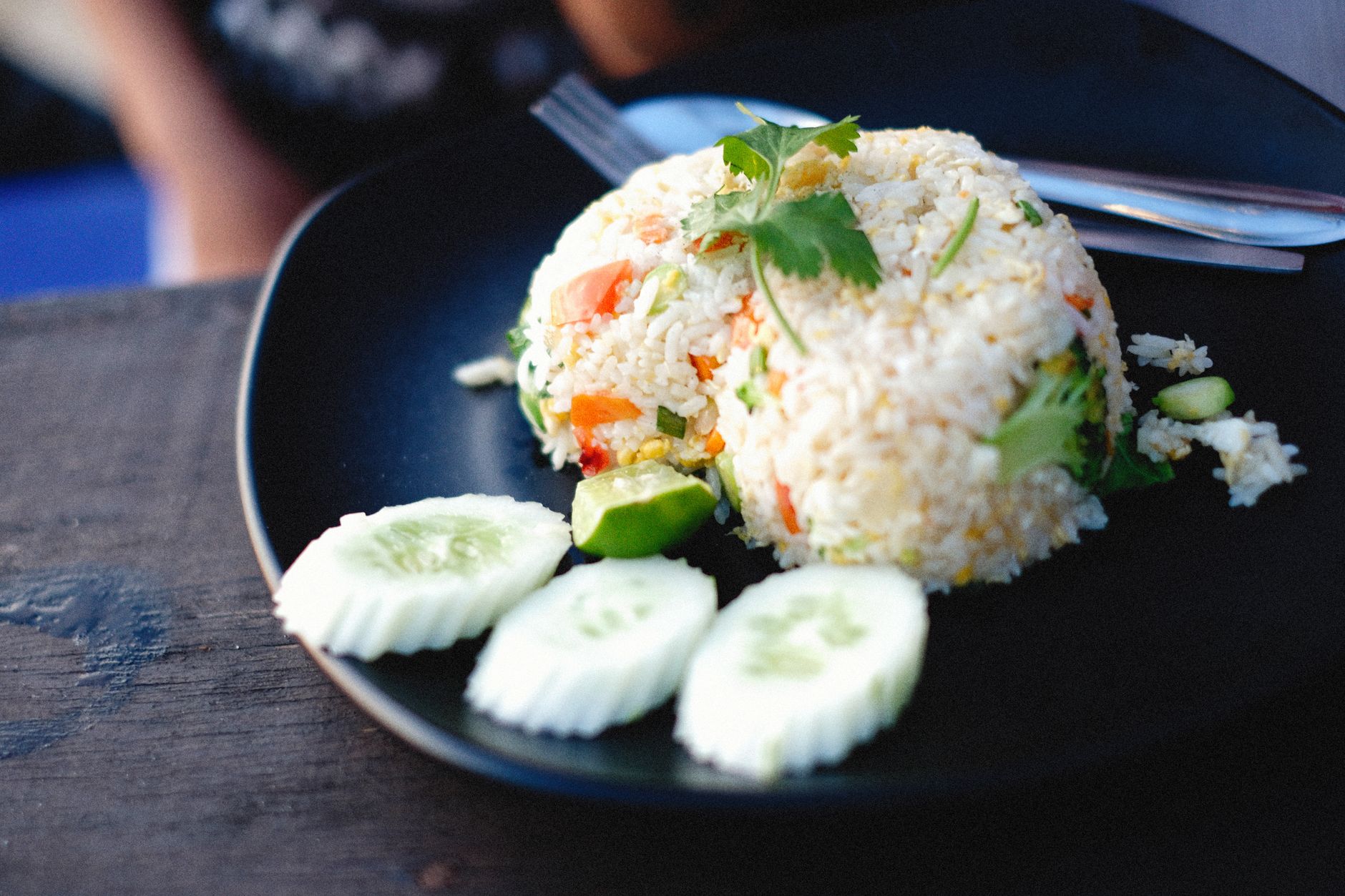
Egg Fried Rice: Master the Chinese Classic

Good egg fried rice doesn’t taste like last night’s leftovers thrown together. It’s deliberate—each grain stays separate, coated in egg, with aromatics that come through but don’t overwhelm. Most home cooks miss this because they’re working against the physics of rice.
Why Day-Old Rice Is Non-Negotiable, Not Optional
Fresh rice is 60% water. After a night in the fridge? About 40%. That difference changes everything. Too much moisture means your rice steams instead of fries, turning into a sticky mess. Restaurants don’t use day-old rice to save money—they do it because it’s the only way the texture works.
Here’s what happens in the fridge: the cold dries the outside and firms up the starches. Breaking up cold rice with your fingers before cooking (don’t skip this) gives you grains that won’t clump. Room-temperature rice just turns to mush.
Heat matters too. Your home burner tops out around 12,000 BTU; restaurant wok burners hit 100,000+. You’ll never match that, but a 14-inch carbon steel wok preheated for 3 minutes on high heat helps. Cook in small batches—crowd the wok and you’ll steam everything.
Cantonese Style vs. Shanghai Style: Where Geography Changes Everything
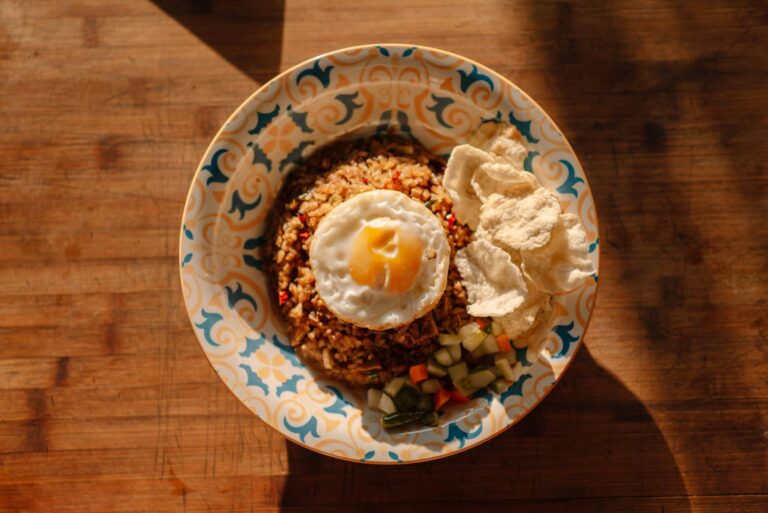
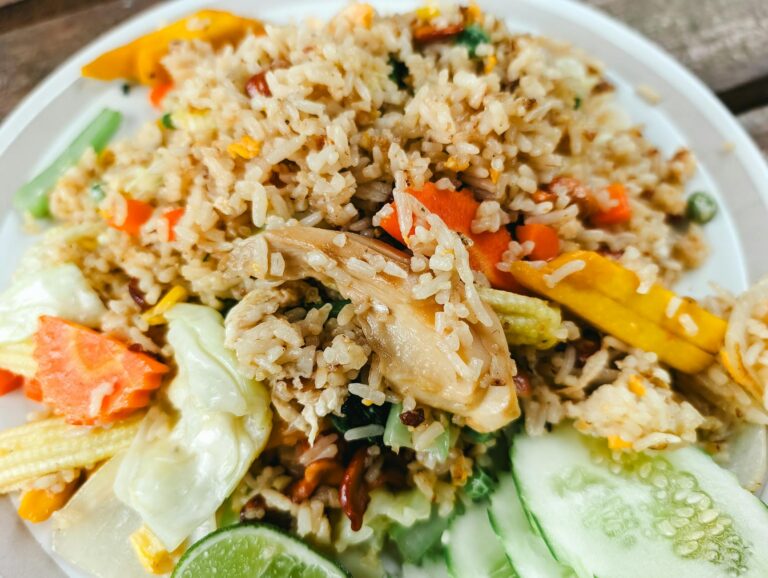
Cantonese fried rice (what most people know) keeps ingredients separate—peas, carrots, corn, ham—so each keeps its texture. Eggs scramble first, get removed, then return at the end. The rice gets tossed until every grain shines with egg fat and seasoning. Result? Clear flavors, nothing mushy.
Shanghai-style is heavier. Ingredients like Chinese sausage or salted fish get chopped fine and cooked into the rice. Sauces go heavier on soy and Shaoxing wine. Sometimes the egg mixes right in. It’s more of a complete dish than a side.
Fujian-style leans seafood—shrimp, squid—with fish sauce and white pepper doing the work instead of soy. Yangzhou fried rice? Basically Cantonese style dressed up with shrimp, pork, and peas—the version that caught on everywhere.
The Wok Hei Myth That’s Holding You Back
Everyone talks about “wok hei” like it’s magic. It’s not. That smoky flavor comes from two things: the carbon steel seasoning (built up over time) and the temperature difference between wok and ingredients. Yes, you get less at home. No, you don’t need it for great fried rice.
What you do need? Enough salt and white pepper added as you cook. Most home versions taste bland because they’re undersalted by half. Restaurants go heavy—soy sauce, oyster sauce, salt all working together. Start with 1 teaspoon salt per 3 cups rice, taste, then add more. You’ll probably need double what you think.
One restaurant trick: finish with sesame oil (about 1 teaspoon per 3 cups rice) and a pinch of white pepper. Not optional—this is what takes it from okay to actually good.
What to Actually Cook Right Now
Try Cantonese-style first. Cook 1.5 cups long-grain rice, refrigerate overnight. Next day: beat 3 eggs with salt. Heat your wok until smoking (2-3 minutes on high), add oil, scramble eggs, set aside. More oil, break up cold rice, cook in batches 2-3 minutes each. Add 1/2 cup peas and carrots (thawed), 2 tablespoons soy sauce, 1 teaspoon oyster sauce, salt. Fold in eggs. Finish with sesame oil and white pepper. Master this, then experiment.