Tokyo
Tokyo Bangkok
 Seoul
Seoul Singapore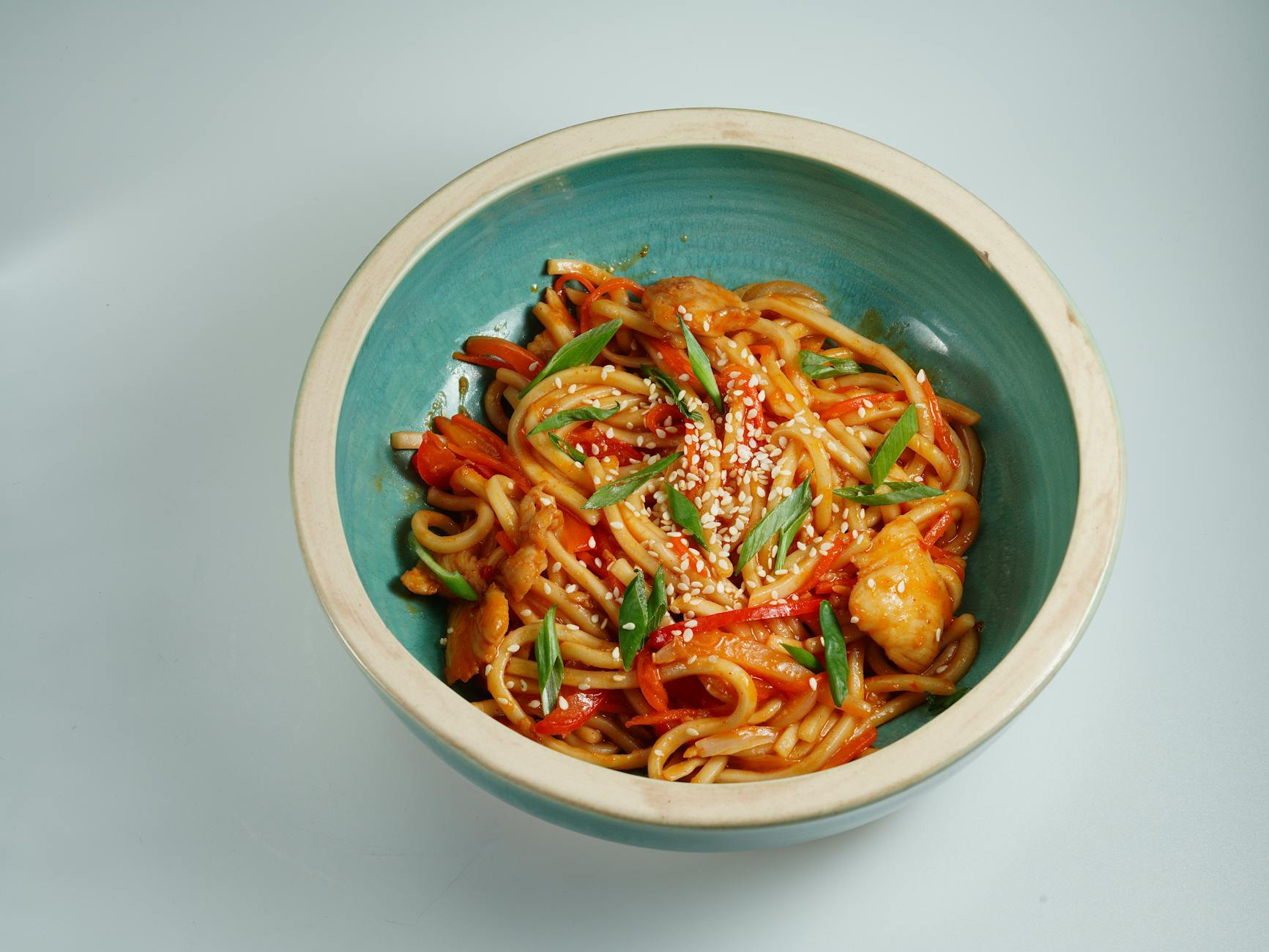
Lo Mein Mastery: Regional Secrets of China’s Best Noodle Dish

Lo mein isn’t just a dumping ground for leftovers. It’s an art. Screw it up, and you’re left with soggy noodles drowning in gloppy sauce. Nail it, and you’ll see why this dish has been a Chinese kitchen staple for centuries—while the rest of the world struggles with the basics.
Why Lo Mein Separates Good Chinese Cooking from Mediocre
Lo mein translates to “tossed noodles,” and that’s the whole point. Three things make or break it: noodles with bite, blistering heat, and a light hand with sauce. Most places fail by treating it like a fridge clean-out. Too much stuff in the wok, not enough fire. The noodles steam into mush. A tragedy.
Great lo mein comes down to 90 seconds of fierce heat and knowing when to stop pouring sauce. The noodles should spring back when you bite them. Veggies stay crisp. Sauce clings instead of pools. Fresh egg noodles—never dried—are the move. They’ve got that perfect chew and soak up wok flavor like nothing else.
This isn’t about nostalgia. Lo mein is wok cooking 101. Get it right, and you’ve mastered heat control, timing, and building flavor fast. That’s the difference between cooking Chinese food and just reheating it.
Where to Actually Find Good Lo Mein (And What Regional Styles Mean)
Cantonese lo mein—the kind you’ll find in most US, UK, and Aussie spots—is lighter. Think soy sauce, oyster sauce, a whisper of sesame oil. Skip anywhere that pre-cooks batches. In London, hit Yauatcha or any busy Soho joint. Sydney? Follow the crowds to Paddy’s Markets.
Shanghai-style goes darker and richer, often with a glossy cornstarch finish. It can handle big flavors like pork belly. Szechuan lo mein? That’s where the peppercorns kick in, leaving your mouth buzzing.
Truth: The best lo mein usually comes from a no-frills spot with one wok and zero Instagram ambitions. New York’s Chinatown lunch counters. Footscray’s Vietnamese-Chinese holes-in-the-wall. Manchester’s overlooked Cantonese joints. Follow the locals, not the decor.
The Wok Seasoning Secret Nobody Talks About
Here’s why your lo mein never tastes like the restaurant’s: wok seasoning. Years of oil and heat create a flavor no sauce can fake. It’s not mystical—just chemistry. A well-loved wok gives noodles that deep, savory backbone you can’t replicate at home.
That’s why cast iron rules elsewhere, and battered woks rule here. Non-stick pans? Stainless steel? You’re doomed. Get carbon steel, season it right, and quit with the soap. That blackened patina is the good stuff.
One more thing: Lo mein doesn’t wait. Taste as you go. Adjust on the fly. Keep those noodles moving. It’s cooking at full speed—no autopilot. That’s how you know who really gets it.
Grab fresh egg noodles from a Chinese market. Find a Cantonese place that cooks to order. Watch how they work the wok. Order it three times and study the technique, not the plating. That’s your crash course.