Tokyo
Tokyo Bangkok
 Seoul
Seoul Singapore
Japanese Seaweed Guide: Wakame, Nori & Kombu Explained
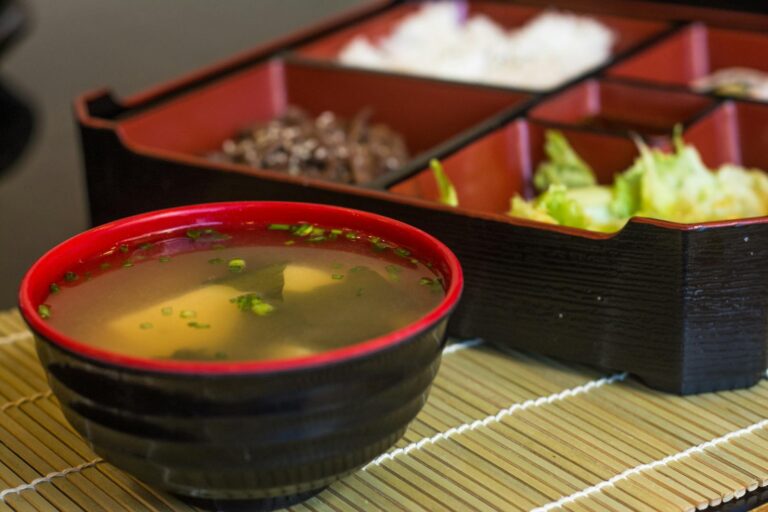
In Japan, mornings don’t really start until someone’s sipping miso soup—and that soup tastes wrong without kombu. It’s not about trends. It’s just how things are. This isn’t fancy restaurant stuff. It’s what home cooks grab automatically, like butter or eggs.
Seaweed isn’t some exotic ingredient here. It’s as basic as bread. Hit up a Tokyo 7-Eleven and you’ll find aisles of the stuff, right next to instant noodles and tea. Knowing your wakame from your nori? That’s just knowing how people actually eat.
Kombu: The Invisible Foundation of Japanese Cooking
Kombu works behind the scenes. This thick, leathery kelp makes dashi—the broth that powers everything from miso soup to ramen. Simmer it with bonito flakes, and suddenly you’ve got real flavor. Japanese cooks don’t treat this as optional. It’s like forgetting to add garlic.
Hokkaido grows the good stuff, especially around Rishiri. Cold water makes kombu denser, more mineral-packed. Look for dried sheets with a dusty white coating—that’s flavor, not dirt. Most kitchens stock two types: cheap for daily use, fancy for guests. Thicker means better. It also ends up in nimono, slowly braised with veggies until everything turns silky.
Wakame: The Everyday Green in Miso Soup and Beyond
Wakame is the seaweed you’ve definitely eaten if you’ve had miso soup. Those slippery green ribbons? That’s it. Mild, fast-cooking, and impossible to hate. Even seaweed skeptics don’t notice it’s there.
Dried wakame lives in every Japanese pantry. A handful plumps up instantly in hot water. Besides soup, it gets tossed in salads, mixed with rice, or thrown into noodle bowls. Near the coast, especially Hokkaido, spring means fresh wakame—grilled quick or piled onto rice. Everywhere else? Dried works fine. Schools serve it constantly because kids don’t complain. Cheap, healthy, normal.
Nori: More Than Sushi Wrapper
Nori does way more than hold sushi together. Crumble it over rice. Fold it into onigiri. Eat it straight from the pack like chips. Convenience stores sell flavored versions—soy-glazed, sesame-sprinkled—for lazy snacking.
Good nori makes a difference. Ariake Bay’s premium stuff costs more for a reason: deeper flavor, better crunch. Budget brands taste tinny. Most homes keep both—nice sheets for special meals, basic ones for daily use. Properly roasted nori should shatter when you bite down. It’s not just for rolling sushi, either. Try wrapping pickles or veggies in it.
Want to cook Japanese? Get kombu first. Then wakame for soup, nori for rice. Three ingredients, totally different results.