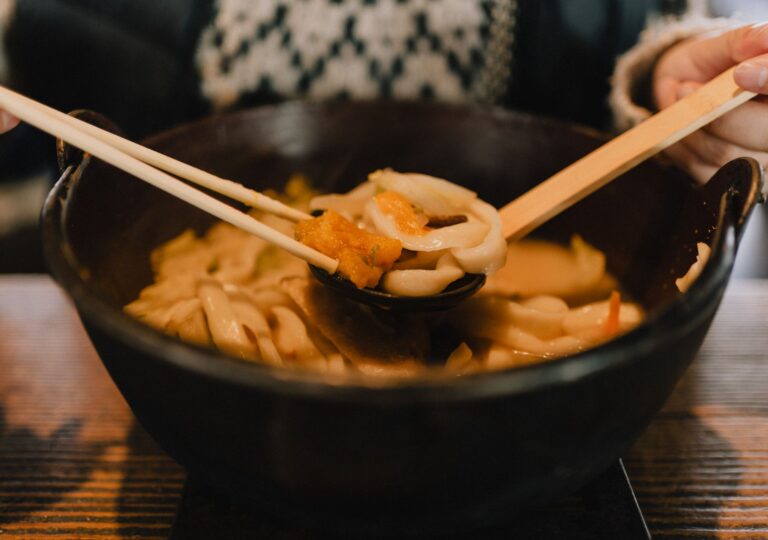
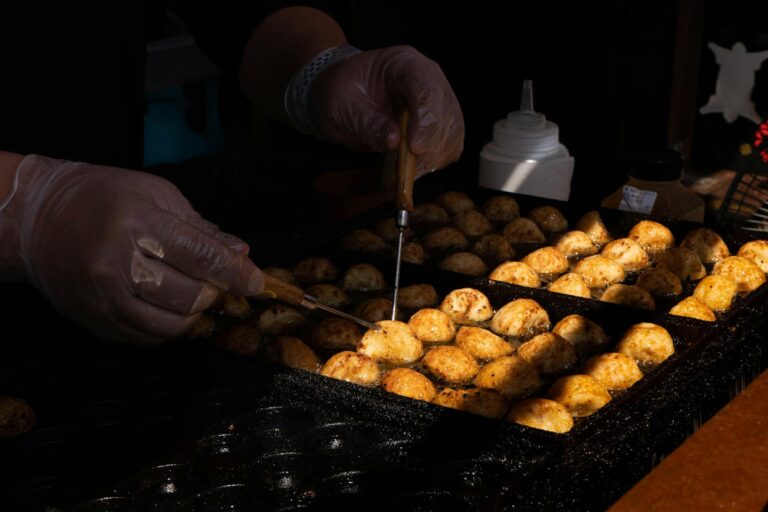
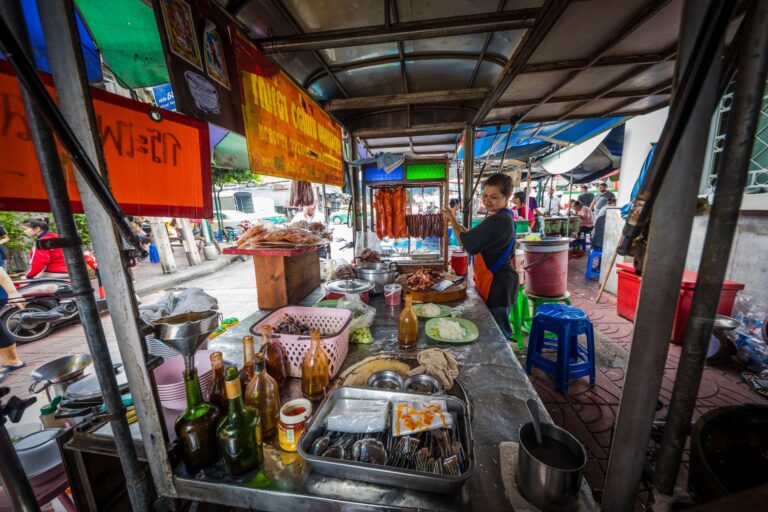
Tokyo
Tokyo Bangkok
 Seoul
Seoul Singapore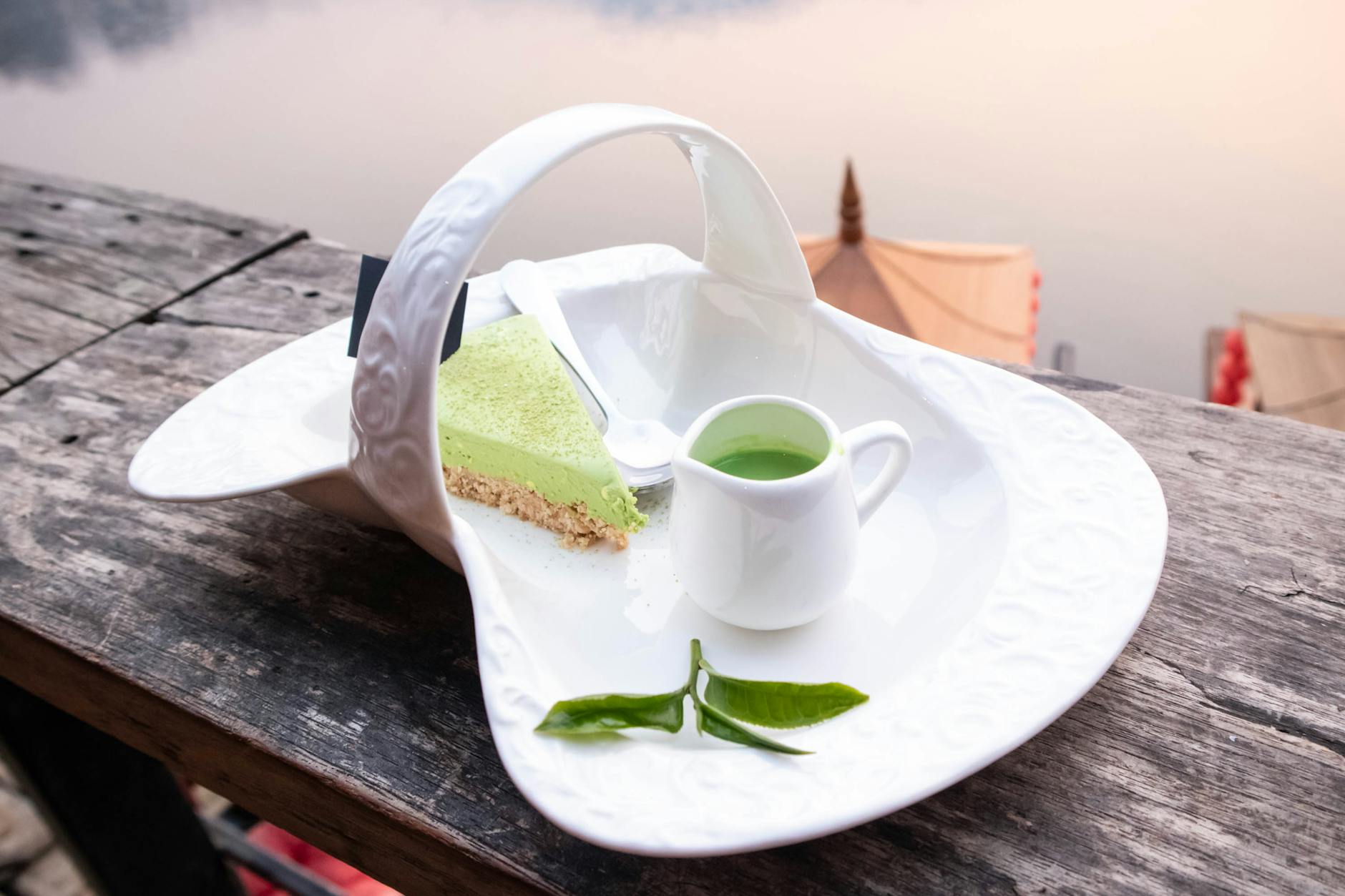
Matcha Health Benefits: L-Theanine, Antioxidants, and Grade Matters
Matcha won’t leave you jittery like coffee does. That’s thanks to L-theanine, an amino acid that slows down caffeine absorption—but only if you’re drinking real matcha, not the sugary green powder most cafes sell. Ceremonial versus culinary grade isn’t just hype; it’s a measurable difference in compounds that actually affect your body.
Ceremonial Grade Matcha Contains 3x More L-Theanine Than Culinary Grade
L-theanine is why matcha gives you calm energy. When paired with caffeine, it boosts alpha waves in your brain—that sweet spot between alert and relaxed. One cup packs 25-70mg of L-theanine versus green tea’s measly 2mg, since you’re consuming the whole leaf.
Ceremonial grade comes from shade-grown leaves picked by hand. Stems get removed before stone-grinding into ultra-fine powder. Culinary grade uses later harvests and often machines. Tests show ceremonial has 1.2-1.5g of amino acids per 100g; culinary only 0.4-0.6g. Half of that is L-theanine—so you’re getting 30-50mg per serving versus 10-15mg in culinary grade.
Here’s why that matters: The L-theanine-to-caffeine ratio changes everything. Matcha’s 25-70mg caffeine hits differently than coffee’s 95-200mg because L-theanine smooths it out. With culinary grade? Might as well drink weak tea.
Antioxidant Content Varies Dramatically Between Grades—And How You Prepare It
Matcha’s powerhouse antioxidant is EGCG. One serving of ceremonial grade packs 137mg—equal to 10 cups of regular green tea. You’re drinking the whole leaf, after all.
But here’s the catch: Preparation changes everything. Water over 160°F starts breaking down the good stuff. That’s why traditional methods use cooler water and careful whisking—it’s science, not just ceremony. Culinary grade often gets blasted with heat, losing 20-30% of its antioxidants before you take a sip.
Culinary grade also tends to have more heavy metals. Cheaper processing means stems and veins stay in. Some brands tested over safe lead levels. Ceremonial grade’s stricter standards keep contamination lower.
Most Matcha Sold in Western Cafés Contains Almost No Actual Matcha
Your typical matcha latte has maybe half a gram of powder drowned in milk. Proper preparation uses 2-3g whisked with just a couple ounces of water. The café version gives you maybe half the L-theanine and EGCG you’d get from doing it right.
Want the real deal? Check specialty shops in neighborhoods with strong Japanese communities—San Francisco’s Japantown, New York’s East Village, London’s Fitzrovia. Look for harvest dates and regions like Uji or Nishio. Real ceremonial grade runs $8-15 per ounce. Culinary grade costs half that and works fine for baking—just don’t expect the same health perks.
Here’s the move: Get ceremonial grade from a trusted importer. Use cooler water and a whisk. That’s how you actually get what you’re paying for.