Tokyo
Tokyo Bangkok
 Seoul
Seoul Singapore
Japanese Food Trending on TikTok: 46.4B Views Explained
Japanese Food Is Taking Over TikTok
The #japanesefood hashtag on TikTok has hit 46.4 billion views. Yes, billion. That’s more views than there are people on the planet. This isn’t just trending—it’s changing how people explore and experience food.
Forget Instagram’s polished shots or YouTube’s lengthy demos. TikTok’s Japanese food scene is all about speed and specifics. No fluff, just facts: where to go, what to order, and why it’s worth it. People aren’t here for ads—they want real, actionable tips.
The Creators Behind the Craze
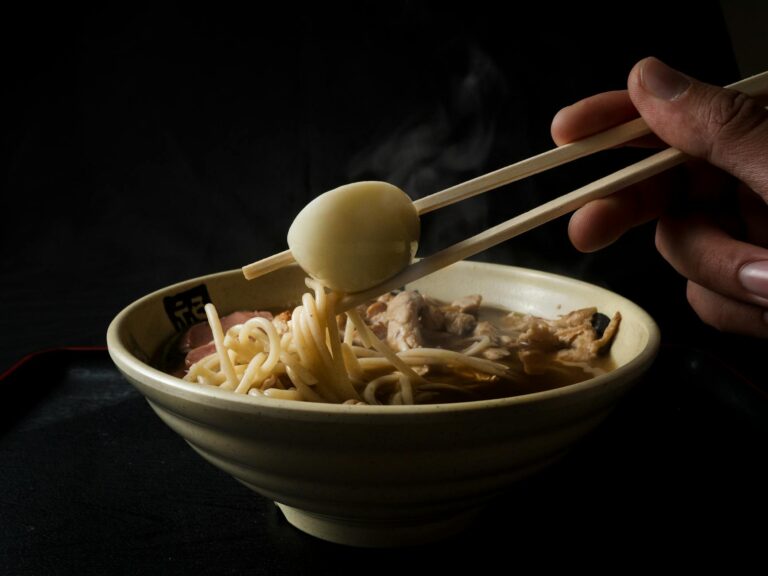
A few key accounts are leading the charge. @コージー≪Japanese Food≫ (612K followers) blew up with a 60-second clip of a ramen stall in Hachioji—24.6 million views, 2.9 million likes. Why? It spelled out everything: ¥950 for chashu ramen, extra toppings for ¥50-¥100, and the reason locals wait hours despite the out-of-the-way spot.
@Jack’s Dining Room (2.4M followers) racked up 7.9 million views with a Tsukiji Market walkthrough. @Vince (1.3M followers) compares viral dishes like “Every Sandwich in Japan” (5-8 million views per video). These aren’t one-offs—they’re blueprints for what works.
Then there’s @ウルフ🐺バズグルメクリエイター (1.9M followers), who spotlighted Nagoya’s massive miso katsu at Mikawa-ya. The video breaks it down: ¥2,630, tender pork, milder-than-it-looks red miso sauce, and takeout options. No hype, just details.
What Goes Viral (and Why)
Three types of content crush it:
- Restaurant intel with prices: Naming spots, listing costs, and explaining why they’re special (like @コージー’s ramen video). People want answers: “Where? How much? Why bother?”
- Quick recipes: @erictriesit’s 29-second spicy tuna mayo onigiri tutorial hit 8.7 million views. Short, simple, and doable in under a minute.
- Food showdowns: @SnackEatingSnacks compared 10 restaurants across Tokyo, Osaka, and Kyoto (5.4 million views). Rankings cut through the noise—viewers get a game plan, not just eye candy.
What the Data Says About Real Trends
Three takeaways from the numbers:
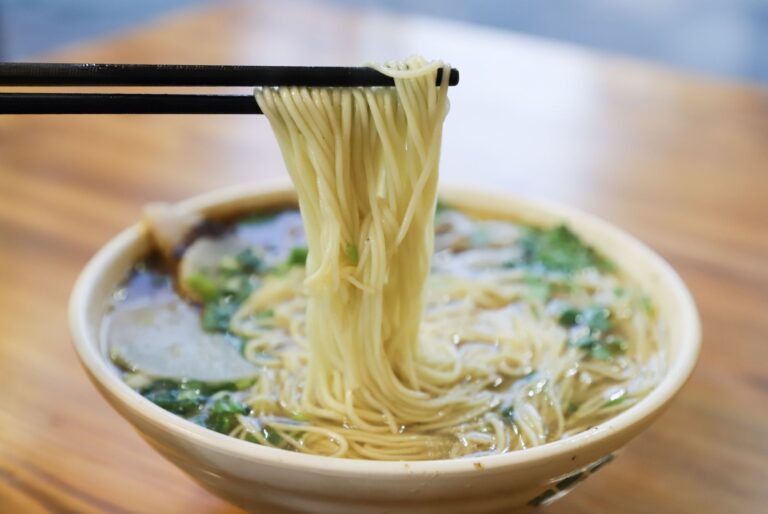
Ramen still rules. Videos about it pull 5-24 million views. But it’s not just tonkotsu—@space_tamnik’s clip on a Tokyo shoyu ramen spot (chicken broth, multi-soy blend) got 6.1 million views. People crave variety, not just classics.
Desserts and hybrids are rising. Matcha Basque cheesecake in Aichi (@つむグルメ, 3.0 million views), Osaka’s crispy crepes (@JAPAN FOOD MAP, 2.6 million views). Traditional meets trendy, and viewers eat it up.
Size and value matter. @ウルフ’s “Japan’s biggest miso katsu” (2.1 million views) proves people love extremes—but only if the food delivers. That’s why prices and honest reviews are non-negotiable.
How to Actually Use TikTok for Food Finds
Heading to Japan? Here’s how to work the algorithm:
- Search smart: Skip #japanesefood. Try #tokyoramen or #osakastreetfood. Neighborhood tags (@space_tamnik’s Shibuya ramen post) help too.
- Demand details: The best videos give exact prices and addresses. No guesswork.
- Mid-size creators win: Accounts like @SnackEatingSnacks (466K followers) or @space_tamnik (361K) often out-deliver mega-influencers.
- Listen for the “why”: @コージー explains why a ramen stall justifies the trek. @ウルフ notes the miso katsu’s sauce isn’t overpowering. Context separates gems from gimmicks.
Why TikTok Beats Traditional Food Media
Instagram’s for pretty pictures. YouTube’s for deep dives. TikTok? It’s for straight talk. @コージー’s 24-million-view ramen video worked because it answered the basics in 60 seconds: cost, location, and why it’s good.
The algorithm doesn’t care about fancy editing. It rewards usefulness—clips people share, save, and act on. Those 46.4 billion #japanesefood views aren’t just passive scrolling. They’re trip planning, dinner deciding, and discovery in real time.
TikTok’s quietly become the most trustworthy food guide out there. Creators aren’t shilling for restaurants (at least not obviously). They’re sharing finds their audience trusts. In 2025, that’s the rarest kind of food criticism—and the most valuable.