Tokyo
Tokyo Bangkok
 Seoul
Seoul Singapore
Sushi Burrito & Sushi Bake: The Viral Asian Fusion Trend
Sushi Burrito and Sushi Bake: Viral Asian Fusion Formats Explained
Scrolled TikTok lately? Then you’ve probably seen those massive sushi burritos or gooey baked sushi casserials blowing up your feed. These aren’t some ancient Japanese tradition – they’re pure California innovation, following the same creative spirit that brought us the California roll back in the 60s.
The Rise of Sushi Burritos: From Food Truck to Global Phenomenon
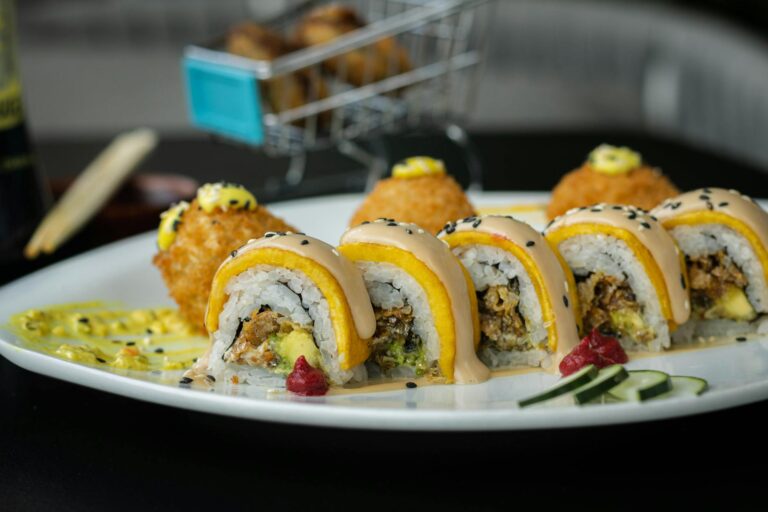
Sushi burritos started in San Francisco’s food truck scene around 2010. Chefs basically took the concept of a burrito and gave it a sushi makeover – giant nori-wrapped rolls stuffed with rice, proteins, veggies and sauces. Forget dainty maki rolls; these are hefty, meal-sized beasts you can actually eat with your hands.
That’s the real appeal. No chopsticks required, no fancy restaurant needed. Just grab and go. Perfect for busy folks who want sushi flavors without the ceremony.
Now you’ll find endless variations: spicy tuna with tempura flakes, vegan options packed with avocado and kale. The trick is in the wrap – too loose and it falls apart, too tight and you lose the flavors.
Sushi Bake: When Casserole Meets Japanese Cuisine
Then there’s sushi bake. Imagine all your favorite sushi ingredients – rice, fish, veggies – layered in a dish, topped with cheese and breadcrumbs, then baked until golden. It’s like sushi decided to have a party with mac and cheese.
This thing blew up during lockdown. People stuck at home went crazy for dishes that looked amazing on camera but were actually simple to make. That molten cheese pull? Pure TikTok bait.
Sure, traditionalists might scoff. But sushi bake isn’t trying to be authentic – it’s its own delicious thing. The best versions balance that rich, cheesy top with fresh fish and crisp veggies underneath.
Understanding the Cultural Context: Fusion as Innovation, Not Appropriation
This isn’t new. Remember the California roll? Invented in Vancouver when chefs swapped hard-to-get tuna for avocado. Fusion food has always been about adaptation and creativity.
The key difference between fusion and appropriation? These dishes own what they are – American twists on Japanese techniques, not cheap imitations.
How to Order (and Make) Sushi Burritos and Bakes Like a Pro
Ordering tips: With sushi burritos, don’t be shy about customizing. Want extra spicy? More avocado? Just ask. Check if they use properly seasoned rice – that vinegary kick matters.
For sushi bake, quality ingredients make all the difference. If the fish doesn’t look fresh or the rice is mushy, walk away. Making it at home? Get sushi-grade fish and learn to cook the rice right – it’s worth the effort.
Eat these fresh. Sushi burritos get soggy fast, and while bake lasts longer, it’s best straight from the oven.
The Future of Fusion Sushi Formats
These aren’t replacing traditional sushi – they’re expanding the options. Different moods call for different foods. Sometimes you want an elegant omakase, other times you crave a cheesy, baked sushi casserole.
Love it or hate it, you can’t deny these formats have introduced sushi to new audiences. That’s worth something.
Feeling hungry? Hit up your nearest fusion spot. Or better yet, try making your own. Messy results guaranteed, but that’s half the fun.