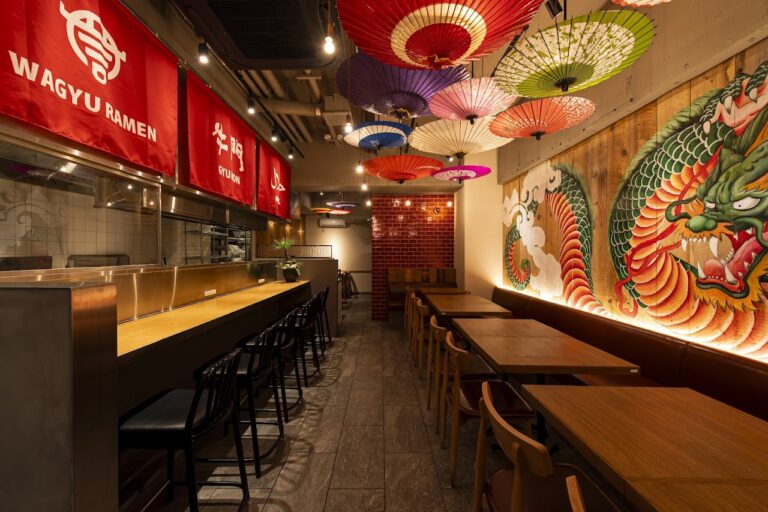
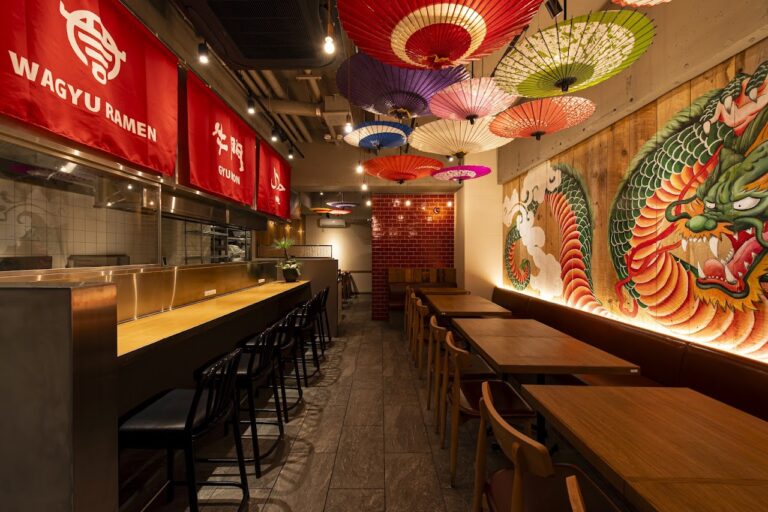
Tokyo
Tokyo Bangkok
 Seoul
Seoul Singapore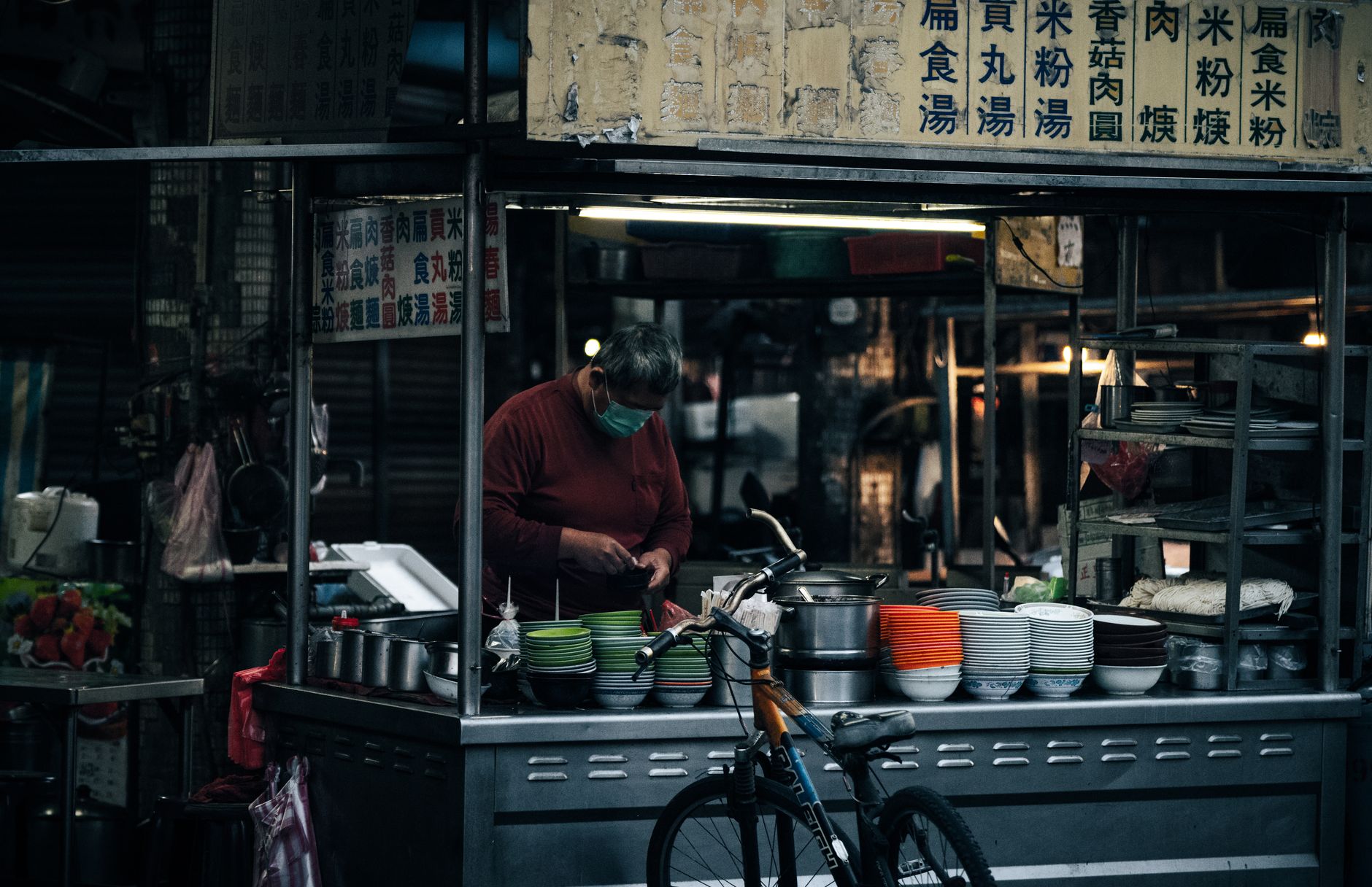
Izakaya Culture: Japan’s Real After-Work Food Scene
An izakaya isn’t just a restaurant. It’s where Japan exhales. After endless hours of rigid formality, workers cram into these noisy, unpretentious bars to reclaim their humanity—and every bite of food serves that purpose.
Izakayas Run on Beer Logic, Not Fine Dining Rules
Great izakayas follow one rule: they make you crave another drink. No awards. No fuss. The best spots look nearly identical to mediocre ones—harsh lighting, wobbly stools, scribbled menus, gruff owners who’ve seen it all. Food arrives fast: salty, cheap, engineered to complement alcohol, not impress critics.
Forget kaiseki’s precision. Here, yakitori might be charred. Edamame is literally just salted beans. Karaage glistens with grease. Takoyaki burns your tongue. Nothing’s flawless. Everything works. The magic isn’t in perfection—it’s in permission. Permission to yell, to overorder, to linger on a weeknight, to share secrets with strangers you’d never tell coworkers.
Yurakucho’s Railway Arch Dive Bars: Tokyo’s Real Deal
Ditch the tourist traps. Head to Yurakucho’s alleyways beneath the JR tracks near Hibiya station. This is Omoide Yokocho’s grittier sibling, packed with six-stool joints run by veterans. Beer: 500 yen. Chicken heart skewers: 150 yen. No pretenses.
Torikizoku works for chain reliability. But the real action happens at nameless stalls under the railway. Get negima skewers. Try horumon offal—whatever’s fresh. Slurp cold tofu with bonito flakes. Watch ties loosen. This isn’t dinner. It’s anthropology with a beer chaser.
Osaka? Hit Kushikatsu Daruma or Shinchi’s standing bars. Melbourne or London? Izakaya Kiji or Sake no Hana come close—but expect markup for the overseas vibe.
The Secret: Izakayas Are Social Air Locks
Here’s the unspoken truth: izakayas exist because Japan needs them. Junior staff can argue with bosses. Women drink without side-eye. Strangers bond. The din isn’t noise—it’s social armor.
Food matters, but not most. Yakitori satisfies. Edamame cools. But you’re really here because society needs pressure release. Alcohol helps. The setting helps. Mostly, it’s the unspoken pact: for these hours, nobody has to perform.
That’s why they’re vanishing. Remote work and changing attitudes mean fewer salarymen need escape. The masters running these places are retiring. Their closures aren’t nostalgia—they’re cultural shift, measured in lost storefronts.
Do This Tonight
Pick any izakaya near a train station. No research. Walk in at 6. Sit at the counter. Order beer and whatever’s grilling. Stay. Maybe talk to your neighbor. This is the ritual. Do it while it still exists.