Tokyo
Tokyo Bangkok
 Seoul
Seoul Singapore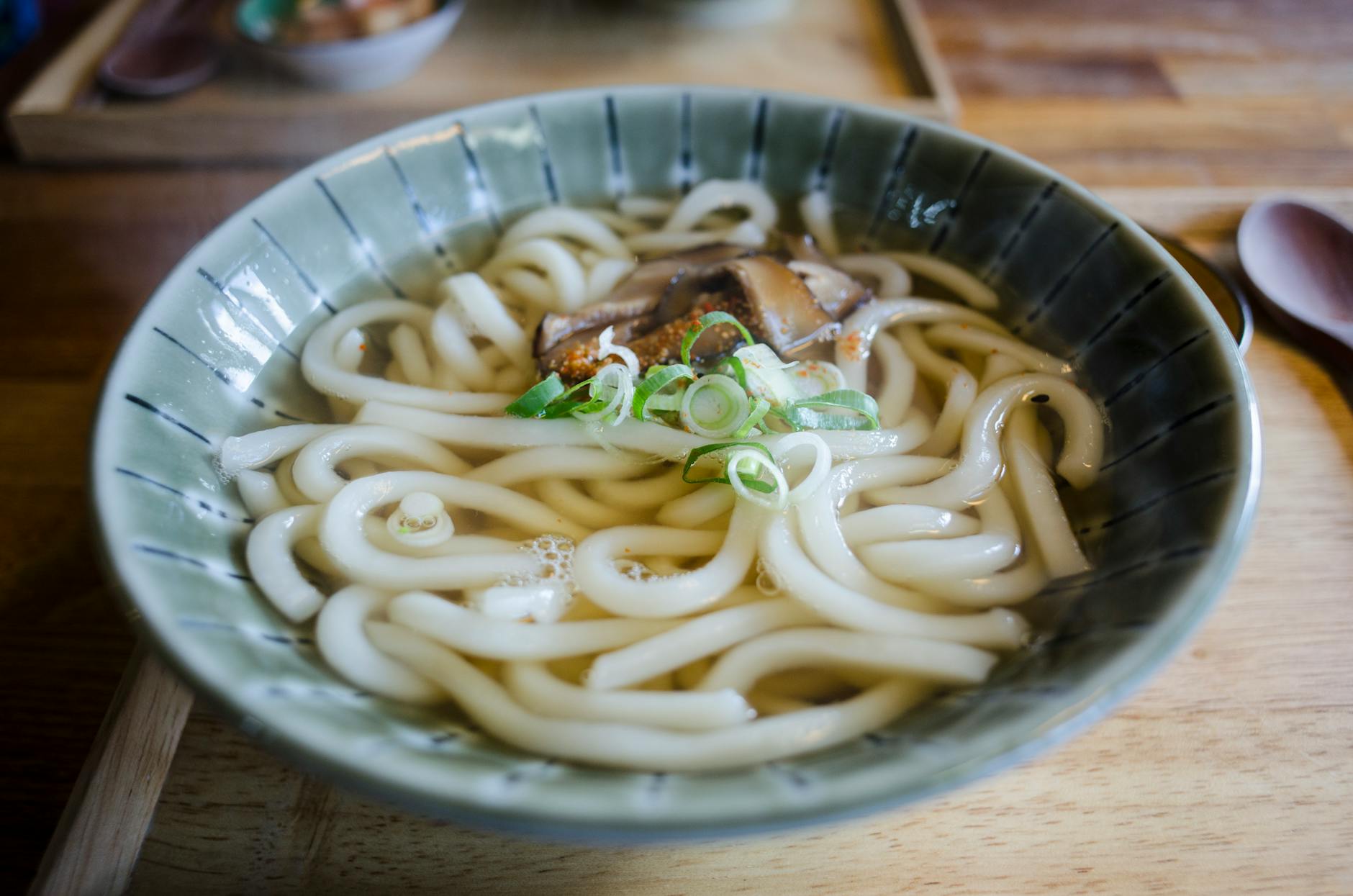
Kitsune Udon: Origins, Best Versions & Where to Eat It
Kitsune udon gets its name from Japanese fox spirits, not because there’s anything tricky about it. Those folklore foxes just really loved fried tofu. And that crispy fried tofu pocket (aburaage) on top? That’s the whole point—without it, you’re just eating plain udon.
Why Fried Tofu Matters More Than the Noodles Themselves
People often treat kitsune udon like any other noodle soup, but the magic’s in the aburaage. Done right, it’s thin-fried tofu simmered in dashi, soy, and sugar until it drinks up the broth. The outside stays a little crisp while the inside turns tender and packed with flavor. This isn’t some afterthought garnish—it’s the main event, bringing an umami punch regular tofu can’t touch.
What separates good kitsune udon from mediocre? How they handle the aburaage. Places that take 30+ minutes simmering it in concentrated dashi end up with little flavor bombs. The rushed versions? Just reheated pre-made tofu that tastes bland and rubbery. The best spots fry their aburaage fresh daily before braising it. You’ll know immediately—the good stuff has this subtle sweetness with clean tofu flavor underneath all that umami.
The noodles? They matter, but not as much as you’d think. Most kitsune udon uses standard wheat udon—thick, chewy, nothing fancy. The broth’s usually a simple dashi base (kombu and bonito), kept light so the tofu can shine. Some places serve it hot, others chilled depending on the season.
The Best Kitsune Udon in Japan: Specific Addresses and What to Order
In Osaka, where kitsune udon started back in the Edo period, hit up Marugame Seimen for solid versions that won’t break the bank (around ¥400-500). Their aburaage leans sweeter than Tokyo’s—classic Kansai style. Want the fancy stuff? Hankotsu in Dotonbori braises their tofu for 45 minutes until it’s practically melting. Costs about ¥1,200 and worth the 20-30 minute wait.
Tokyo’s Ichiran does a lighter take with cleaner dashi flavors. Their aburaage isn’t as sweet as Osaka’s, letting the tofu itself shine through. For something between Tokyo and Osaka styles, try Nakau chain locations—sweeter than Ichiran but not as heavy as the Kansai originals.
Outside Japan, good kitsune udon’s harder to come by. Ichiran now has spots in London, Sydney, and some US cities serving their Tokyo-style version. New York’s Ippudo does decent aburaage, though the broth’s toned down for American tastes. Melbourne’s Ramen Alley in Chinatown makes their own tofu—worth checking out.
Why Kitsune Udon Disappeared From Most Menus (And Why That Matters)
Twenty years ago, kitsune udon was everywhere in Japan. Now? It’s getting crowded out by ramen’s global takeover and newer udon trends. Most young Japanese haven’t had proper kitsune udon outside family kitchens. The dish takes work—that aburaage needs 30+ minutes of prep time most restaurants won’t spare these days.
That’s why it matters when you find a place still making it right. Keeping kitsune udon on the menu means sacrificing some profit for tradition. The restaurants bothering with it now are usually the ones doing everything else well too.
The One Thing You Should Actually Do
If you’re in Osaka, get kitsune udon at a small local spot during lunch. That’s when they’ve got the freshest aburaage. Get it hot. Taste that tofu first before mixing it in. One bite and you’ll get why this dish has its own fox tale.