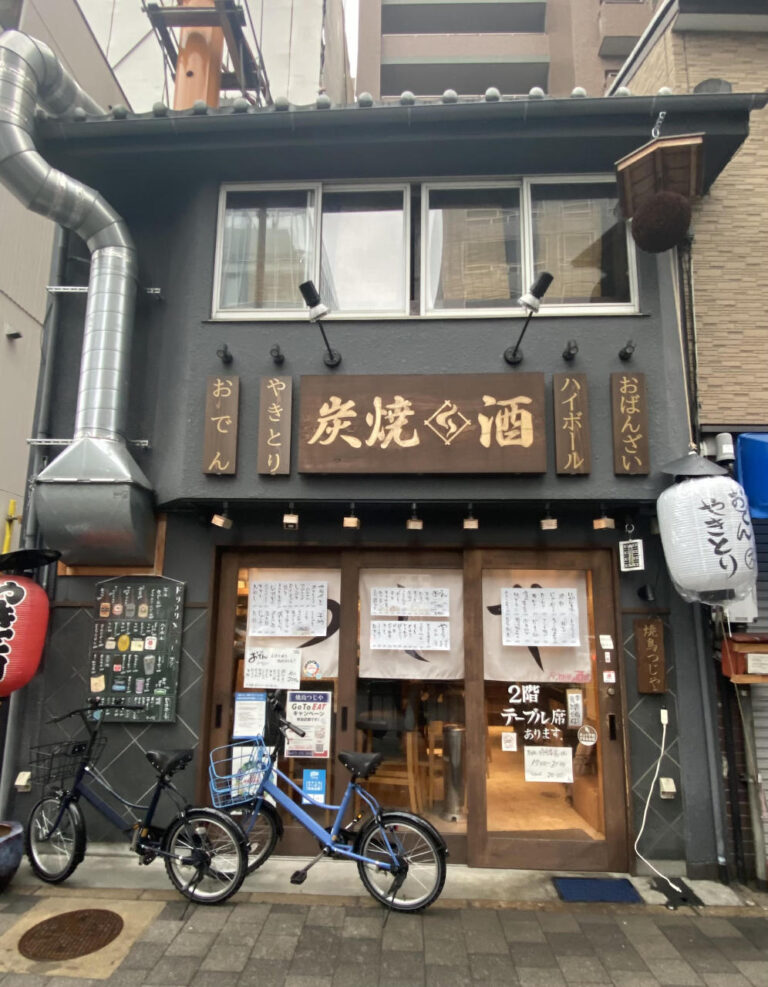
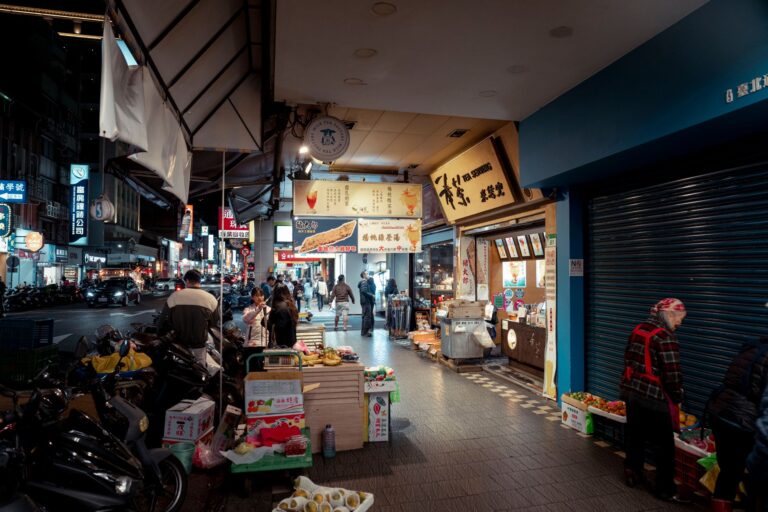
Tokyo
Tokyo Bangkok
 Seoul
Seoul Singapore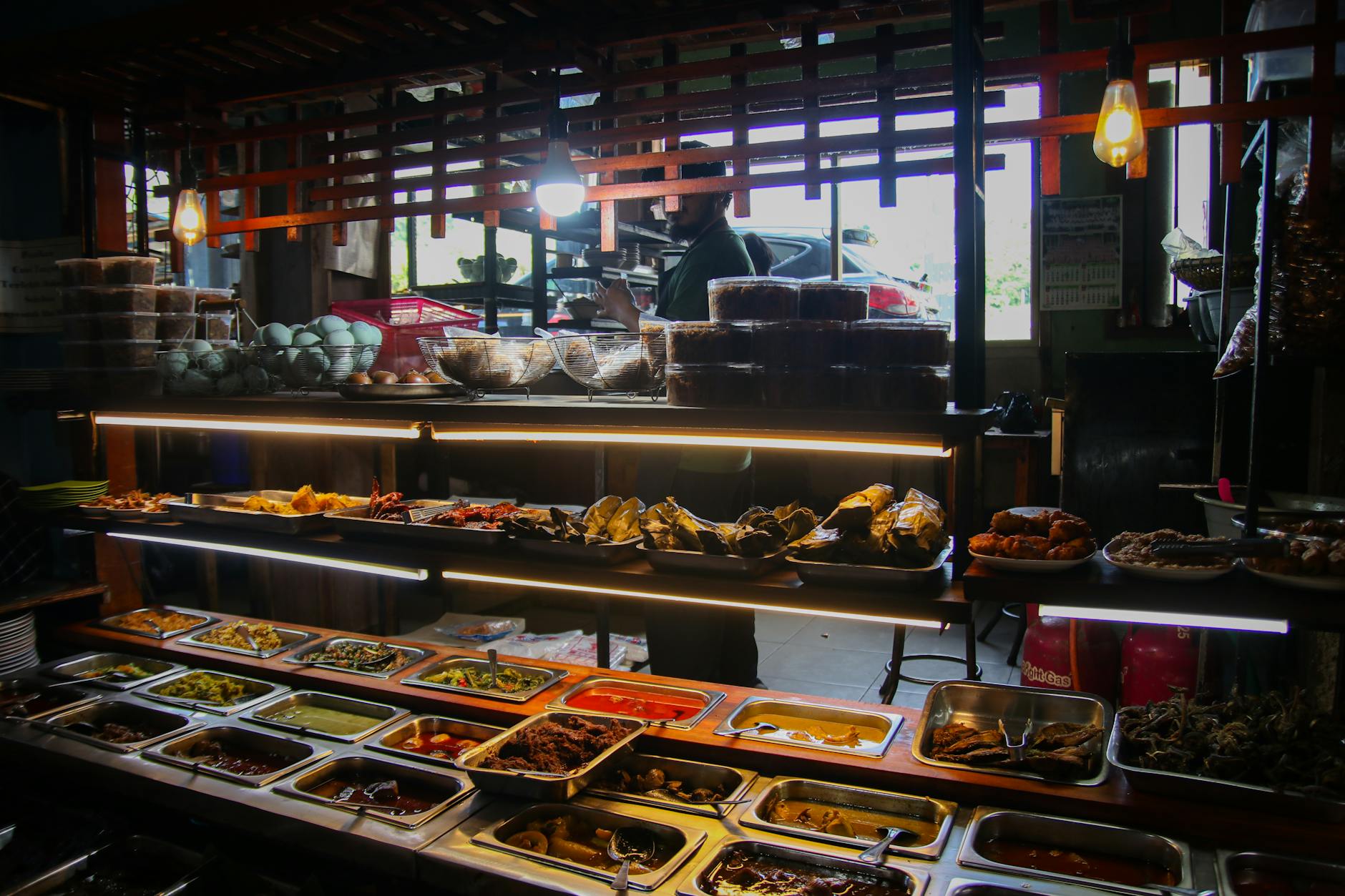
Karaage Explained: Japan’s Fried Chicken Mastery
Karaage isn’t just fried chicken—it’s Japanese perfection in bite-sized form. That crispy shell? The juicy meat inside? The way it stays crunchy for hours? That’s no accident. It’s skill most places don’t even attempt.
Where Karaage Actually Came From
Surprise: karaage isn’t some ancient dish. Portuguese traders brought frying techniques to Nagasaki in the 1920s. Japanese cooks ran with it, adding soy, ginger, and garlic until it became something entirely new.
The 1960s changed everything. Karaage exploded from specialty shops into izakayas nationwide. Now it’s everywhere—convenience stores, train platforms, fancy restaurants. Even Japan’s fast food tells a story about craft.
The Technique That Separates Good from Mediocre
Three things make or break karaage. First, the marinade: soy sauce, sake, mirin, ginger, and garlic—non-negotiable for keeping meat moist. Second, the coating: potato starch mixed with flour creates that addictive crunch. Third, oil at 170°C (340°F) and don’t overcrowd the pan.
Torikizoku nails this with clockwork precision—four minutes per piece, every time. At Osaka’s Tatsuta, they use free-range chicken and longer marinades. Both approaches work. One’s cheap, one’s fancy. Both put most fried chicken to shame.
Where to Find Serious Karaage Now
Tokyo’s Ootoya treats karaage as part of a balanced meal. Fukuoka goes harder—this is Torikizoku’s hometown, after all. Hakata’s Tori-Shin uses only thighs and marinates them for 24 hours straight.
Outside Japan? It’s hit or miss. London’s Koya does alright. Melbourne’s Goro sometimes nails it. New York’s Torikizoku keeps standards high, but Berkeley’s Ippuku might be America’s best—they actually care.
In Japan? Avoid convenience stores unless it’s 3am. Find a proper karaage shop instead. Elsewhere? Look for thighs (never breast) and real marinades. Or make it yourself: soy, sake, mirin, ginger, garlic, potato starch. Simple ingredients. Serious results.