Tokyo
Tokyo Bangkok
 Seoul
Seoul Singapore
Miso vs Doubanjiang: Japan’s Sweet Paste Meets Sichuan’s Spice
Miso and doubanjiang are fundamentally different fermented products that produce opposite effects in a dish
Most home cooks treat miso and doubanjiang like they’re the same thing—swap one for the other, no big deal. Wrong. Both are fermented soy pastes that add depth, but miso leans sweet and mellow while doubanjiang brings heat and punch. Get this right, and your stir-fry or soup actually tastes authentic. Get it wrong, and you’re left with something vaguely off.
Miso starts with soybeans and koji (a mold culture), fermenting for months or even years. The longer it sits, the darker and richer it gets. White miso ferments quickest—just weeks—and keeps a gentle sweetness. Red and brown misos develop deeper, almost chocolatey notes over time. The flavor? Umami, but subtle. It’s more background hum than shout.
Doubanjiang, on the other hand, is all about intensity. Made from fava beans and chilies, it ferments in earthenware jars for months or years. The result? Salty, spicy, funky. Texture varies—some pastes are chunky, others smooth. A good Sichuan doubanjiang should make your tongue tingle immediately. That heat isn’t an accident. It’s the whole point.
Miso works best in soups, dressings, and finishing applications; doubanjiang demands heat and fat to unlock its potential
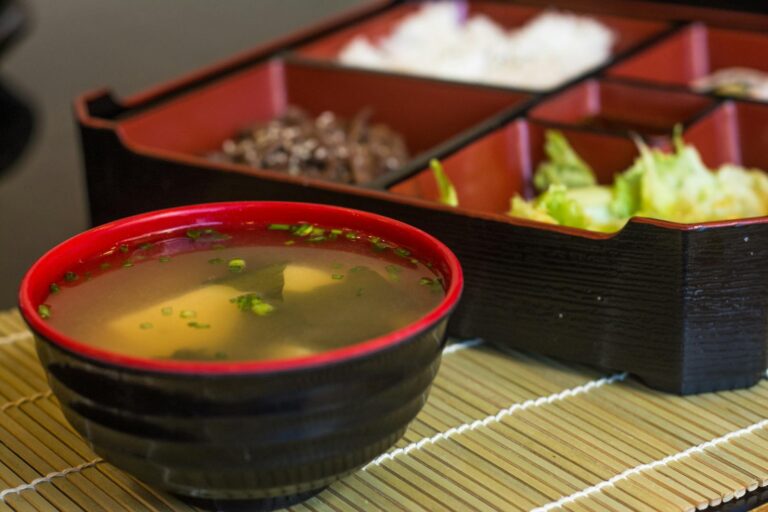
In Japanese cooking, miso usually goes in at the end—stirred into broth for soup, whisked into dressings, or brushed on fish right before serving. This keeps its delicate flavor intact. High heat kills its subtlety. Plus, miso dissolves easily, making it perfect for broths and sauces where you want flavor without chunks.
Doubanjiang plays by different rules. It needs to hit hot oil first—no exceptions. That sizzle mellows its harsh edges and spreads the spice evenly. This is why mapo tofu starts with doubanjiang hitting a scorching wok, and why dan dan noodles demand the same treatment. Skip this step, and your dish tastes flat and one-note.
Simple rule: if it’s miso soup, add the miso last. If it’s Sichuan, doubanjiang goes in first. Do the opposite, and you’ve already lost.
The real problem is that most Western grocers stock only mediocre versions of both, and the difference between good and bad is enormous
Supermarket miso often tastes thin and bland—nothing like the complex, funky stuff from a real Japanese producer. Same with doubanjiang. The jars on most shelves? Over-salted, sometimes sweetened, and miles away from the real thing.
For miso, look for brands like Hikari or South River, or hit up a Japanese market for small-batch options. For doubanjiang, seek out Pixian County versions—the ingredient list should be chilies, fava beans, salt, spices. No sugar. No fillers. If sugar’s in there, put it back.
The gap between grocery-store versions and the real deal isn’t subtle. It’s the difference between cooking with flavor and cooking with cardboard.
Start with doubanjiang in a proper mapo tofu recipe
Grab a tin of Pixian doubanjiang. Heat two tablespoons in a wok with chili oil, add garlic and ginger, then toss in tofu and Sichuan peppercorns. One bite, and you’ll get doubanjiang better than any explanation. Then make miso soup with good white miso—only after turning off the heat. Taste them side by side, and you’ll never confuse the two again.