Tokyo
Tokyo Bangkok
 Seoul
Seoul Singapore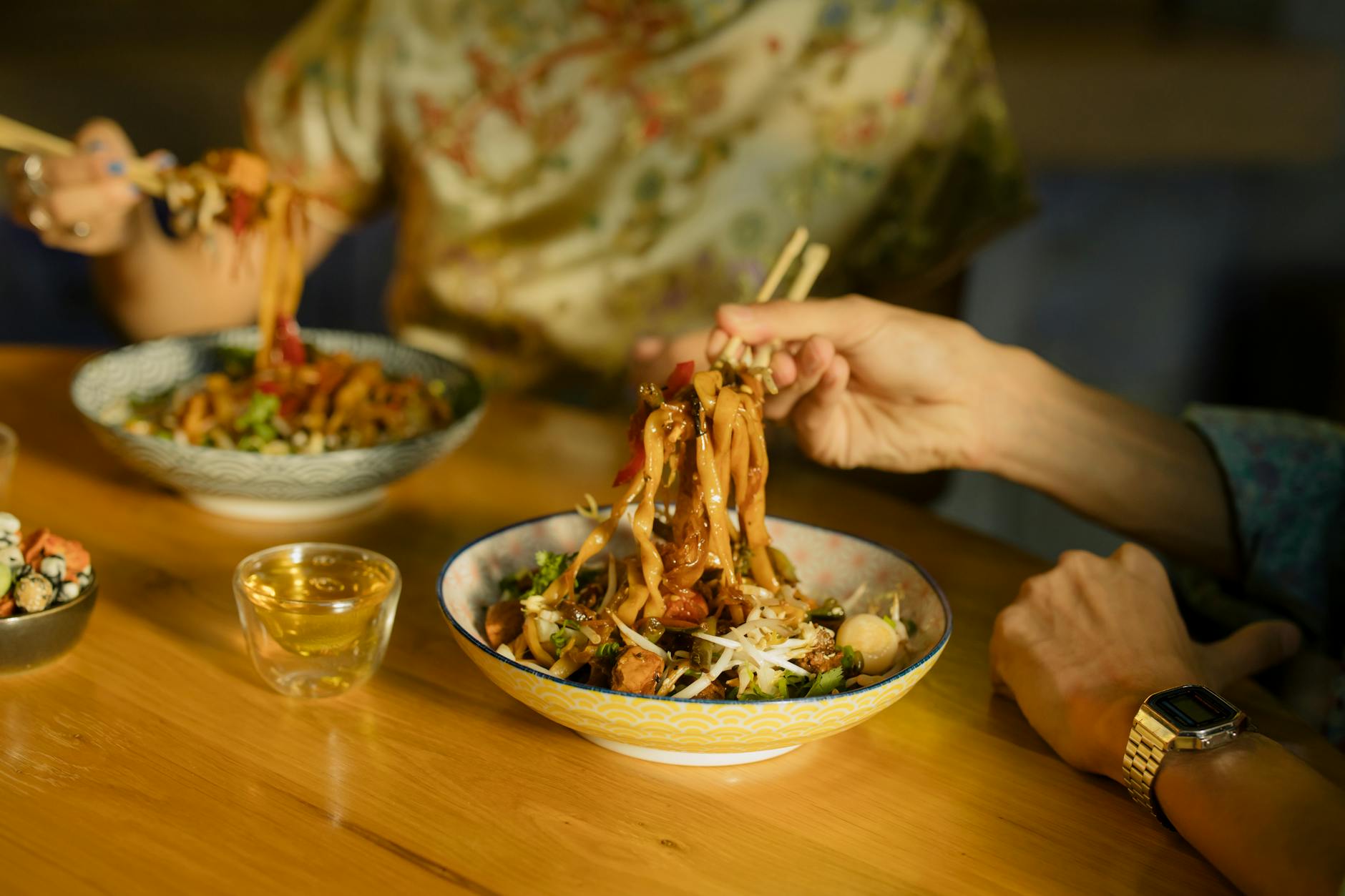
Mazemen: Japan’s No-Broth Noodle Dish Explained
Mazemen is ramen without the soup—born when a Tokyo chef in the 1980s cracked a delivery problem. How do you keep noodles great without broth going cold? The answer became one of Japan’s trickiest noodle dishes to nail.
Mazemen Is Ramen’s Opposite—And That’s Why It’s Harder to Execute
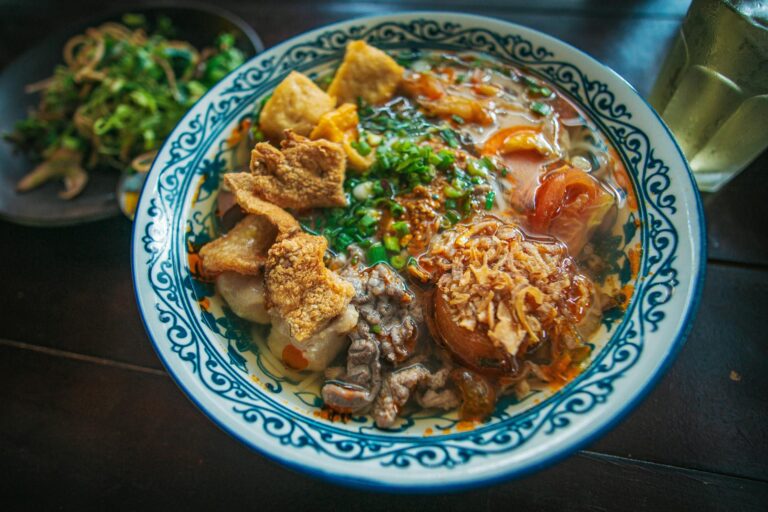
“Mixed noodles” is what mazemen means. No swimming in broth here. Instead, a punchy sauce—tare blended with fat, aromatics, maybe a splash of reduced broth—clings to every strand. That’s the technical kicker. Ramen leans on broth for flavor and texture. Mazemen makes the noodles do all the work. Every bite counts.
Great mazemen pulls off what most ramen joints can’t: noodles that stay perfect till the last bite. No hot broth means no safety net. The noodles need serious structure—enough alkalinity from kansui to stay firm and chewy even after 10 minutes. Soggy noodles? Fail. The good stuff gets better as you eat, with a snap that holds up.
The sauce is 30–40% fat—pork lard, chicken fat, sometimes both—whipped into miso, soy, or mirin-based tare. That fat isn’t just flavor. It keeps noodles from sticking and mimics broth’s richness. Temperature is everything. Too hot, the emulsion breaks. Too cold, the fat seizes up. It’s a tightrope walk.
Tokyo’s Shinjuku and Shibuya Neighborhoods Hold the Best Historical Examples
Mazemen started in mid-80s Tokyo at Aji no Sanpei, a Shinjuku ramen shop. Chef Takeda Osamu built it for delivery—noodles that wouldn’t turn to mush by the time they arrived. Today, Aji no Sanpei still slings the same miso mazemen: pork fat pools on top, garlic chips crunch, sesame lingers. Tastes like 1985 never left.
Shibuya’s Ramen Yokocho—a cramped alley packed with 15 shops—has three mazemen spots. Katsutoshi does soy sauce with burnt garlic oil and bonito flakes that bloom as you eat. Ippudo’s Shibuya outlet offers a decent intro bowl. Not mind-blowing, but a safe start.
Overseas, mazemen pops up inconsistently. Sydney’s Goro Ramen and London’s Koya Ko get it right. In NYC, Ichiran’s version depends on location—Midtown handles heat better than East Village.
Mazemen Restaurants Don’t Market Themselves, and That’s Why You’ve Never Heard of Them
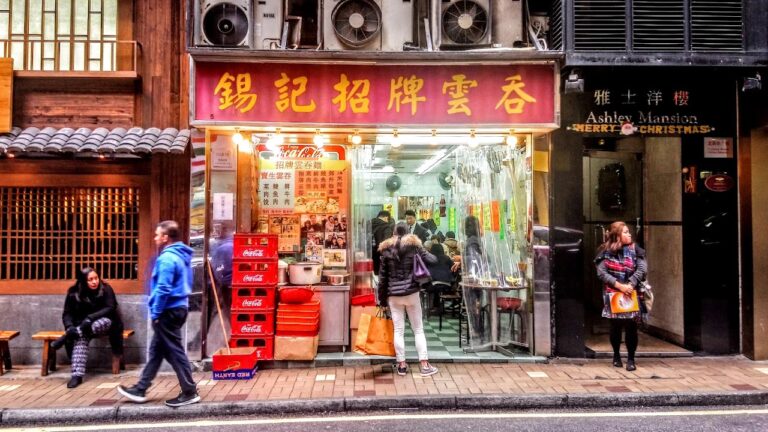
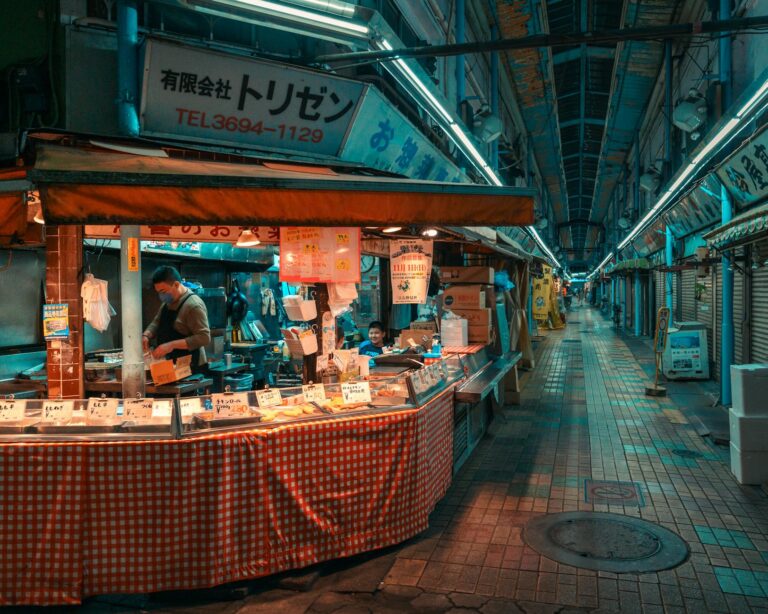
Ramen shops scream for attention. Mazemen spots? You’d walk right past them. No signs. No websites. Just tiny storefronts feeding office workers at lunch. Menya Musashi in Hatagaya—maybe Tokyo’s best—does 60 bowls a day. No English. No fanfare. Then they close.
You won’t accidentally find great mazemen. Need an address. Need local help. Travel guides ignore it—no photogenic broth, no Instagram hype like tsukemen. Result? Even ramen nerds often miss Japan’s best noodle secret.
Hit Menya Musashi in Hatagaya before noon. Order the miso mazemen. The line hits 45 minutes fast. One bite explains why this “simpler” dish takes more skill than ramen ever will.