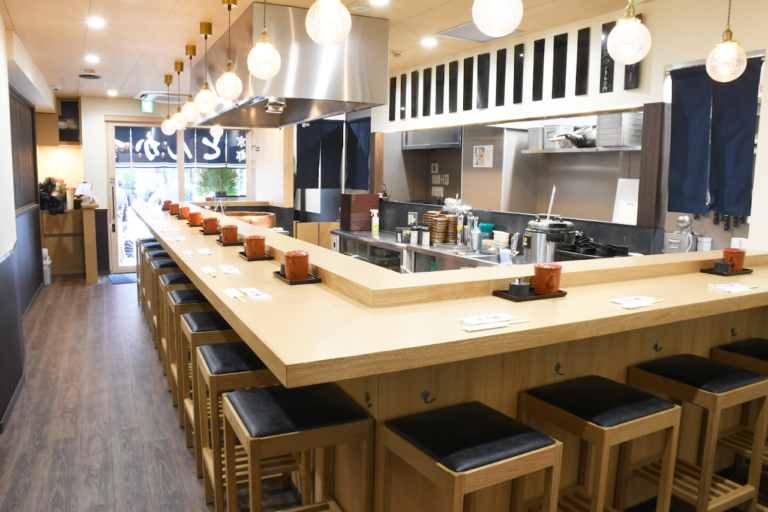
Tokyo
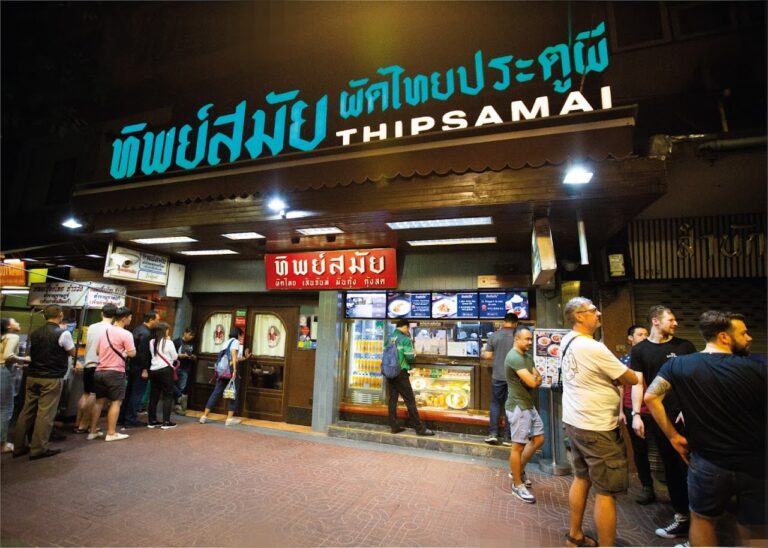
Tokyo Bangkok
 Seoul
Seoul Singapore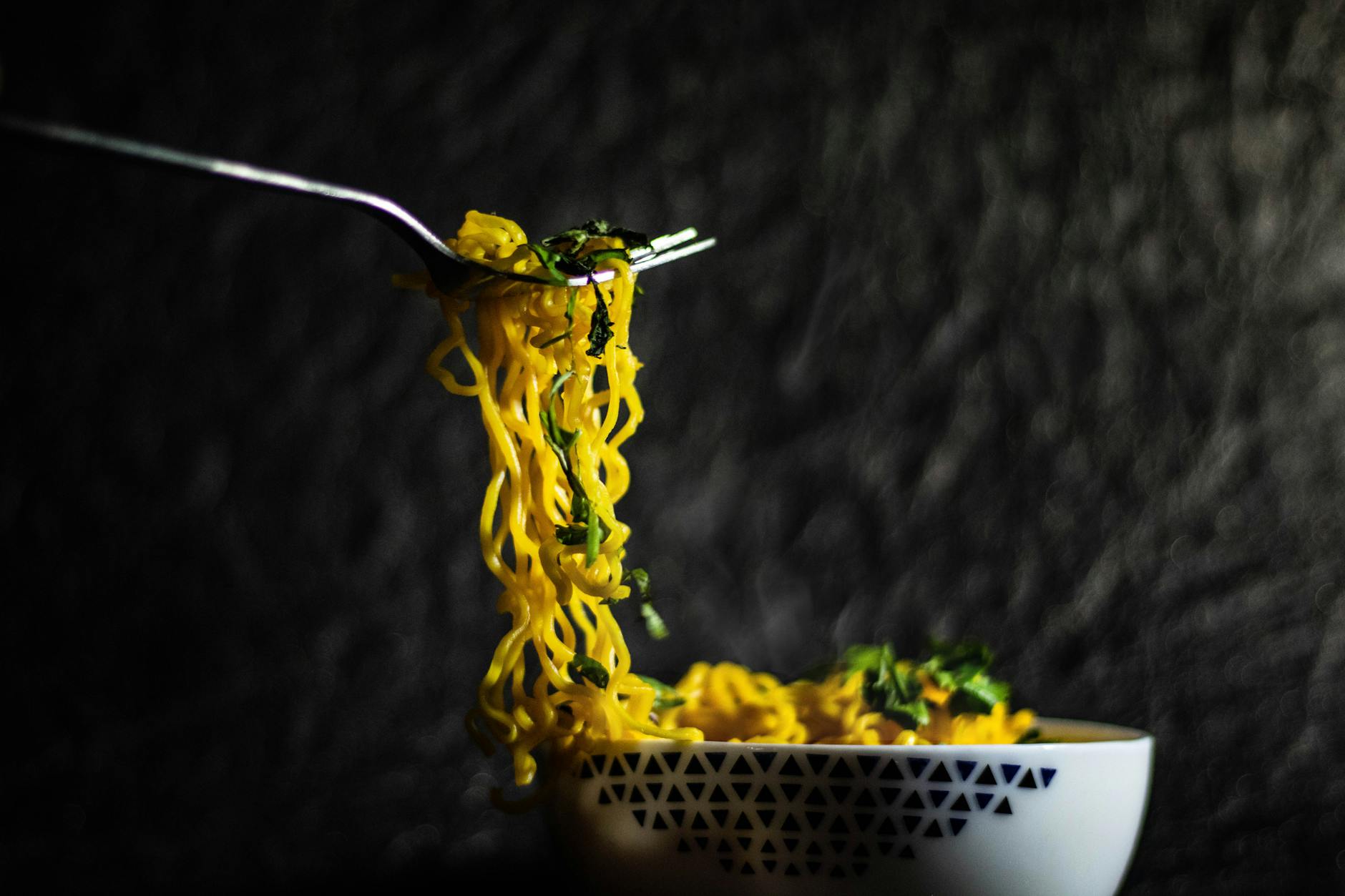
Abura Soba: Japan’s Oil-Based Noodle Dish Explained
Back in the 1950s, a Japanese noodle vendor hit a snag—he was fresh out of broth. Instead of shutting down, he threw hot noodles with garlic, oil, and toppings into a bowl. That quick fix turned into abura soba, Japan’s beloved no-broth noodle dish that’s now popping up everywhere from Tokyo to London.
What’s cool about abura soba? It flips the script on noodle soups. No broth here—just slick noodles loaded with umami toppings and a raw egg yolk you mix in yourself. Messy? Maybe. More fun than regular ramen? Definitely.
How Abura Soba Actually Works: The Oil-Based Formula
Abura soba’s magic is in the basics. Cook ramen noodles al dente, drain them dry, then toss with tare (usually soy-based) and fragrant oils. Sesame oil’s the standard, but chili or garlic oil kicks it up. Get the ratio wrong and it’s either a grease bomb or clumpy noodles.
Toppings keep it interesting: raw egg yolk, scallions, seaweed, sesame seeds. Some spots add crispy shallots or furikake. The move? Mix everything before eating—that yolk coats each noodle perfectly. Forget slurping; this is all about strategic twirling.
Tokyo’s Shinjuku shops nailed the mixing technique back in the day. By the 80s, it was a lunch staple. Now it’s also late-night fuel—oils sit easier than heavy broths after drinks.
Regional Variations Worth Seeking Out
Not all abura soba’s the same. Fukuoka’s version goes rich with pork fat and soft-boiled eggs. Osaka leans sweet with extra miso. Kyoto keeps it refined with dashi-infused oils and top-shelf soy sauce.
For the classic experience, hit Tokyo’s Tsukiji Outer Market. Abura Soba Tsukiji Ichigen does it right—thin noodles, punchy garlic oil, zero fuss. Lines stretch at lunch for good reason.
Yokohama’s ramen alley has solid shoyu-based versions. Out west in Hachioji, they crank up the heat with heavy chili oil—a spicy twist that’s got fans hooked.
Finding Authentic Abura Soba Outside Japan
Abura soba spread fast overseas. London’s Bone Daddies does it properly with imported noodles. Sydney’s Ippudo serves decent versions, though quality depends on the location.
In the US, New York’s Ichiran and Ippudo are safe bets. But smaller joints in Japanese neighborhoods often do it better. LA’s Little Tokyo has specialists like Daikokuya—they treat oil noodles as the main event, not a side note.
The trick abroad? Sourcing real tare and good noodles. Some places cut corners with basic sesame oil, which kills the flavor. When a shop gets it right, you’ll know—the oils should smell toasty and complex, not flat.
Never tried abura soba? Start in Japan if you can. But don’t wait—find a legit ramen spot near you that serves it. Mix that egg in, twirl the noodles, and see why a 1950s kitchen accident stuck around.