Thai vs Indian Curry: Coconut vs Dairy Showdown

On a Tuesday evening in Bangkok, my grandmother doesn’t make curry for guests—she makes it because it’s what’s for dinner. A pot of gaeng phed simmers on the stove, coconut milk curdling slightly at the edges, fish sauce adding that funky depth that makes you forget you’re eating something this simple. Meanwhile, in Mumbai, my cousin’s mother-in-law is tempering mustard seeds in ghee for a chicken tikka masala that’ll feed eight people for under 200 rupees. These aren’t special occasions. This is what families cook when there’s nothing planned, when the market had good prices, when someone’s coming home hungry.

The difference between Thai and Indian curry isn’t about geography or history—it’s about two completely different approaches to building flavor, and it starts with what you pour into the pot first.

Coconut Milk: The Thai Foundation

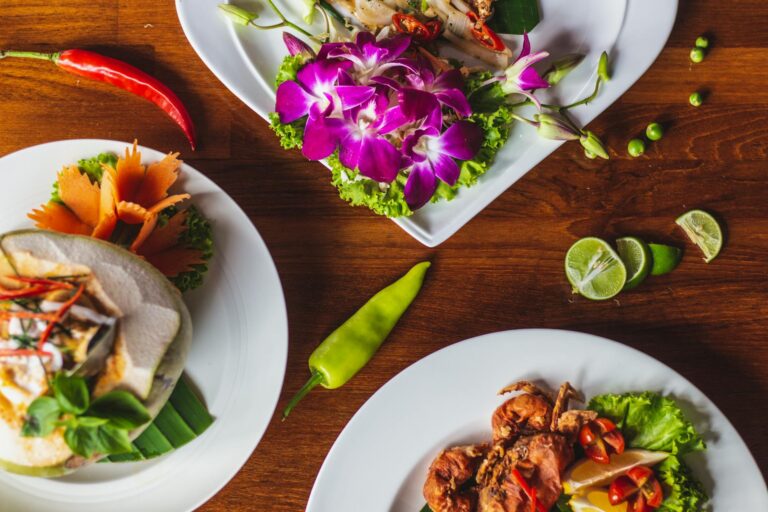
Thai curry begins with coconut milk, and this matters more than most people realize. When I make gaeng massaman or gaeng keow wan at home in Chiang Mai, the coconut milk isn’t a finishing touch—it’s the entire structure. You start with a curry paste (made from scratch with dried chilies, shallots, garlic, galangal, and lemongrass), fry it in a few tablespoons of the thick coconut cream that separates at the top of the can, then add the thinner milk. The coconut does two things: it mellows the heat and carries fat-soluble flavors like the oils from the chilies and spices.

The result tastes clean and bright, even when it’s spicy. You taste individual elements—the cilantro, the fish sauce, the lime—rather than everything blending into one unified sauce. This is why Thai curries work with such varied proteins: seafood, chicken, pork, even vegetables. The coconut milk doesn’t overpower. It’s a vehicle, not a destination. Most Thai families eat curry with jasmine rice several times a week. It’s practical, fast, and the coconut milk means you can make it without cream or yogurt sitting in the fridge.

Yogurt and Ghee: The Indian Approach

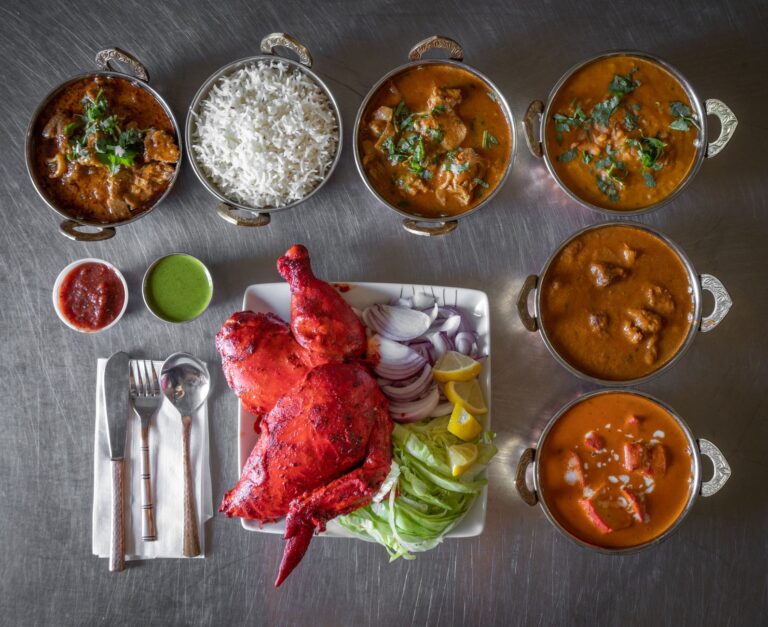
Indian curry, particularly in North India, builds differently. You’re tempering whole spices in ghee or oil—cumin seeds, cinnamon, bay leaves—and that’s where the flavor begins. Then you add onions and cook them until they’re deeply golden, almost caramelized. This takes time. Then tomatoes, then spice powders (turmeric, coriander, cumin, garam masala), and finally yogurt or cream. The yogurt doesn’t just add richness; it tenderizes meat and creates a sauce that clings to everything.

In Delhi or Bangalore, you’ll find butter chicken on weeknight tables, but you’ll also find simpler curries—a basic chicken curry with just onions, tomatoes, and spices, finished with a dollop of yogurt. The dairy creates body in the sauce. It’s heavier, warmer, more enveloping than Thai curry. The spices are cooked longer, their edges rounded by heat and fat. Everything tastes like it belongs together, like one complete thought rather than separate flavors in conversation.

When They Actually Meet on Your Plate

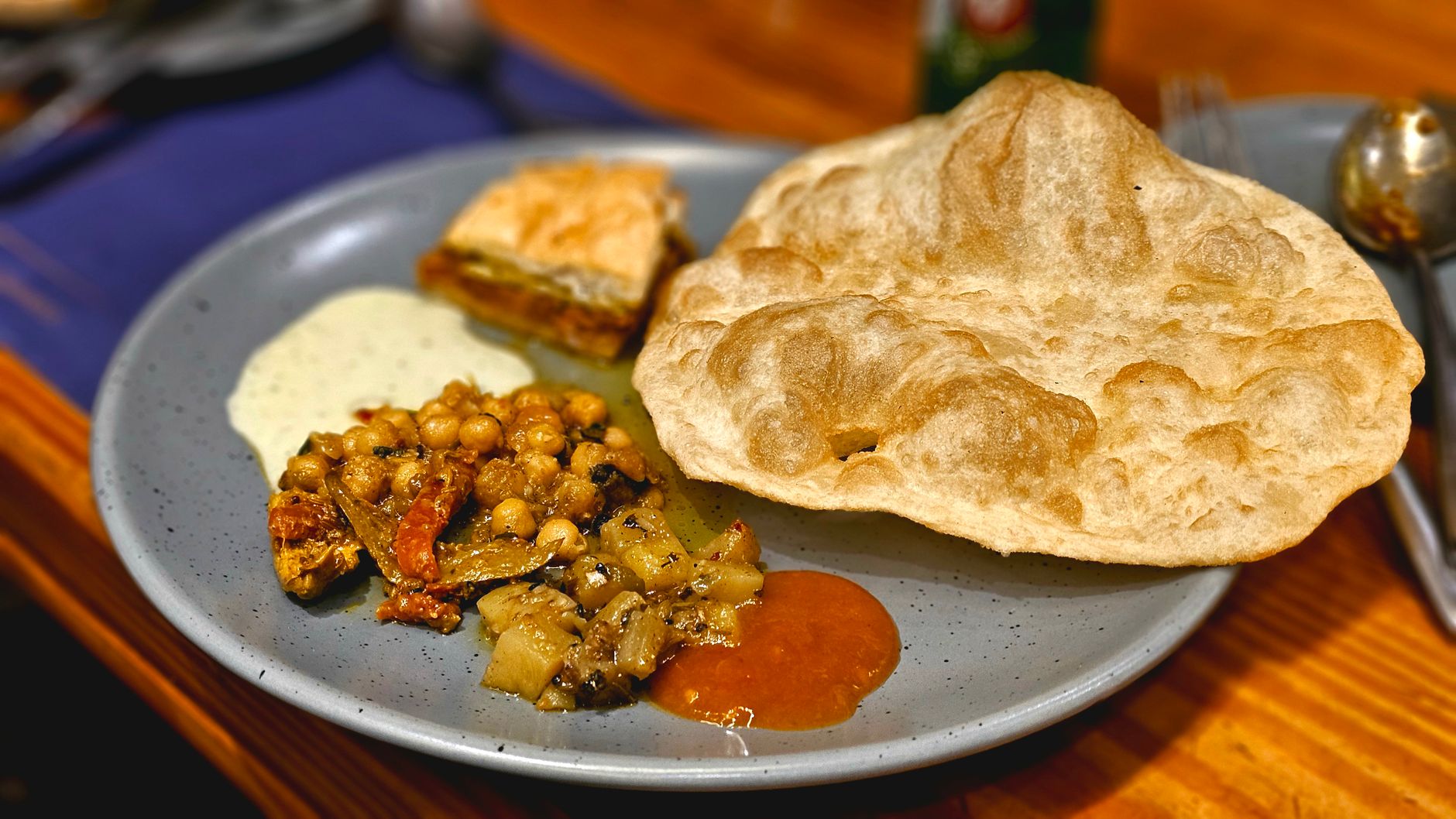
The practical difference matters when you’re eating. Thai curry with jasmine rice feels lighter—you can eat it every day without feeling weighed down. Indian curry with naan or rice sits differently in your stomach; it’s more substantial, more satisfying in a way that makes you want to stop after one bowl. Neither is better. They’re solving different problems.

If you’re cooking at home and wondering which to attempt first: Thai curry is faster and more forgiving. The paste carries most of the flavor work. Indian curry demands patience—proper caramelization of onions, proper cooking of spices—but once you understand the technique, it becomes meditative. Start with whichever cuisine you actually eat regularly, because that’s where you’ll understand what’s supposed to happen on the plate.

Priya Nair
About the Author
Priya Nair

Priya Nair is WokFeed's South and Southeast Asian food specialist. Born in Mumbai and now based in London, she writes about Indian street food, Thai cuisine, and Vietnamese cooking. Priya believes the best food stories are found on plastic stools, not in Michelin-starred restaurants.

📊 Data Sources & Editorial Standards
📍 Google Maps✍️ Editorial Research

WokFeed's restaurant guides are compiled from real traveler data, on-the-ground research, and cross-verified across multiple platforms. Our editorial team fact-checks all recommendations before publication.

Similar Posts