Tokyo
Tokyo Bangkok
 Seoul
Seoul Singapore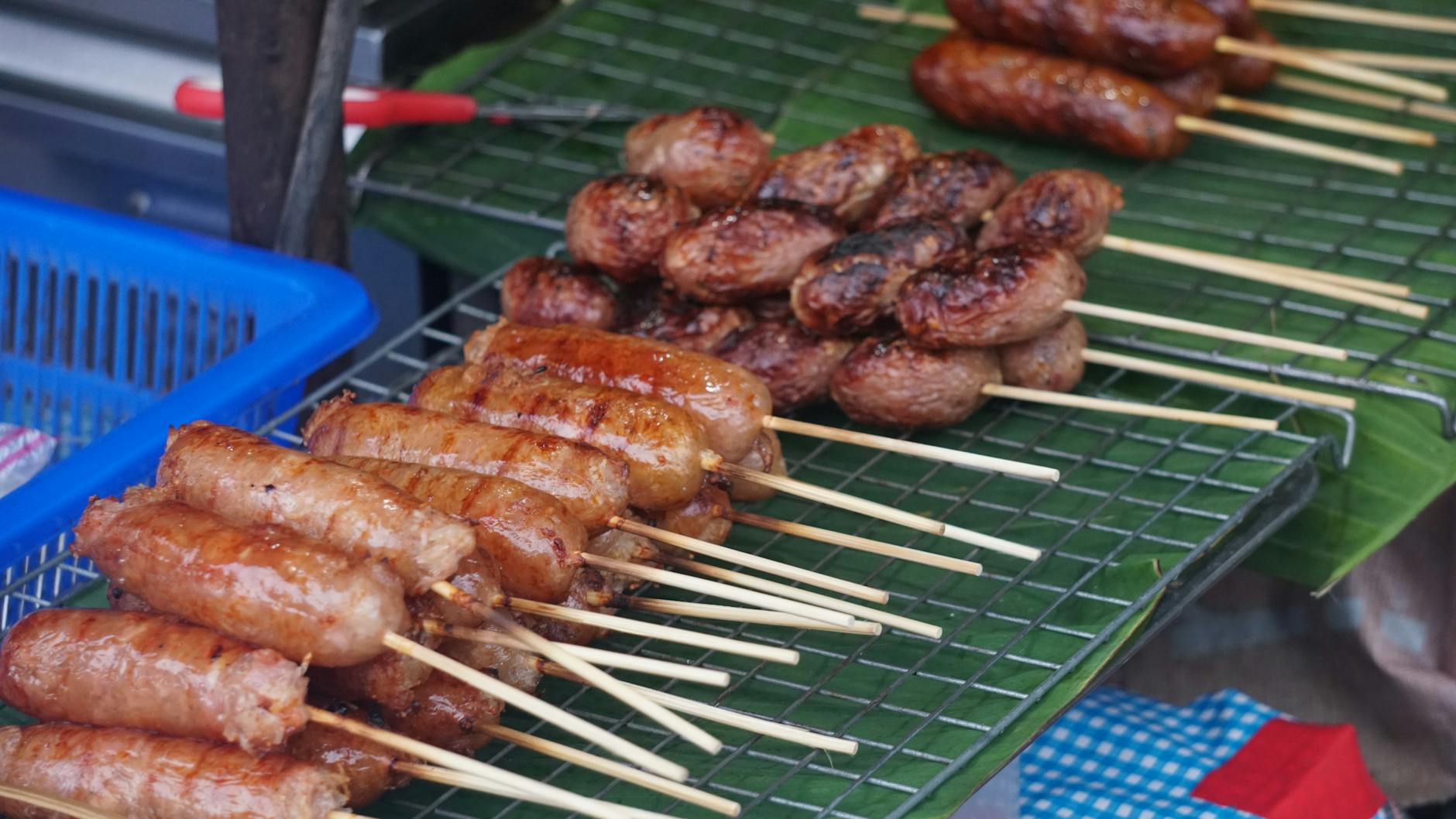
Chiang Mai’s Sai Oua Renaissance: Where Suthep’s Best Sausage Lives
Why Chiang Mai’s Sai Oua Hits Different
Chiang Mai isn’t just Thailand’s second city—it’s where sai oua, the coiled northern sausage, tastes like someone stuffed the Lanna region into pork casings. Forget Bangkok’s trend-chasing food scene or Phuket’s resort menus. Up here, generations of makers have honed recipes that don’t need hype. The mountains supply key herbs: lemongrass, galangal, kaffir lime. But what really sets Chiang Mai apart? Sausage makers who treat their craft like sacred duty. No shortcuts. No compromises.
This isn’t the cleaned-up version you’ll find in Bangkok food courts. It’s greasy, funky, unapologetic. The kind of flavor that comes from grandma’s kitchen, not a corporate test lab.
The Spot: Sai Oua La Wan
Tucked into Suthep district (QXR6+6CR, Mueang Chiang Mai District), Sai Oua La Wan clocks a 4.4-star average across 14 reviews. In a city where sai oua stalls crowd every block, that number speaks volumes. People return. They don’t just stumble by. The rating’s perfect—high enough to signal quality, low enough to avoid the tour bus crowd.
What makes La Wan stand out? Look at the sausage. You’ll spot actual herb flecks and meat chunks through the casing. No MSG crutches or sugar bombs here. This is the kind of place that sources pork from one farmer, tweaks herb blends with the seasons, and keeps it simple: sai oua and sticky rice. No menu needed.
Chiang Mai’s Sai Oua Secret
Bangkok’s versions often taste identical—same supplier, same recipe. Up north, each maker puts their spin on it. Some go heavy on turmeric (expect a bitter edge). Others dial up the galangal until it’s almost medicinal. Suthep, where La Wan sits, hits the sweet spot: close enough to city markets for fresh supplies, far enough to keep its local soul.
Grilling method matters too. Charcoal, not gas. That’s how you get the crusty exterior and smoky depth that gas can’t fake. The fat content runs higher than Bangkok versions—that’s why the inside stays juicy while the outside chars. It’s science, perfected through repetition.
Here, sai oua isn’t just street food. It’s breakfast. It’s lunch. It’s a meal people build their day around. That changes everything.
How to Do It Right
Early birds win. Most vendors start at 7 AM and sell out by 11. Show up at 9? You’re getting sausage made that morning, not yesterday’s leftovers.
Get sticky rice. Not jasmine. Not fried. Sticky rice soaks up the sausage’s fat and spices the way it’s meant to. This combo wasn’t an accident.
Don’t expect English menus. La Wan serves locals, not tourists. Point at what others are eating or show a photo. The language gap? A good sign.
Plan on 60-100 baht ($1.70-$2.80). You’re paying for ingredients, not a foreigner tax.
Why It’s Worth It
Sai Oua La Wan hasn’t been polished for food blogs. No Instagram backdrops. No heartwarming origin story crafted for journalists. Just a 4.4-star average from people who cared enough to say: “This sausage slaps.”
Add it to your list not because it’s famous, but because it’s real. The kind of place that reminds you why we chase flavors in the first place.