Tokyo
Tokyo Bangkok
 Seoul
Seoul Singapore
Perfect Miso Ramen Recipe: Authentic Japanese Method
Watching a Hokkaido ramen chef at dawn tells you everything. She tastes the simmering broth, nods, then adds just one ladle of miso paste. No shortcuts here—just deep understanding of how flavors build.
Broth Basics
This is where miso ramen wins or loses. Start with chicken bones (backs and necks work best), a halved unpeeled onion, smashed ginger, and dried shiitakes. Boil everything briefly, then drain and rinse. That first boil clears out impurities that cloud the broth.
Now the real work begins. Simmer everything again with fresh water and kombu for 8-10 hours. Low and slow is key—it pulls out collagen for that rich texture Sapporo shops are known for. Many add chicken fat or lard at the end. Don’t skip this. Strain through cheesecloth for crystal-clear liquid gold.
Miso Matters
Most home cooks get this wrong. Red miso or a red-white blend works best—Hikari and Marukome are solid choices. Pure white miso lacks punch; straight red can overwhelm. A 60/40 red-to-white ratio hits the sweet spot.
Here’s the trick: never add miso to boiling broth. Instead, mix it with a cup of warm broth first. Whisk until smooth, then blend it back in. Taste as you go—you want umami depth, not a salty assault.
Finishing Touches
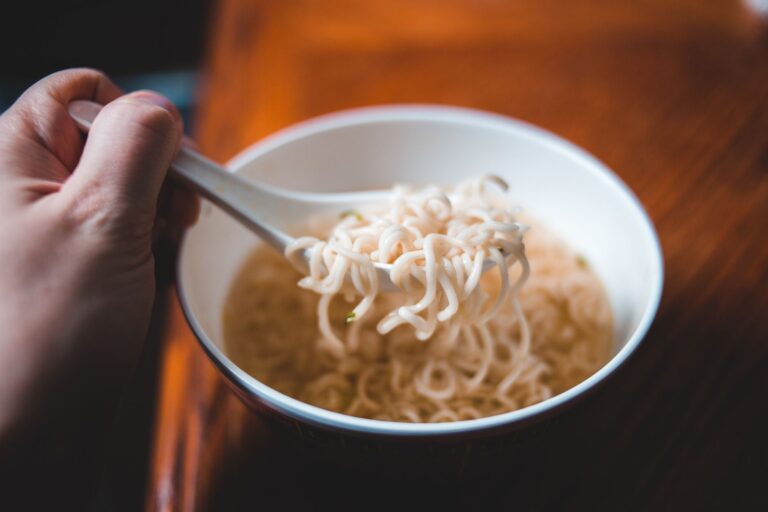
Fresh alkaline noodles make all the difference. Cook them separately in salted water until just tender. Drain well before serving.
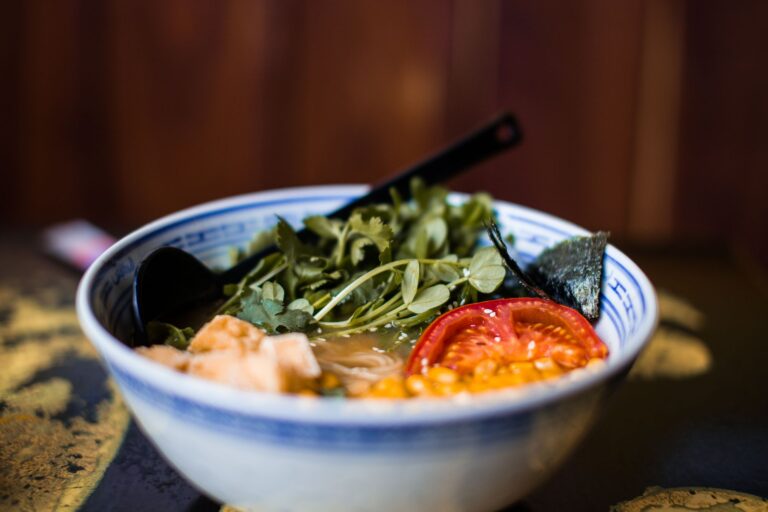
Toppings should be simple but thoughtful. Jammy 6-minute eggs. Thin chashu pork slices. Scallions. Nori. Offer chili oil or Japanese mustard on the side for heat. Corn or sprouts? Optional. The real magic happens when you respect each element.
Good miso ramen takes time. Rush the broth, and you’ll taste it. Skimp on noodles, and you’ll notice. Do it right, and you’ll understand why Hokkaido locals wait in line for this.