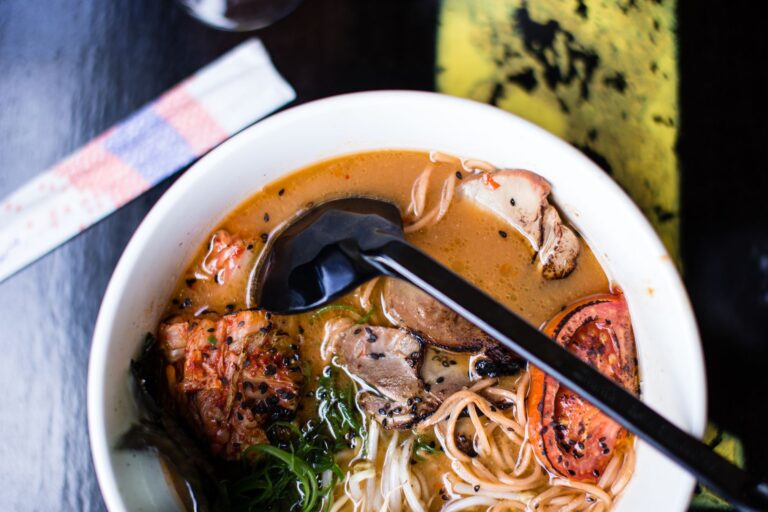
Tokyo
Tokyo Bangkok
 Seoul
Seoul Singapore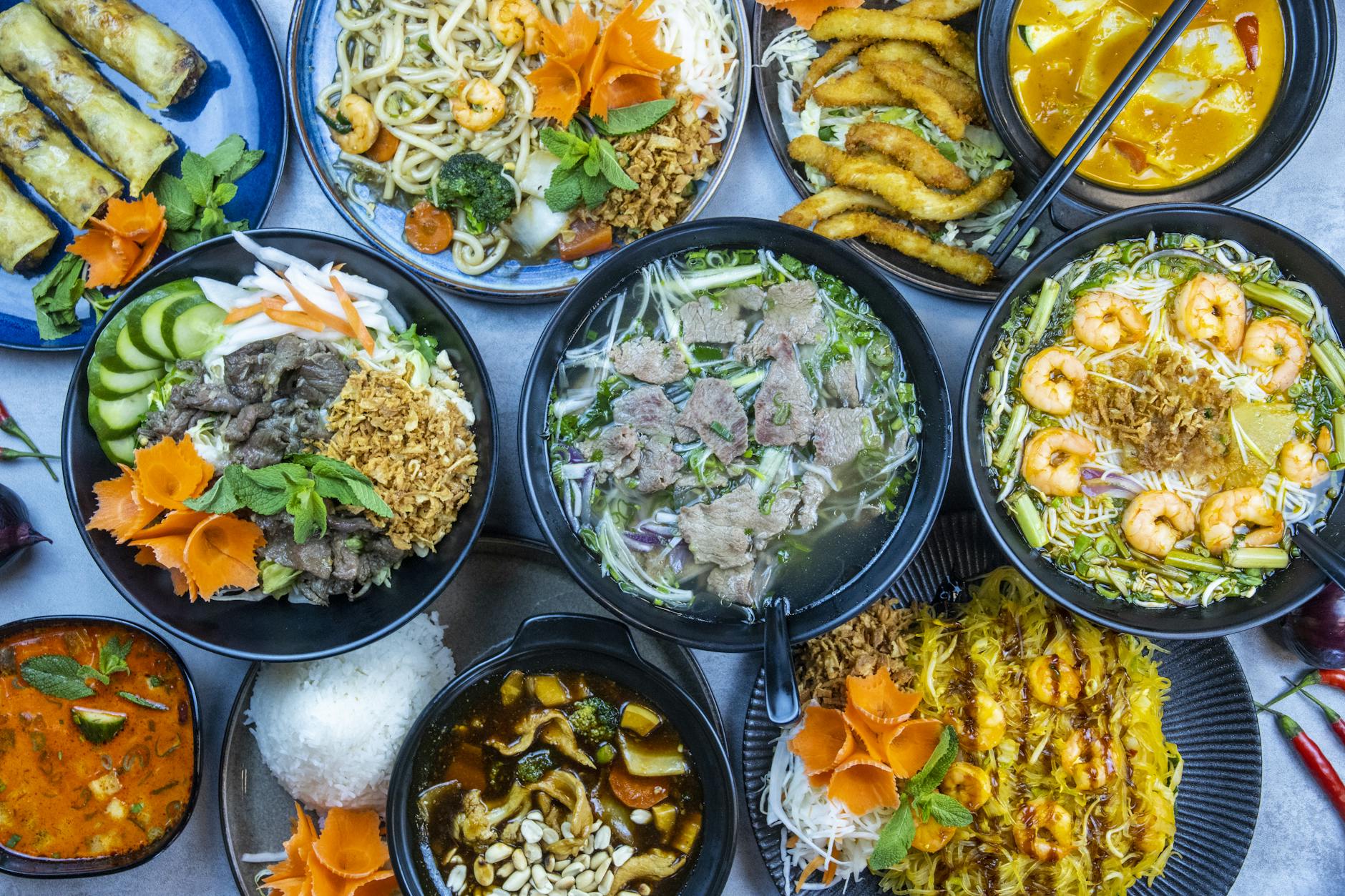
Thai Pla Pao Recipe: Authentic Street Vendor Technique
The salt crust on pla pao isn’t about preserving the fish—it’s science. Too little salt and the fish dries out; too much makes it inedible. Street vendors know this trick: it’s all about controlling steam and locking in flavor.
Why Salt Crust Pla Pao Works Better Than Any Other Whole-Fish Method
Pla pao—that whole fish baked under salt—solves a simple but tricky problem. How do you get crispy skin without drying out the flesh? The salt crust forms a sealed bubble. Steam circulates inside, keeping things moist while the outside gets perfectly crisp. That’s how a 1.5-pound fish cooks through in just 20 minutes at 400°F (200°C).
Done right, the skin crackles under pressure. The flesh flakes cleanly near the backbone with a hint of sweetness from the salt reacting with the fish’s natural juices. Mess it up and you’ll get rubbery skin or a salt bomb. The magic number? Two pounds of salt per 1.5-pound fish. Seems excessive, but most of it just regulates heat—not flavor.
The Ingredient Ratio That Separates Street Vendors From Home Cooks
Grab 2 pounds (900g) of kosher salt, 3 egg whites (90g), and 2 tablespoons water. Mix until it feels like damp sand—this texture matters. The egg whites help the crust hold together. Spread half on a foil-lined tray in a 1/2-inch layer. Pat your fish dry (1.5 pounds, scaled and gutted), lay it down, then bury it completely in the remaining salt mix. Bake at 400°F for 20-22 minutes.
Test doneness with a knife—it should slide through effortlessly. Don’t trust the color; the crust browns before the fish finishes cooking. That’s why Bangkok vendors crack it open right at your table.
When ready, tap the crust with a spoon and peel it away. Serve with three essentials: lime wedges, prik bon (chili-salt mix), and nam jim (fish sauce with lime, palm sugar, and bird’s eye chilies). This combo isn’t optional—it’s what balances the salty crust with bright, spicy, sweet notes.
Why Bangkok Vendors Use Whole Fish With Head and Scales Intact—and You Should Too
The head and scales aren’t just for show. They help distribute heat evenly—something fillets can’t do. Scales protect the skin from burning. And here’s the secret: the best bites hide near the gills. The cheek and collar meat pack more flavor than the rest of the fish. Vendors know this. They’ll flip the fish and offer you those prized bits first.
Stick to fish between 1.25 and 1.75 pounds. Smaller ones cook too fast; larger ones won’t cook through properly. Sea bass, snapper, or branzino all work. Get it scaled and gutted, but keep that head on.
For authentic pla pao, use a 1.5-pound whole fish with that 2:1 salt ratio. Serve it hot with nam jim and prik bon. That’s how they do it in Bangkok—and how it should taste at home.