Tokyo
Tokyo Bangkok
 Seoul
Seoul Singapore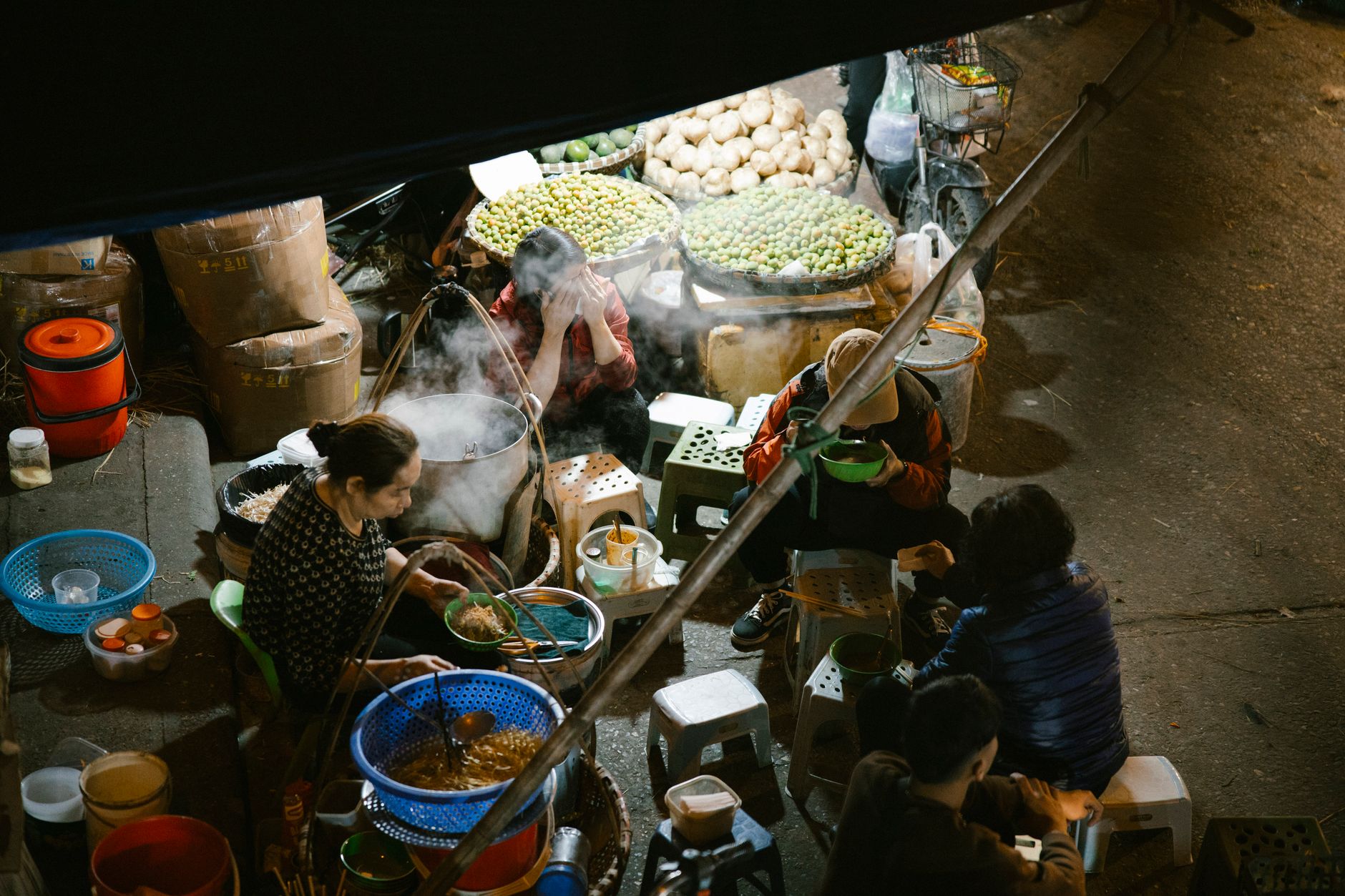
How to Make Authentic Bindaetteok at Home
Bindaetteok Needs Whole Mung Beans—Not Flour—Here’s the Game-Changing Reason
Western bindaetteok recipes often take a shortcut: they use pre-ground mung bean flour. Big mistake. Authentic Korean versions start with whole dried mung beans soaked overnight, then roughly ground into a chunky batter. Why does this matter? Whole beans retain their natural texture, giving the pancakes a delicate crumb with real bite—nothing like the gummy mess flour produces. You’ll notice tiny bean fragments throughout, adding welcome texture you just can’t get from powder.
A great bindaetteok walks a tightrope: shatteringly crisp outside, almost custardy inside. It holds together without turning tough. Most home cooks mess this up by using flour, skimping on soak time, or cooking at the wrong temperature.
Soak Whole Mung Beans for 4 Hours—No Cheating
Grab 1 cup (200g) dried mung beans. Rinse well, then soak in 3 cups water for 4 hours minimum. This isn’t just busywork—it softens the beans just enough for grinding while keeping them raw. Drain thoroughly, then pulse in a food processor with 1/4 cup water. Stop when it looks like wet sand with some pea-sized bits remaining. About 2-3 minutes. Don’t turn it into baby food.
Mix in 1/2 tsp salt, 1/4 tsp white pepper, and 1/2 tsp sugar. Some recipes add garlic or ginger, but purists let the beans shine. The batter should cling to a spoon without dripping.
Let it rest 10 minutes. Prep your fillings now. Classic choices: salted mung bean sprouts with sesame oil, kimchi, and scallions. Ground meat works too (cook it first with soy sauce), though veggie versions are just as legit.
Oil Temperature Makes or Breaks Your Bindaetteok
Heat 3 tbsp neutral oil in a 10-inch skillet over medium-high until it shimmers—around 350°F. You want a loud sizzle when batter hits the pan, but no smoke.
Pour 1/3 cup batter into the skillet. Use a spoon to spread it into a messy 6-inch circle. Perfection is overrated—those ragged edges become the best crispy bits. Scatter fillings on top, then drizzle 2 tbsp more batter over them. This creates texture pockets.
Leave it alone for 4-5 minutes. Listen for that steady sizzle. When the bottom turns deep gold and edges curl, flip carefully. Cook the other side 3-4 minutes. It’ll firm up as it cools.
Drain on paper towels. Repeat.
Bindaetteok Is Working-Class Food—Serve It Like That
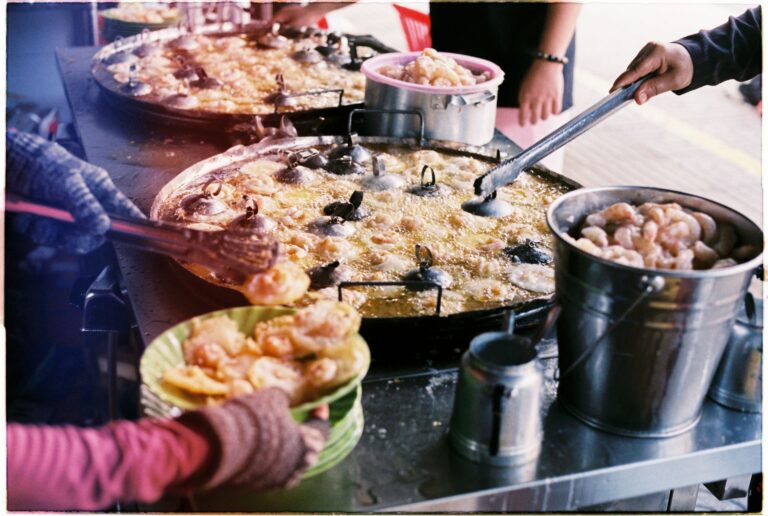
This dish came from 1960s Seoul street stalls, feeding laborers and students. No fancy plating needed. Tear it with your hands. Dip in soy sauce mixed with rice vinegar and a pinch of sugar. Pair with radish kimchi and cold barley tea.
Eat it hot. Once cooled, the magic disappears—the crispness fades into chewiness. Make it when you’re ready to dig in.