Tokyo
Tokyo Bangkok
 Seoul
Seoul Singapore
Fermented Asian Foods: Probiotic Powerhouses Beyond the Hype
In Seoul, grandmothers always have multiple kimchi batches fermenting in their fridges. Not for show—just daily life. Tuesday dinners, lunch boxes, the little dishes that automatically appear at meals. Across Asia, fermented foods aren’t wellness fads. They’re how people eat. Kimchi, natto, tempeh, miso? Ancient staples. They kept families fed through winters, prevented spoilage, and stuck around because they work. Good for your gut. Even better with rice.
Kimchi: The Refrigerator That Became a Meal
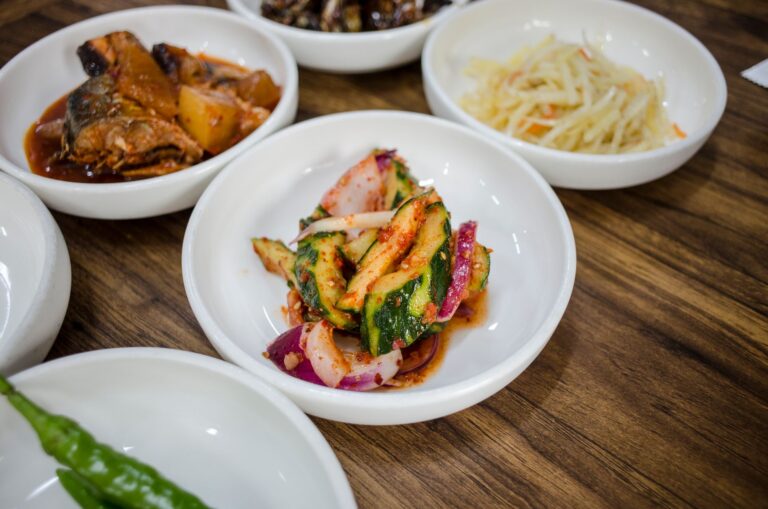
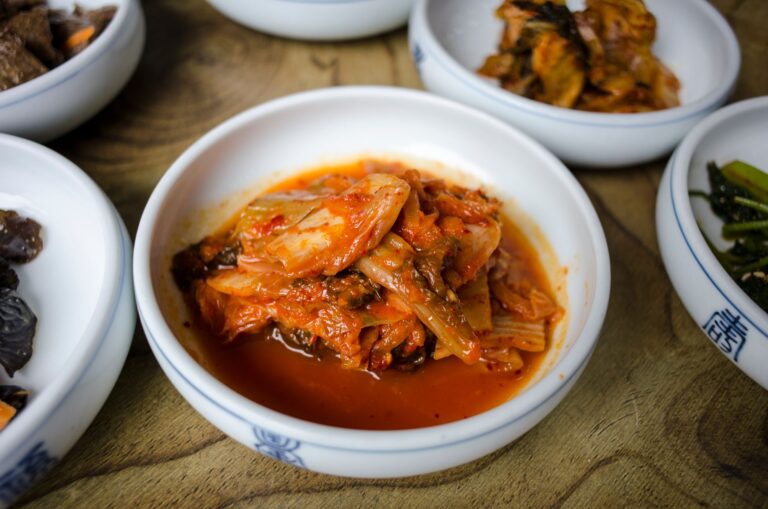
Kimchi began as survival, not a trend. Koreans buried fermented veggies in jars to last through barren winters. Now? Still essential. Every meal gets kimchi—breakfast, lunch, midnight snacks. Supermarkets devote whole aisles to it: classic napa cabbage, radish, cucumber, even seafood versions. Aunts still make their own with gochugaru, fish sauce, garlic, ginger. Weeks of fermentation build that sour punch. Probiotics multiply as lactobacillus takes over. No Korean meal feels right without it. The lactic acid aids digestion and cuts through rich flavors. Regional differences exist: Seoul favors cabbage, Busan adds squid. Age matters too. Fresh kimchi tastes bright; older batches get funky and deep.
Natto: The Acquired Taste That Separates Locals from Visitors
Natto hits you fast. Stringy, slimy fermented soybeans. Tourists often gag. Japanese folks? Breakfast. They mix it with rice, raw egg, soy sauce without thinking. Bacillus subtilis bacteria creates those sticky threads and sharp ammonia smell. You’ll find it everywhere—convenience stores, bento boxes, family tables. The texture’s a hurdle. But the flavor? Savory, almost meaty. Nagano’s natto is legendary, thanks to perfect water and climate. Locals eat it because it’s cheap, protein-packed, and actually tasty once you get it. Fermentation unlocks more nutrients than plain tofu.
Tempeh and Miso: The Quiet Workhorses
Tempeh and miso don’t shout like kimchi. They just get the job done. Tempeh—Indonesia’s fermented soybean cake—shows up in curries, stir-fries, street food. Rhizopus mold binds the beans into a firm block, easier to cook than tofu. Families fry it crispy or simmer it in coconut gravy. Miso? Japan’s flavor backbone. Stirred into soups, smeared on fish, whisked into dressings. Real miso soup—dashi broth, tofu, seaweed—is home cooking, not restaurant fare. Red miso ferments longer, tastes earthy. White miso stays sweet. Both pack live cultures if you add them late.
These foods solved real problems: keeping food edible, boosting nutrition, aiding digestion. Start simple. Toss kimchi into fried rice. Try instant miso soup. Fry tempeh till crispy. Your gut will catch on fast. Then you’ll get why these never left the rotation.