Tokyo
Tokyo Bangkok
 Seoul
Seoul Singapore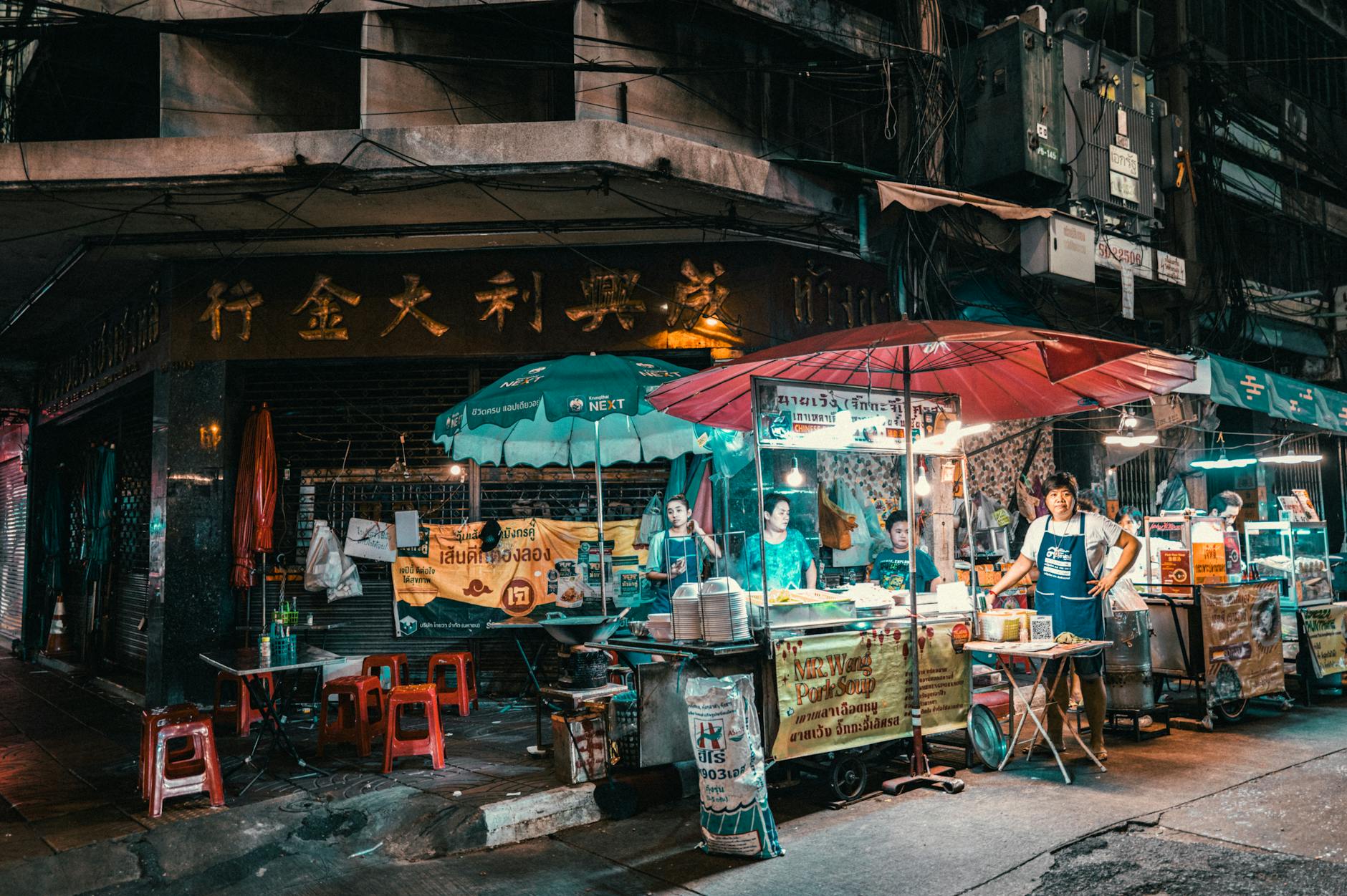
Bangkok Food Guide: Yaowarat to Ekkamai Neighborhoods
Watch any Bangkok wok master at work—one hand flipping garlicky morning glory, the other tossing noodles, all while managing the fire. The magic isn’t in fancy techniques. It’s in the rhythm. To eat like a local, skip the hotel restaurants. Head straight to Yaowarat, Chinatown, and Ekkamai. These spots show Bangkok’s real flavor.
Yaowarat: Where Gold Meets Grilled Meat
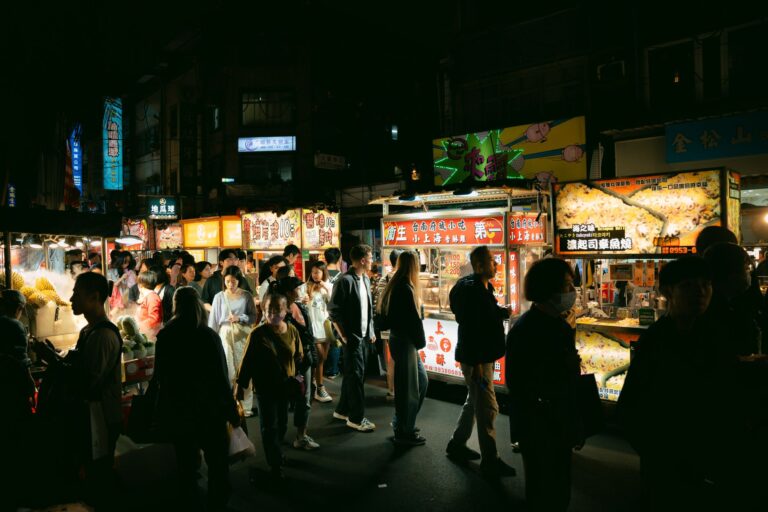
Yaowarat Road comes alive at night. Gold shops shutter, grills fire up, and the air fills with charcoal smoke. This is Bangkok’s original night market. Eat standing up, beer in hand. Vendors specialize in gai yang (grilled chicken), sticky rice, and som tam. Nai Mong Hoi Tod does oyster omelettes right—crispy outside, custardy inside, 60 baht. The trick? A wok over open flame, constant motion. Near Soi Nana, follow the smoke for grilled meats. The chicken soaks in garlic, coriander root, and fish sauce for hours. Grab sticky rice from a plastic-lined basket. A full meal costs less than a hotel cocktail. Tastes better, too.
Chinatown’s Dim Sum and Noodle Traditions
North of Yaowarat, Chinatown’s Sampeng Lane holds generations of Chinese cooking. Early mornings mean dim sum—Nai Mong Hoi Tod or carts at Yaowarat Plaza. Watch grandmothers fold har gow dumplings. The pleats? Translucent. For noodles, Jok Seng serves boat noodles in a dawn-simmered broth. Pork bones, dried chilies, fermented bean paste give it depth. Go bold with offal—liver, intestines add richness. Thin, chewy noodles soak up every drop. Bowls run 40-50 baht, with fresh herbs and pickled chilies on the side.
Ekkamai: Neighborhood Eating Without the Crowds
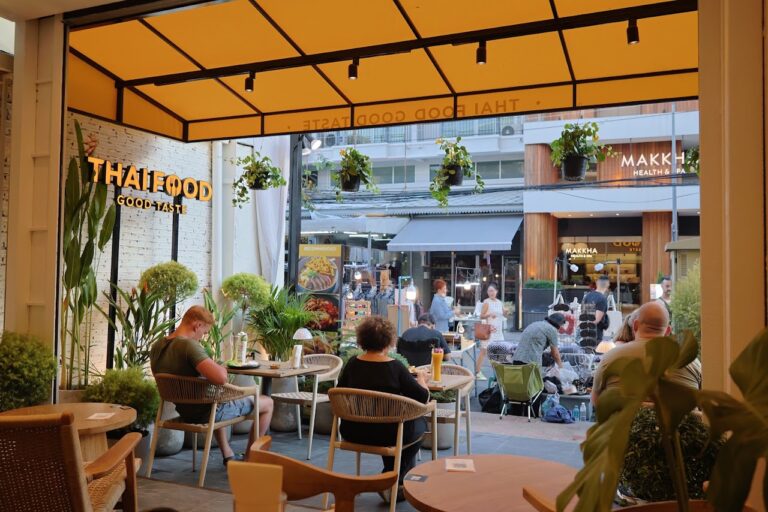
Ekkamai feels like old Yaowarat—unpolished, real. Office workers eat lunch here. Soi Ekkamai’s shophouses specialize: one does khao man gai, another boat noodles, another grilled fish. The chicken? Poached in ginger-garlic broth, served over rice cooked in the same liquid. Simple. Perfect. The sauce? Just pounded ginger, garlic, chilies. Near BTS Ekkamai, grilled fish stalls do whole fish over charcoal. Lime juice, chilies, fish sauce finish it. No frills. Just heat and salt. Packed at noon, empty by 2 PM. Time it right.
Bangkok’s best meals aren’t about secrets. It’s about timing. Hit Yaowarat after 7 PM. Dim sum before 11 AM in Chinatown. Lunch in Ekkamai at noon. Eat when locals do. The food tastes better that way.