Tokyo
Tokyo Bangkok
 Seoul
Seoul Singapore
10 Must-Try Korean Night Market Dishes
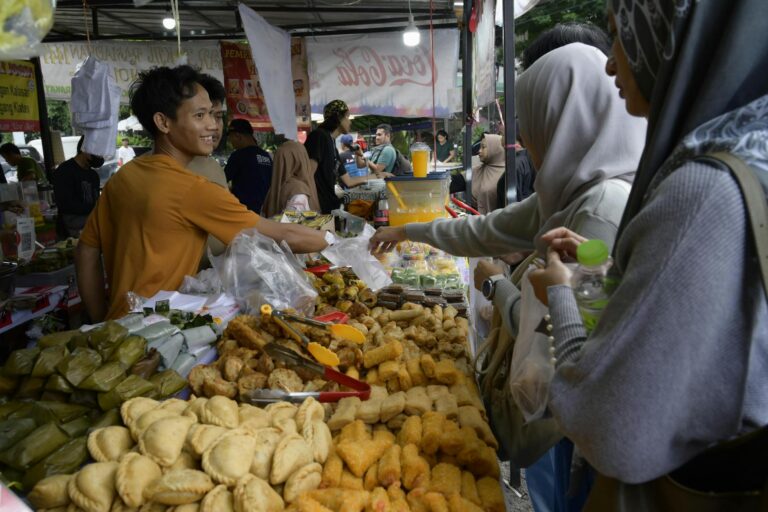
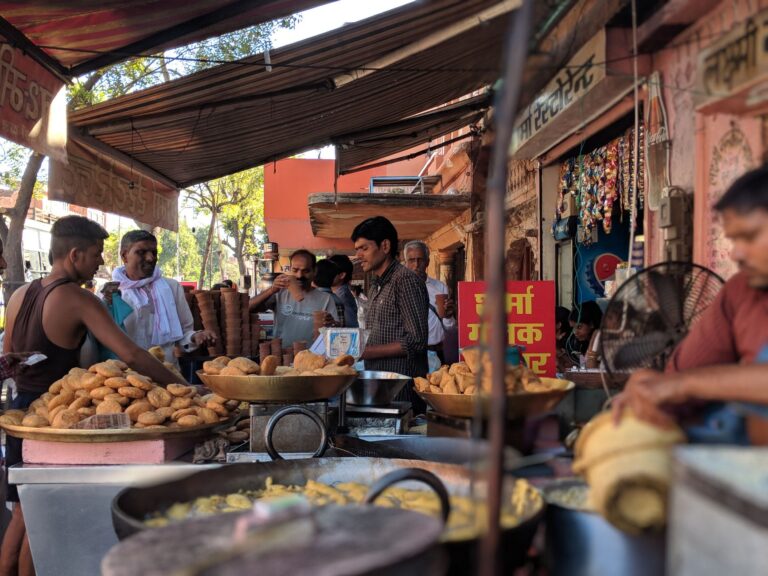
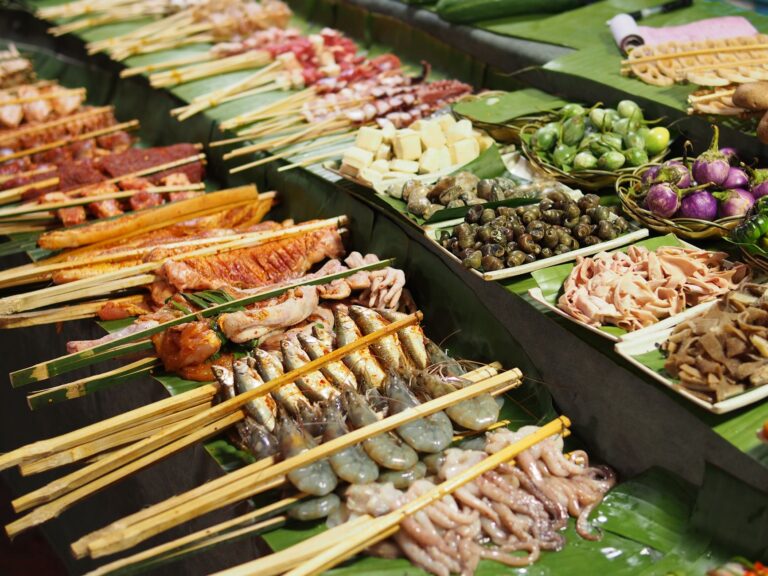
When the sun goes down, Korean night markets come alive with sizzling pans and hungry crowds. These open-air feasts draw millions each year, turning city blocks into food playgrounds where smoke, steam, and laughter mix in the air. From Seoul’s packed alleys to Sydney’s Korean hubs, these spots serve up the real deal—dishes that fuel late-night cravings and keep traditions cooking.
How Korean Street Food Became a Way of Life
Night markets aren’t just places to eat. They’re where history gets passed down one skewer at a time. After the Korean War, these spots gave families affordable meals outside fancy restaurants. Now UNESCO calls the vendors culture keepers—and for good reason.
What makes street food special? No frills, just skill. Many stalls have run for generations, using the same methods their grandparents did. That’s why food lovers flock here—you’re tasting decades of practice in every bite.
Eat Like a Local: Korean Night Market Musts
1. Odeng (어묵) – Fish cakes on sticks, swimming in hot broth. Simple. Satisfying. The ultimate comfort food, rain or shine.
2. Sundae (순대) – Blood sausage packed with noodles and pork. Chewy outside, soft inside. Way better than it sounds.
3. Tteokbokki (떡볶이) – Chewy rice cakes in spicy sauce. The good stalls make their sauce fresh daily—you can taste the difference.
4. Hotteok (호떡) – Crispy pancakes oozing with brown sugar. Like a hug for your taste buds.
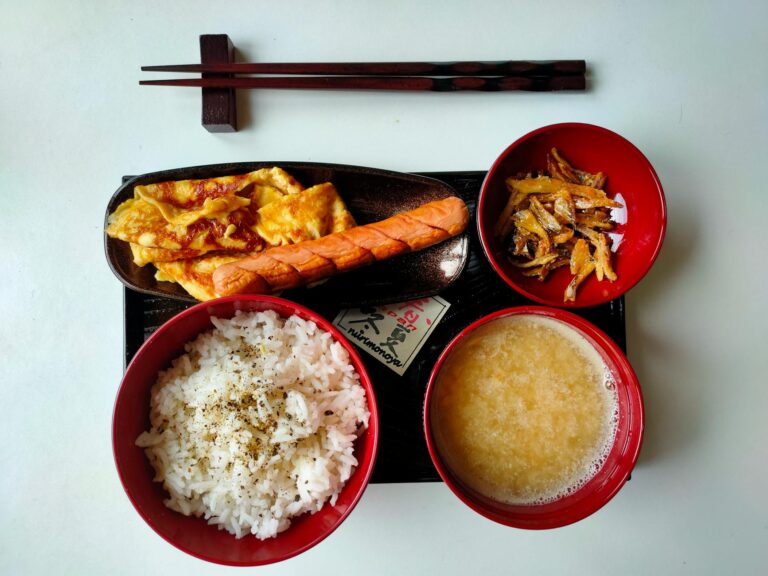
5. Gyeran Mari (계란말이) – Rolled omelets stuffed with veggies. Proof that eggs can be exciting.
6. Gochujeon (고추전) – Fried chili peppers that pack a punch. Not for the faint-hearted.
7. Yakitori-style Jjim (찜) – Steamed seafood in secret-recipe broths. Every vendor’s version tastes unique.
8. Mmandu (만두) – Golden fried dumplings with surprise fillings. Kimchi? Pork? Take your pick.
9. Nakji Bokkeum (낙지볶음) – Spicy stir-fried octopus. Watch the vendors flip it like acrobats.
10. Bungeoppang (붕어빵) – Fish-shaped pastries with sweet fillings. The red bean classic never gets old.
Street Food Survival Tips
Come hungry, but pace yourself. So much food, so little stomach space. Cash rules here—many stalls don’t take cards. Follow the lines. If locals queue, it’s probably amazing.
Don’t speak Korean? No problem. Point, smile, and be open to samples. Vendors love showing off their best stuff.
Hit the sweet spot between 6 PM and 11 PM. Too early and it’s dead. Too late and the good stuff’s gone.
Where to Find the Real Deal
Seoul’s Myeongdong, Busan’s Jagalchi Market, and Daegu’s Chilseong Market are the OGs. Overseas, check out Korean neighborhoods in LA, Melbourne, and London—the food’s just as legit, thanks to families keeping traditions alive.
Korean night markets aren’t just about feeding people. They’re where generations connect, where strangers become friends over shared plates. Every bite tells a story. All you have to do is show up and dig in.