Tokyo
Tokyo Bangkok
 Seoul
Seoul Singapore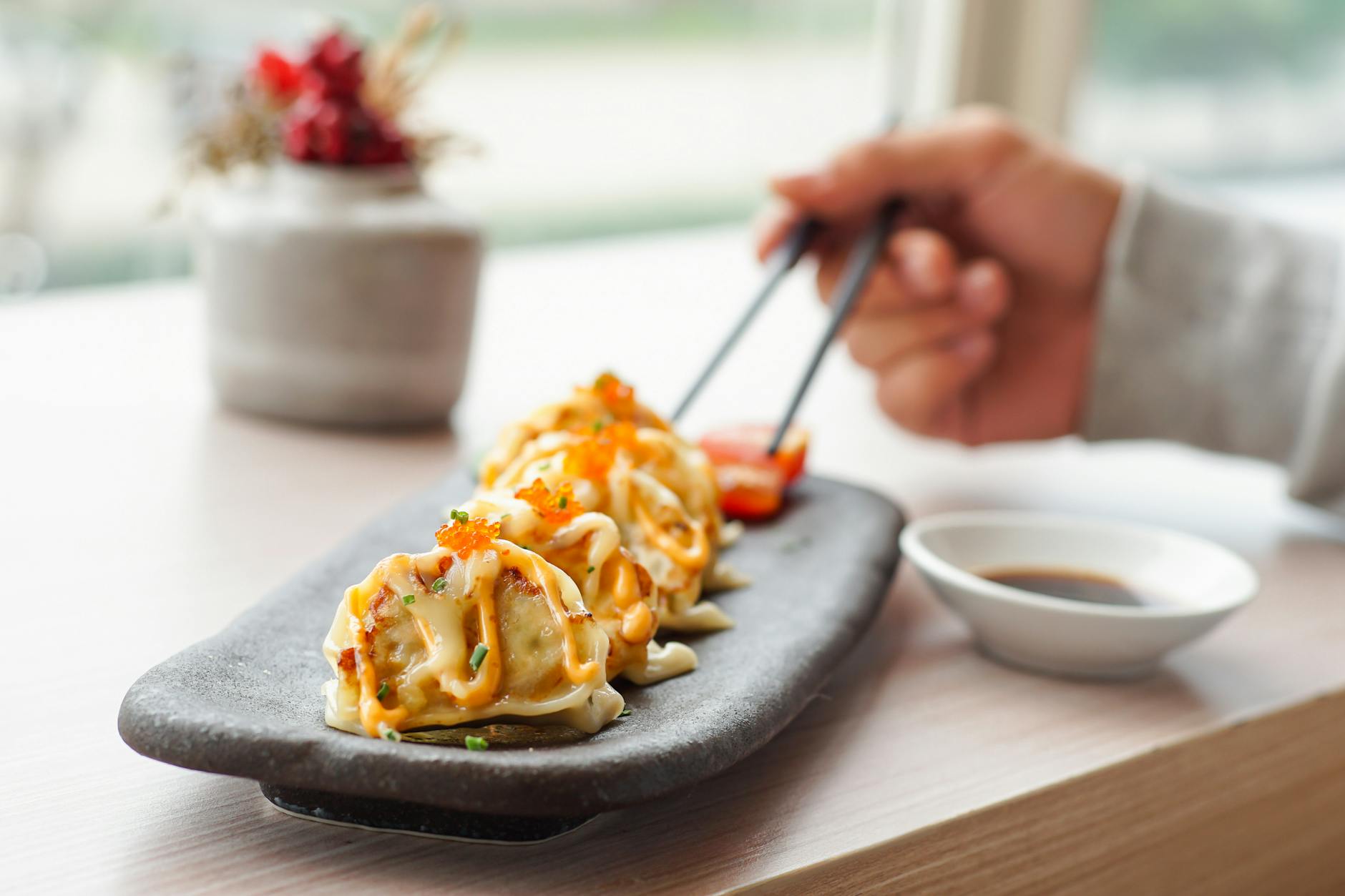
Best Asian Food in Sydney: Korean, Japanese, Thai & Vietnamese
Sydney’s Vietnamese food scene didn’t bloom because chefs wanted to experiment – it happened out of necessity. When Saigon fell in the 1970s, refugees brought their culinary traditions to Australia. Now those flavors define entire neighborhoods, offering some of the most authentic Asian food outside Asia itself. Craving Korean, Japanese, Thai or Vietnamese? Sydney’s got you covered.
Marrickville and Newtown: Where Vietnamese Food Defines the Neighborhood
Marrickville is Vietnamese food central. Illawarra Road packs in grocery stores, pho joints and banh mi spots at every turn. Everyone goes to Pho King, but the real move is Thanh Huong – their pho broth simmers with star anise, cinnamon and freshly toasted coriander seeds, a step most places skip. Want something different? Ba Ba serves killer bun cha with grilled pork that gets dunked in a fish sauce-lime bath. Newtown keeps it slightly more modern at spots like Cô Ba, where they make sausages in-house. These places cook for Vietnamese families first – that’s why the flavors hit different.
Strathfield and Burwood: Sydney’s Korean Restaurant Capital
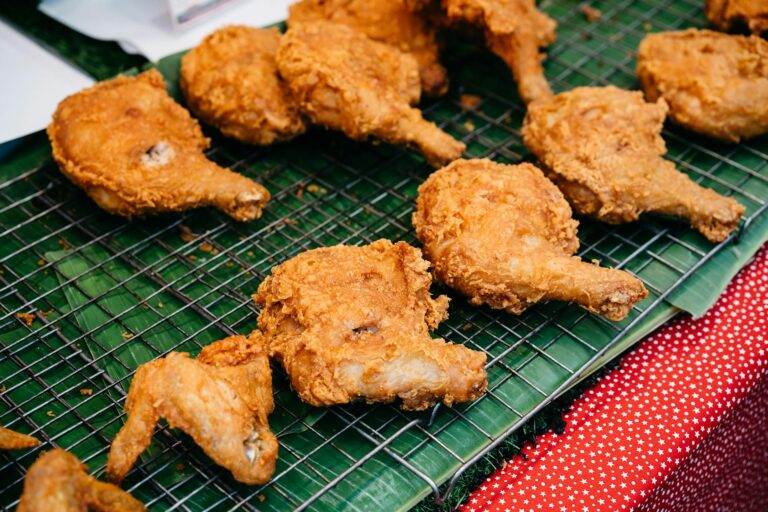
Strathfield and Burwood are where Korean food thrives. Korean supermarkets anchor these neighborhoods, supporting restaurants that have been around for decades. Madang on Forest Road does galbi jjim that falls off the bone – short ribs braised for hours with soy, ginger and pear until they’re barely recognizable. Kang San nails Korean fried chicken with their double-fry method: first at lower heat to cook through, then high heat for that perfect crunch. Over in Burwood’s Korea Town, Gogi serves bulgogi where the beef quality matters as much as the marinade. These spots use ingredients straight from Korea – even their fermented pastes taste completely different from what you find elsewhere.
Chatswood and Neutral Bay: Japanese Precision and Thai Complexity
Chatswood feels like a Tokyo transplant with its Japanese supermarkets and restaurants. Ramen Yokocho isn’t just one ramen shop – it’s a whole alley of stalls specializing in regional styles. Their tonkotsu broth simmers pork bones for 18 hours until it turns milky white. Sushi Hotaru flies in fish from Tsukiji and has a chef who trained for seven years before touching rice. Meanwhile, Neutral Bay does Thai right. Longrain’s larb uses hand-chopped meat for better texture, balancing lime, fish sauce and chili perfectly. Menam Thai makes green curry paste fresh daily with chilies, coriander root and galangal – no shortcuts.
Here’s the deal: skip the tourist spots downtown. These neighborhood joints cook for their communities first, and it shows in every bite. Bring cash (many still prefer it) and go early – the good stuff sells out fast, especially at lunch.