Tokyo
Tokyo Bangkok
 Seoul
Seoul Singapore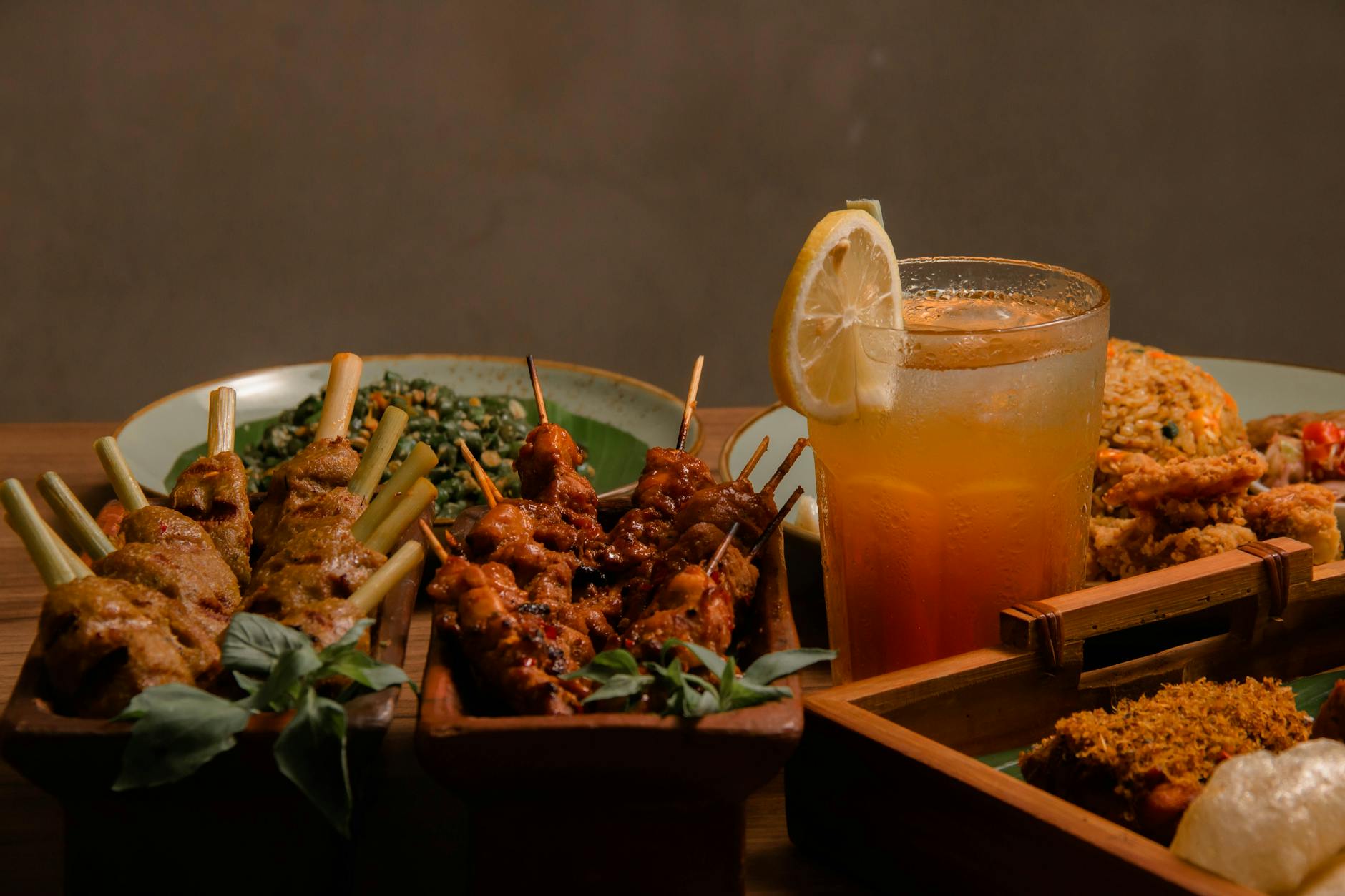
10 Indonesian Dishes to Try Before You Die
The scent of Pasar Benhil in Jakarta at dawn is unforgettable—coconut milk sizzling with chilies, fish paste aging in clay pots, fresh lemongrass crushed into paste. A vendor slides a banana leaf packet into your hands without a word. You know what’s inside. Indonesia’s 17,000 islands didn’t create one cuisine but dozens. What ties them together? Coconut, chili, and techniques passed through generations who never wrote anything down. These dishes tell stories better than any guidebook. Here are ten worth seeking out.
The Spiced Meats and Pastes That Define West Indonesia
Rendang from West Sumatra is more than food—it’s tradition. Ibu Siti in Padang spent hours simmering beef with coconut milk, galangal, garlic, and chilies until the sauce clung tight. This isn’t fast food. The flavors need time to build. Proper rendang isn’t saucy—it’s nearly dry, edges caramelized. Soto Ayam, that golden chicken soup, changes from stall to stall. Some get color just from turmeric, others add candlenuts for richness. The good ones come with a boiled egg and crispy shallots that crackle in the broth. Bali’s Sambal Matah flipped my idea of chili relish. No cooking—just raw shallots, garlic, chilies, and lime pounded together. It bites back.
The Fermented Fish That Tastes Better Than It Smells
Palembang’s pempek separates tourists from locals. Fish and tapioca cakes, boiled then fried, dunked in that dark, funky cuko sauce. Fermented fish paste, brown sugar, and chilies make it sweet, savory, confusing at first bite. By the second, you’ll get why people eat it constantly. Terasi shrimp paste smells like a fishing dock at noon. But roasted over coals and mixed with lime and chilies? Magic. A Yogyakarta version tossed in one candlenut made all the difference. Texture matters as much as taste here.
The Regional Dishes That Prove the Archipelago Isn’t Monolithic
Gado-gado isn’t one dish. Jakarta’s version is light, almost salad-like. Bandung piles on more sauce and fried tofu. The peanut sauce base—roasted nuts with garlic, chilies, palm sugar, tamarind—has to balance just right. Madura’s satay sauce beats Java’s with extra richness from peanuts and sesame. Nasi Kuning, that yellow celebration rice, shifts from island to island—some add bay leaf, others cinnamon. Lumpia spring rolls range from crisp to nearly see-through depending where you are. These differences aren’t accidents. They’re proof Indonesia’s food can’t be pinned down.
Eating across Indonesia teaches one thing: there’s no single perfect dish. There are hundreds, each shaped by local soil, water, and history. Come hungry. Come curious. The best meals won’t be quick—and that’s the point.