Tokyo
Tokyo Bangkok
 Seoul
Seoul Singapore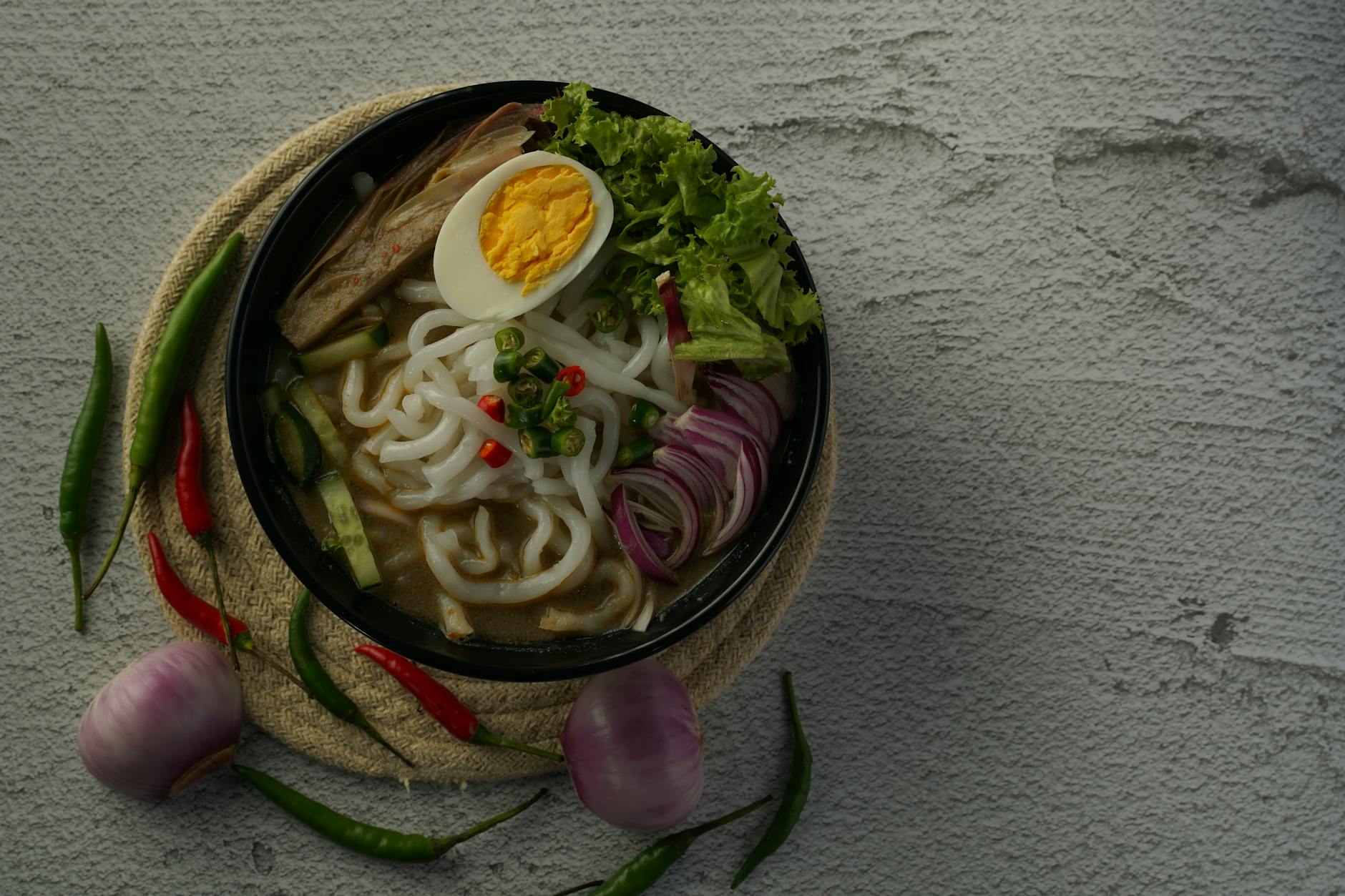
Asam Laksa: Why Malaysia’s Best Dish Costs $2
If you’ve tried asam laksa and walked away thinking it’s just sour fish soup, you didn’t have the real thing. What you had was a mistake. The authentic version—served in Penang’s alleys and from carts that haven’t moved in decades—is one of Southeast Asia’s most complex dishes. And it costs less than a cup of coffee.
Asam Laksa Is More Than Soup
To be clear: asam laksa is a Penang noodle dish from Malaysia’s northwest coast. It’s built on tamarind broth, fresh mackerel, and a precise balance of heat, acid, and umami that takes years to master. The broth is everything. It begins with dried chilies, shallots, garlic, galangal, and lemongrass pounded into a paste, then simmered with tamarind pulp, fish stock, and whole mackerel until the fish disintegrates and flavors everything. A bad version tastes like watered-down tamarind. A great one tastes like the ocean transformed into a meal.
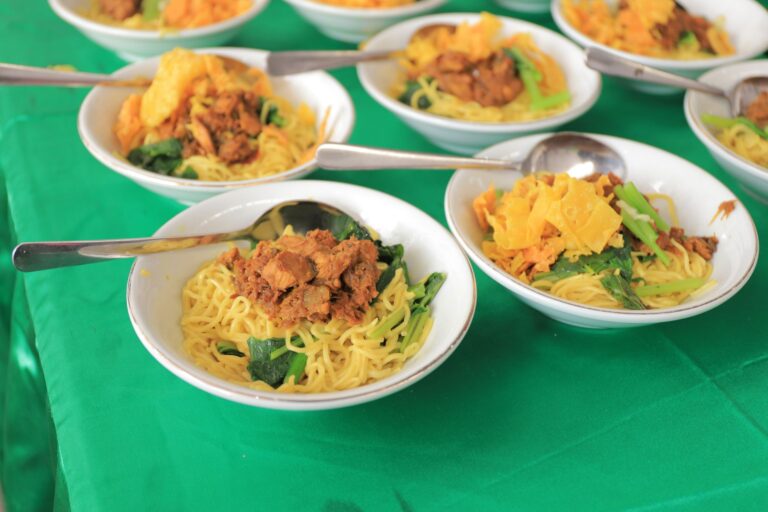
Underneath are thick, yellow, fresh noodles. On top: shredded mackerel, sliced cucumber, pineapple chunks, mint, and a dollop of sambal belacan (shrimp paste chili) you mix in yourself. This isn’t garnish. Every piece has a purpose. Pineapple cuts the richness. Cucumber adds crunch. The sambal brings a funky, fermented edge that ties it all together. Skip anything, and you’re missing the full experience.
Georgetown and Butterworth: Home of the Best Bowls
Georgetown, Penang’s UNESCO-listed old town, is asam laksa territory. Specifically, Jalan Penang market in the heart of the city. Stalls here have likely been serving it longer than you’ve been alive. No English names. You point. You get a bowl. It’ll cost 6-8 Malaysian ringgit—about $1.30 to $1.75 USD.
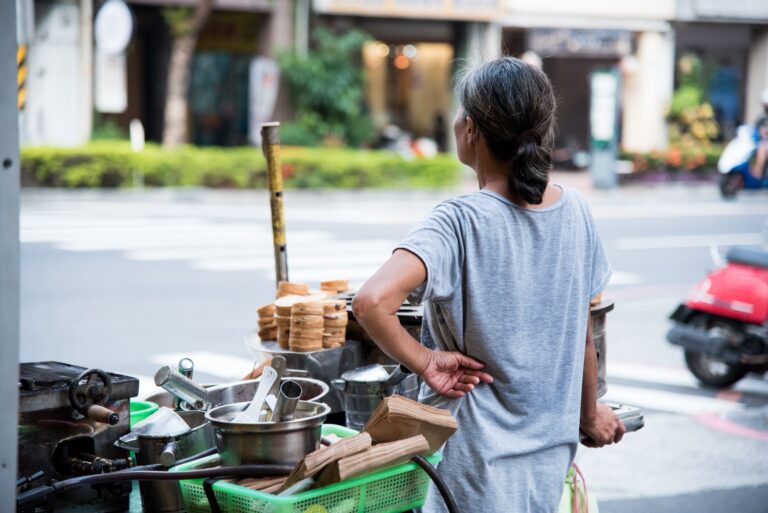
If you need a name to search: ask locals for Asam Laksa Penang at Penang Road market, or find the stall that’s been there the longest (seriously, that’s the best indicator). The person making it will move like a surgeon—broth ladled, noodles in place, toppings arranged. You’ll get a squeeze of lime, a warning it’s hot, and you’ll eat it standing up in five minutes flat.
Butterworth, across the strait on the mainland, offers equally good versions for less. Stalls cluster near the ferry terminal. Same quality. Same authenticity. Fewer tourists fussing over photo ops.
The Reality of Authenticity and Tourism
Here’s the truth travel guides won’t mention: the “best” asam laksa spots in Penang are often the ones that’ve figured out how to make it look good and explain it in English. The real best bowls are found where you might be the only foreigner, where the owner doesn’t smile, and where you eat standing because there’s no seating. This isn’t gatekeeping. It’s just how it is. Once a stall goes viral on Instagram, the focus shifts from “make it perfect” to “make it photogenic.”
The real trick: asam laksa is a breakfast and lunch dish. Eat it before 2 p.m. Eat it hungry. Eat it from a cart, not a restaurant. The best ones close by early afternoon—either they sell out or the owner heads home. No dinner service. No reservations. You show up or you miss out.
What You Need to Do
Fly to Penang. Hit Jalan Penang market between 7 a.m. and noon. Find an asam laksa stall with locals lined up. Order one bowl. Eat it. Don’t overthink it. Don’t ask for changes. The dish is complete. You’re just there to enjoy it.