Tokyo
Tokyo Bangkok
 Seoul
Seoul Singapore
10 Asian Food Trends That Went Mainstream and Stayed
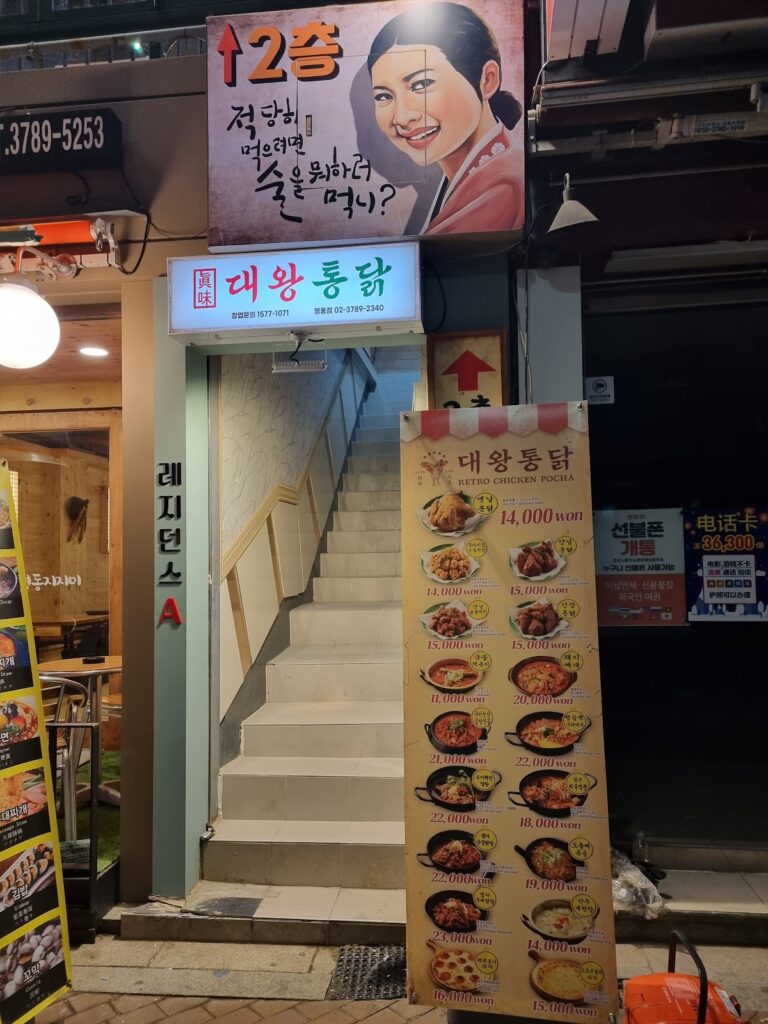
In Seoul, stopping at a pojangmacha for fried chicken and beer isn’t some trend—it’s just Friday night. In Taiwan, bubble tea isn’t a fad. It’s as normal as grabbing coffee between meetings. These foods didn’t stick because they looked good on Instagram. They lasted because they work: cheap, delicious, and built for real life.
What separates a flash-in-the-pan trend from something permanent? Accessibility and repeatability. Korean fried chicken blew up globally around 2015 not because of some viral post, but because it’s objectively better than most fast-food chicken—double-fried for that perfect crunch. Same with ramen. People didn’t adopt tonkotsu broth because it was cool. They did it because a proper bowl beats instant noodles every time.
Bubble Tea: From Taiwanese Corner Shops to Everywhere
In Taipei, bubble tea isn’t an event. It’s what you drink on the subway, during meetings, after school. Created in the 1980s, it was just sweet tea with chewy pearls—nothing fancy. The global appeal wasn’t novelty. It was control. Adjust the sweetness, ice, toppings. No complicated coffee orders. Just exactly what you want.
Chains like Gong Cha and CoCo took it worldwide around 2010-2015 by keeping that flexibility. The logistics helped too. All you need is a blender and some counter space. That’s why shops popped up everywhere—not just in Asian districts. By 2023, bubble tea was a $3 billion global industry. But in Taipei? It’s still just bubble tea.
Korean Fried Chicken: The Casual Formula That Won
In Seoul, chimaek (chicken + beer) is what you eat when you’re hungry at midnight or bored on a Tuesday. No ceremony. Just crispy chicken and cold beer. When it went global, some restaurants tried to fancy it up. Big mistake. Chains like Bonchon succeeded by keeping it simple: great chicken, fair prices, zero pretension.
The magic’s in the method. Double-fried at different temps so the skin stays crackly even when cold. Perfect for eating with your hands while drinking. It’s also social food—meant for sharing with friends. That’s why it works abroad. By 2024, Korean fried chicken shops thrive in every major city because they deliver what people actually want: good food, no fuss.
Ramen: Fast Food That Won’t Cut Corners
In Japan, ramen is quick, cheap, and everywhere. Each shop has its own broth—tonkotsu, shoyu, miso. You slurp it fast at the counter and leave. Functional, but incredible. Ramen took longer to go global (around 2012-2015) because you can’t fake it. Good broth takes 12-24 hours. That high bar kept quality up as it spread.
Ramen stuck because once people tried the real thing, they craved it again. Not a one-time novelty—a habit. Today, ramen shops in London or New York have lines not for hype, but because they’re legit better than the alternatives. No gimmicks needed.
Bubble tea, Korean fried chicken, ramen—they prove what lasts. Foods you’d eat any day, easy to find, with no bullshit. Want to spot the next real deal? Skip the TikTok trends. Watch what people eat on regular weeknights.