Tokyo
Tokyo Bangkok
 Seoul
Seoul Singapore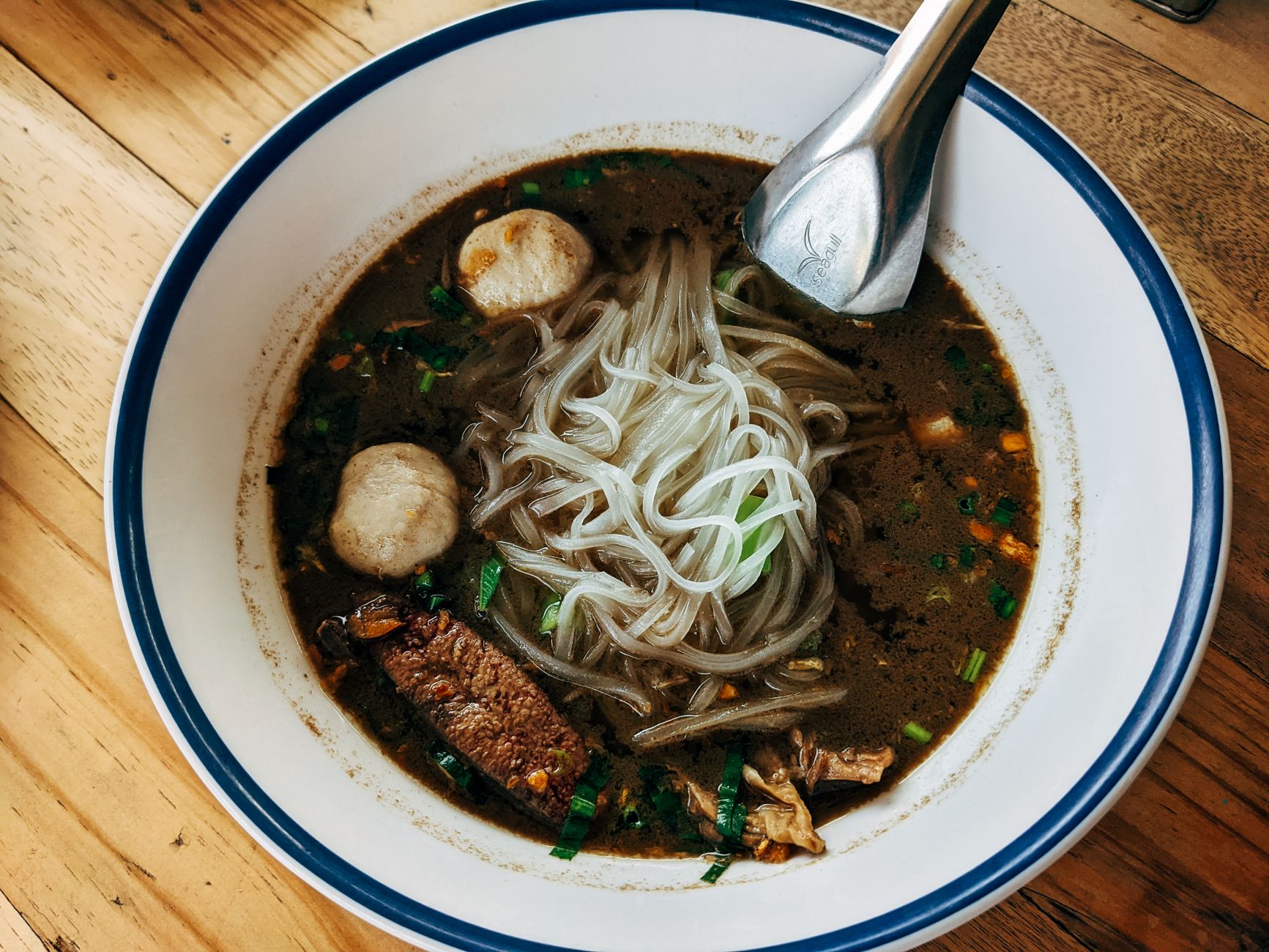
Laksa vs Ramen: Which Noodle Soup Actually Wins
Ramen and laksa aren’t rivals. They’re polar opposites in bowl form—comparing them is like weighing a haiku against an epic. One pares back; the other goes all in. Once you get that, the question shifts from “which is better” to “which do I crave right now?”
Tonkotsu Ramen: Less Is More
Real tonkotsu broth demands 18 to 24 hours. Pork bones—femurs, knuckles, spines—simmer until they surrender their collagen, transforming the liquid into something velvety. The best broths taste deceptively simple: just pork, salt, maybe a hint of garlic. That’s the magic. Noodles, chashu, eggs, nori—each gets its spotlight because the broth doesn’t hog the stage.
Bad tonkotsu? You’ll know. Thin, greasy, flat. Japanese ramen rewards obsession with precision. The goal isn’t adding—it’s stripping away until only the essentials remain.
Laksa’s Mantra: Go Big or Go Home
Penang laksa (and its regional cousins) flips the script. Coconut milk anchors the broth, but that’s just the opening act. Tamarind, chilies, galangal, shrimp paste—they all crash the party. The result? A thick, punchy broth that doesn’t do subtle. It wants to own your taste buds.
Laksa isn’t about restraint. It’s a full-throttle experience. Noodles drown in that curry-coconut tsunami, topped with eggs, fish cakes, tofu, and a lime squeeze that pulls it all together. No empty spaces. No time to ponder. Just eat.
Where to Eat Them (And Why Place Matters)
In London, hit Bone Daddies in Soho for tonkotsu. Their broth gets it—clean, deep, clearly labored over. Get the original and taste what a day of simmering achieves.
For laksa, Laksa House in Whitechapel delivers. No frills, no dilution. Just broth with backbone.
New York’s Ippudo serves dependable tonkotsu—not life-changing, but solid. Laksa? Skip fusion joints. Penang in San Francisco’s Chinatown nails it, likely because grandma’s running the kitchen.
Melbourne’s Goro does ramen right. For laksa, head to suburban Malaysian spots—Footscray or Punchbowl. The best bowls cost $8-$12 AUD and come from no-frills places with plastic chairs. That’s not a downside—it’s the whole appeal.
The Unspoken Truth: Ramen’s PR Game Is Stronger
Let’s be real: ramen got the global makeover. Chains everywhere. Documentaries. Instagram hype. Laksa? Still mostly confined to Malaysia, Singapore, and diaspora communities who respect it too much to water it down.
Result? Outside Japan, ramen often gets dumbed down. Laksa usually stays truer to its roots because nobody’s tried to “elevate” it yet. That doesn’t make laksa superior—just harder to mess up when you find it.
The Takeaway: Pick Your Mood
Ramen is for contemplation. Laksa is for indulgence. One celebrates precision; the other, abundance. Both are perfect—just for different moments.
Try a serious tonkotsu first. Then hunt down a proper laksa. Space them out. You’ll stop comparing them by the second bite.